
Below is the complete list of Anne Rice’s The Vampire Chronicles books in order. For this series, the chronological reading order is the same as the order of publication.
Publication Order of The Vampire Chronicles Books




About The Vampire Chronicles
Anne Rice’s The Vampire Chronicles is one of the defining vampire sagas in modern fiction, transforming the vampire from an external monster into a narrator, philosopher, lover, predator, witness, and spiritual exile. The series began with Interview with the Vampire in 1976 and ultimately extended through Blood Communion, published in 2018. Across the sequence, Rice created a mythology that is gothic, historical, erotic, theological, and psychologically intimate, with Lestat de Lioncourt gradually becoming the flamboyant center of the world he first entered as a dangerous figure in someone else’s confession.
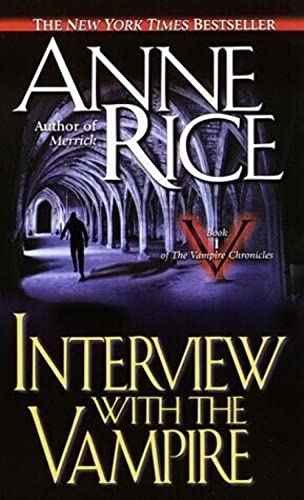
The opening novel is narrated through Louis de Pointe du Lac, whose account of immortality is shaped by guilt, grief, dependency, and moral revulsion. His relationship with Lestat and the child vampire Claudia gives the book its tragic force. Rice’s choice to let a vampire speak at length about conscience, loneliness, beauty, and horror was crucial to the series’ originality. The monster was no longer merely hunted or feared from the outside; he was explaining himself, questioning himself, and asking whether damnation could still contain tenderness.
The Vampire Lestat changes the series by giving Lestat his own voice. The shift is essential because it revises the reader’s understanding of him. Seen through Louis, Lestat appears manipulative and cruel; speaking for himself, he becomes theatrical, wounded, ambitious, defiant, and hungry for revelation. The Queen of the Damned then expands the story into full mythology, connecting modern vampires to Akasha and Enkil, ancient origins, psychic powers, and a worldwide community of immortals. Those first three books form the strongest foundation for the series because they establish confession, self-mythology, and supernatural history.
Later volumes move through different shapes and preoccupations. The Tale of the Body Thief tests Lestat’s desire to experience mortality again, while Memnoch the Devil pushes him into direct confrontation with religious and metaphysical questions. Books such as The Vampire Armand, Merrick, Blood and Gold, and Pandora deepen the histories of other immortals, giving the series the feeling of a vast family archive. Rice often treats vampires as beings made out of memory: every character carries centuries of beauty, violence, regret, love, and self-invention.
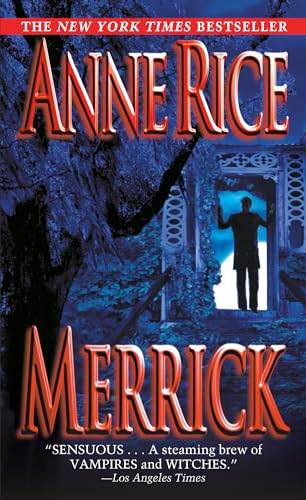
The structure can become confusing because the Vampire Chronicles eventually overlaps with other parts of Rice’s supernatural universe. The Mayfair Witches material enters the vampire world most clearly in novels such as Merrick, Blackwood Farm, and Blood Canticle. These books draw on the Lives of the Mayfair Witches trilogy, but they are also part of the later Vampire Chronicles continuity. The Talamasca, the secretive order of supernatural observers, provides another connective thread across Rice’s vampire and witch fiction.
After a long gap, Rice returned to the vampires with Prince Lestat, beginning a late trilogy that re-centers Lestat as a leader figure among the undead. Prince Lestat and the Realms of Atlantis takes the mythology in a more unusual cosmic direction, while Blood Communion brings the later phase to a more courtly and consolidated vision of vampire community. These final books differ in tone from the early confessional novels, but they continue Rice’s fascination with immortals searching for structure, belonging, and meaning.
The Vampire Chronicles is best understood as an evolving gothic universe rather than a simple sequence of horror novels. It begins in personal confession, expands into ancient mythology, branches into other vampire histories, crosses into witchcraft and occult scholarship, and finally returns to Lestat as the series’ enduring magnetic force. Its lasting power lies in Rice’s refusal to make immortality simple. To live forever in these books is to accumulate desire, guilt, art, faith, cruelty, and longing until the soul itself becomes the true haunted house.