
Below is the complete list of Elizabeth Peters’ Vicky Bliss books in order. For this series, the chronological reading order is the same as the order of publication.
Publication Order of Vicky Bliss Books





About Vicky Bliss
Elizabeth Peters’s Vicky Bliss series combines art history, international mystery, romantic suspense, and sophisticated comedy through the adventures of an American scholar working in Europe. Vicky is an expert in medieval art employed at Munich’s National Museum, where apparently academic questions repeatedly lead her toward stolen antiquities, forged treasures, hidden collections, and criminals willing to kill for objects whose cultural value exceeds any ordinary price.
Vicky is tall, intelligent, physically confident, and unwilling to make herself less formidable for the comfort of the men around her. She enters investigations through professional curiosity rather than police authority, relying on historical research, visual analysis, language skills, and an instinct for recognizing when an artwork’s accepted history does not withstand scrutiny. Her knowledge is never merely decorative. Attribution, provenance, restoration, architecture, and the movement of antiquities across borders frequently determine how she understands the crime.
Borrower of the Night introduces Vicky during a search for a missing masterpiece associated with German sculptor Tilman Riemenschneider. The investigation takes her into an old castle filled with family rivalries, suspicious accidents, romantic complications, and legends surrounding a long-dead woman. The novel establishes Vicky as an independent heroine who can navigate both scholarly disputes and physical danger, although the broader identity of the series becomes clearer once she begins working in Munich.
Her employer, Anton Z. Schmidt, develops into one of the series’ most memorable recurring figures. Schmidt appears cheerful, indulgent, and easily distracted by food, drink, romance, and theatrical adventure. Beneath that exuberance, however, he is an experienced museum director with considerable intelligence and unexpected resources. His enthusiasm for Vicky’s investigations often becomes inconvenient, but his loyalty and professional judgment make him far more than comic relief.
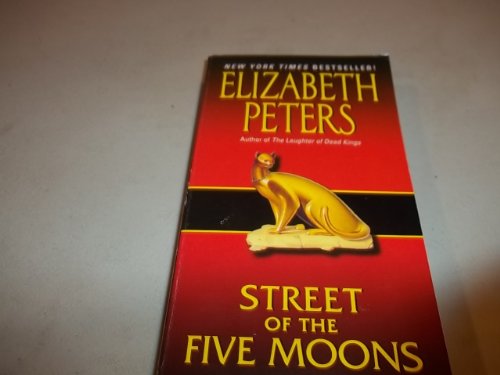
The most important continuing relationship begins in Street of the Five Moons, when Vicky encounters the elusive criminal who calls himself Sir John Smythe. John is an art thief, confidence man, master of disguise, and expert manipulator whose intelligence rivals her own. Their connection develops through attraction, suspicion, professional opposition, and the uncomfortable realization that each understands the other unusually well. Vicky cannot dismiss his criminal life, while John’s habit of withholding his real identity and motives makes conventional trust nearly impossible.
Later novels send them through European castles, Scandinavian landscapes, Munich art circles, archaeological intrigue, and Egypt. Their romance does not progress separately from the mysteries. Every reunion raises questions about whether John is protecting Vicky, using her, or pursuing an agenda he has concealed. Vicky, meanwhile, refuses to become a passive partner waiting for explanations. Their relationship works because it remains a contest between two highly capable people rather than transforming John into a respectable hero or Vicky into someone willing to overlook deception.
Night Train to Memphis is a particularly important stage in their story, combining an Egyptian cruise, antiquities crime, concealed identities, and uncertainty over John’s loyalties. The Laughter of Dead Kings, published after a long gap, returns Vicky to Egypt for a case involving the theft of one of archaeology’s most famous royal remains. The final novel also creates playful connections with families and histories appearing elsewhere in Peters’s fiction.
The books are most rewarding in publication order because Vicky’s relationship with John, her friendship with Schmidt, and revelations about John’s background develop gradually. Individual mysteries remain largely self-contained, but the emotional history does not reset. Across the series, Peters treats scholarship as an adventurous profession, art as evidence, and romantic attraction as another mystery whose truth must be tested rather than merely believed.