
Below is the complete list of J.K. Rowling’s Pocket Potters books in order. For this series, the chronological reading order is the same as the order of publication.
Publication Order of Pocket Potters Books


About Pocket Potters
J.K. Rowling’s Pocket Potters series is a collectible companion line to the Harry Potter books, created as a set of short, illustrated character guides rather than a new narrative sequence. These books do not continue Harry’s story after Harry Potter and the Deathly Hallows, and they do not replace the original novels. Instead, they introduce key characters from the wizarding world in a compact, highly visual format designed for younger readers, family reading, and longtime fans who enjoy character-focused reference books.
The series launched with guides to Harry Potter, Ron Weasley, and Hermione Granger, the three central friends at the heart of the original novels. That opening trio makes sense because the emotional structure of the Harry Potter series depends so heavily on their friendship. Harry brings the mystery of the orphaned boy who discovers he is a wizard; Ron brings warmth, loyalty, humor, and a window into everyday wizarding family life; Hermione brings intelligence, discipline, courage, and one of the series’ clearest examples of growth through learning and moral conviction.
Unlike the main novels, the Pocket Potters books are not built around plot progression. Each volume gathers details, moments, traits, relationships, and magical-world context around a single character. That makes the series especially approachable for children who may be new to the Harry Potter world or not yet ready to move through seven long novels. The books can act as entry points, helping readers understand who the characters are, where they fit, and why they matter before or alongside the full series.
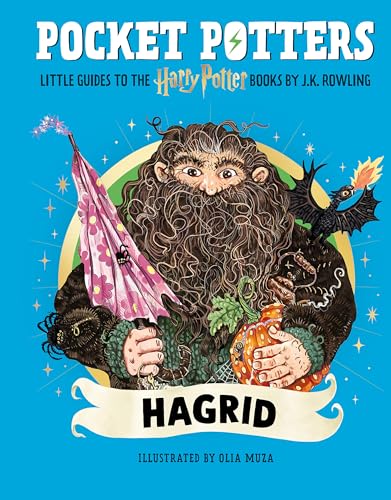
The later Pocket Potters titles expand beyond the central trio with characters such as Professor Dumbledore, Luna Lovegood, Hagrid, and Dobby. These choices show that the line is not limited to the most obvious leads. Dumbledore represents wisdom, mystery, leadership, and the complicated burden of knowing more than he reveals. Luna brings eccentricity, kindness, and the courage to remain herself even when others find her strange. Hagrid embodies loyalty, tenderness, and the series’ affection for misunderstood creatures, while Dobby’s story carries themes of freedom, devotion, and moral bravery.
The books are also notable for their illustrated presentation. The Pocket Potters line is designed to be bright, collectible, and easy to browse, with artwork helping younger readers connect names, places, objects, and moments from the larger story. That visual approach fits the purpose of the series: these are guides to characters and their world, not dense encyclopedic reference books. They invite readers to dip in, revisit favorite details, and build familiarity with the wizarding world through shorter, character-led volumes.
Pocket Potters is best understood as a companion series for the Harry Potter universe. Its value lies in accessibility and character focus. A child can read about Harry, Ron, Hermione, or Luna without needing to follow every twist of the main saga at once, while an older fan can enjoy the books as small keepsake guides. The series celebrates the characters who give Rowling’s world its emotional life, turning familiar names into approachable little portraits of courage, friendship, oddness, loyalty, and magic.