
Below is the complete list of J.K. Rowling books in order. For this series, the chronological reading order is the same as the order of publication.
Publication Order of Harry Potter Books


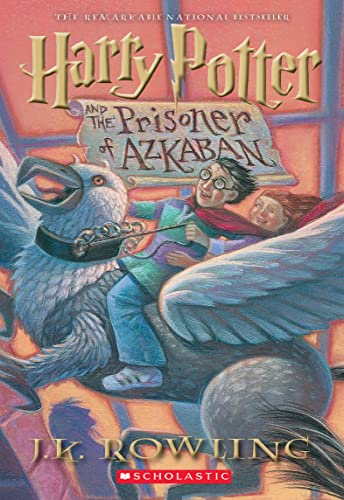


Publication Order of Harry Potter Companion Books


Publication Order of Harry Potter Short Stories/Novellas Books

Publication Order of Harry Potter Picture Books

Publication Order of Harry Potter Illustrated Editions Books
with Jim Kay


Publication Order of Fantastic Beasts The Original Screenplay Books
with Steve Kloves


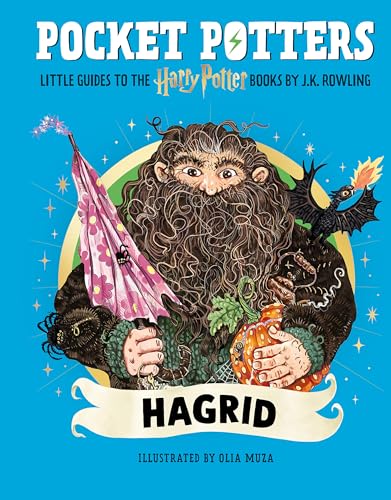
Publication Order of Pocket Potters Books


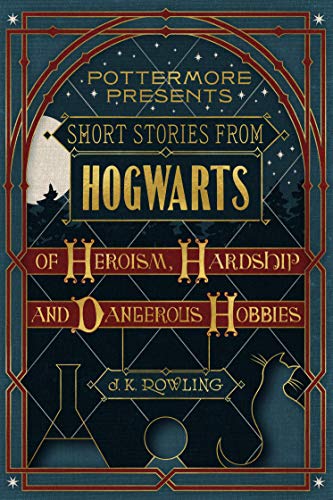
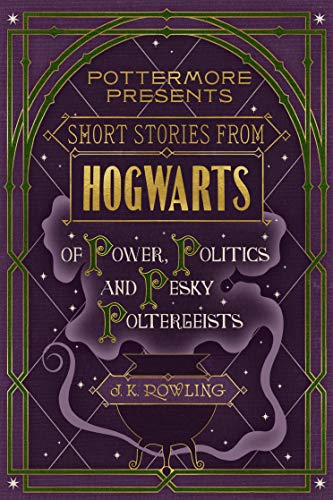
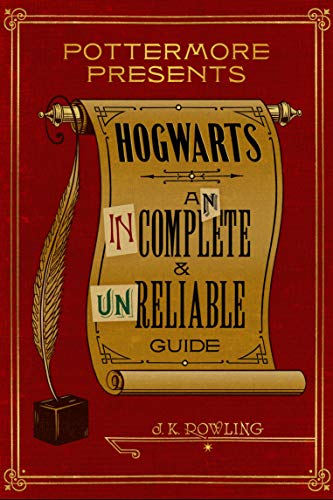
Publication Order of Pottermore Presents Books
Publication Order of Cormoran Strike Books
as Robert Galbraith


- The Hallmarked Man (2025)
The Hallmarked Man is a 2025 release and appears as book #8 in the Cormoran Strike series.
Publication Order of Standalone Novels Books


Publication Order of Short Story Collections Books
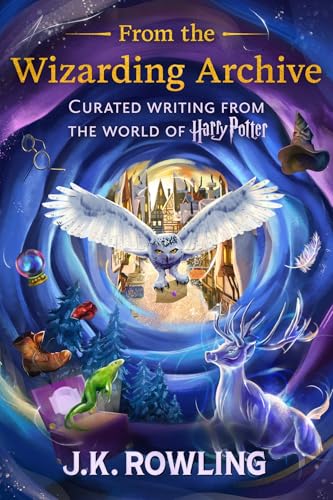
Publication Order of Non-Fiction Books

About J. K. Rowling
J.K. Rowling is a British novelist best known for creating the Harry Potter series, a seven-book fantasy saga published between 1997 and 2007. Her official site describes those novels as the work that established her career, and they remain the center of her literary reputation. Over time, her bibliography expanded beyond the original wizarding world into companion volumes, screenwriting connected to the wider magical universe, and crime fiction published under the name Robert Galbraith.
She was born Joanne Rowling on July 31, 1965, in Yate, near Bristol, England. From an early age, reading and storytelling were central to her life, and that imaginative foundation clearly fed into the scale and confidence of her later fiction. She went on to study at the University of Exeter, where she read French and Classics, before working a range of jobs in the years before publication.
One of the most repeated turning points in her life is also one of the most important: the idea for Harry Potter came to her during a train journey in the early 1990s. On her own site, Rowling recalls the long process that followed, including the struggle to find a publisher. After multiple rejections, Harry Potter and the Philosopher’s Stone was finally published by Bloomsbury in June 1997 under the name J.K. Rowling, with the “K” added at her publisher’s request.
That first novel became the beginning of something much larger than a successful debut. Reading Rowling’s books in publication order makes especially good sense because the Harry Potter series was built as a cumulative story: each book broadens the world, darkens the stakes, and deepens the emotional lives of Harry, Hermione, Ron, and the people around them. The early books are more contained and school-centered, while the later novels become increasingly political, tragic, and morally complex. That progression is one of the reasons the series has remained so powerful for readers across generations.
After the main series ended, Rowling did not simply leave fiction behind. She added to the wizarding world with companion works and later moved into new territory. Under the pseudonym Robert Galbraith, she launched the Cormoran Strike crime novels, which gave her room to work in a very different register: contemporary, investigative, adult, and grounded in realism rather than fantasy. That shift matters in any overview of her books because it shows she is not only the author of one famous magical series, but a writer with multiple long-form fictional identities.
Her career has also included screenwriting and production work connected to her fictional worlds. At the same time, philanthropy has remained a major part of her public life. On her official site, Rowling identifies herself as Founder and President of Lumos, an international children’s charity focused on helping children grow up in families rather than institutions. That work has become one of the clearest non-literary extensions of her public identity.
What gives Rowling’s career its lasting shape is not only commercial success, but the way her work scales from intimate emotion to imaginative world-building. The Harry Potter novels begin with a lonely child discovering another life and grow into a story about power, death, loyalty, prejudice, and moral choice. Her later writing, whether in fantasy-adjacent projects or crime fiction, keeps that same interest in character under pressure. Seen in order, her books trace the path of a writer who began with one unforgettable fictional world and then proved she could keep building beyond it.