
Below is the complete list of Benjamin Black books in order. For each series, the chronological reading order is the same as the order of publication.
Publication Order of Philip Marlowe Books




Publication Order of Quirke Books
as Benjamin Black


Publication Order of The Revolutions Trilogy Books


Publication Order of The Cleave Trilogy Books


Publication Order of Frames: The Freddie Montgomery Trilogy Books


Publication Order of St. John Strafford Books
as Benjamin Black


Publication Order of Standalone Books







Publication Order of Short Stories/Novellas Books

Publication Order of Short Story Collections Books


Publication Order of Poetry Collections Books

Publication Order of Plays Books

Publication Order of Non-Fiction Books


Publication Order of Writer and the City Books

Publication Order of Benjamin Black Poetry Collections Books
as Benjamin Black
About Benjamin Black
Benjamin Black is the crime-writing pseudonym of acclaimed Irish novelist John Banville, created as a distinct outlet for detective fiction, noir, and historical suspense. Under the Black name, Banville is best known for the Quirke mysteries, a series set largely in 1950s Dublin and centered on a troubled pathologist whose examinations of suspicious deaths expose secrets protected by wealthy families, the Catholic Church, politicians, and other powerful institutions. Black also ventured beyond Quirke with standalone thrillers, historical crime, and an authorized continuation of Raymond Chandler’s Philip Marlowe.
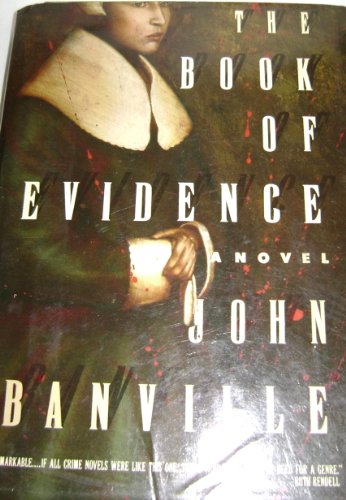
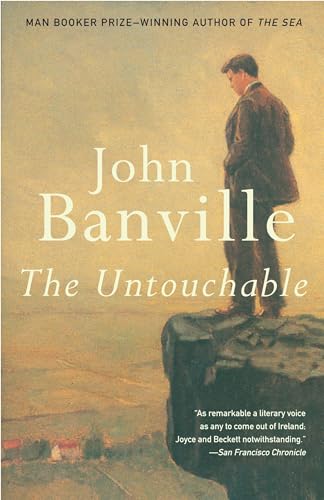
Banville was born in Wexford, Ireland, in 1945 and had already established an international literary reputation long before Benjamin Black appeared. His novels under his own name include The Book of Evidence, The Untouchable, Eclipse, and The Sea, which won the 2005 Booker Prize. His literary fiction became associated with meticulously shaped prose, unreliable memory, identity, guilt, and psychologically complicated narrators.
The Benjamin Black identity emerged from Banville’s desire to approach writing differently. Rather than subjecting every sentence to the intense revision associated with his literary novels, he allowed the crime stories to move more rapidly through plot, dialogue, atmosphere, and character. The distinction was never a secret—publishers openly identified Benjamin Black as John Banville—but it gave him a useful separation between two methods of working.
Christine Falls, published in 2006, introduced Quirke. The Dublin pathologist becomes suspicious when he catches his brother-in-law altering the records of a young woman who died in childbirth. His investigation opens a hidden world of illegal adoptions, religious influence, family deception, and transatlantic connections. The atmosphere of postwar Dublin proved ideal for Black’s crime fiction: smoky pubs, hospitals, grand houses, social hierarchies, and an institutional culture in which protecting reputations can matter more than revealing the truth.
Quirke continued through The Silver Swan, Elegy for April, A Death in Summer, Vengeance, Holy Orders, and Even the Dead. Inspector Hackett becomes an important investigative partner, while Quirke’s daughter Phoebe and the complicated Griffin family history provide continuity beyond the individual mysteries. The novels were adapted for the BBC television series Quirke, starring Gabriel Byrne.
Black also wrote The Lemur, a compact contemporary thriller involving an Irish journalist, a wealthy New York family, and a dangerously intrusive biographical investigation. Prague Nights moves much further into the past, constructing a murder mystery amid the court of Holy Roman Emperor Rudolf II in sixteenth-century Prague.
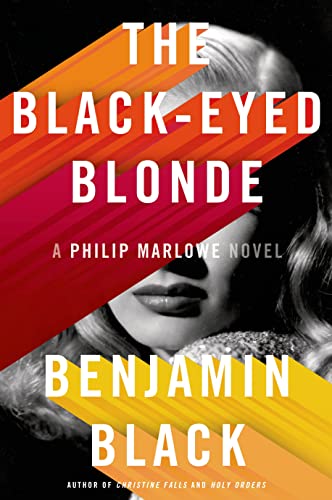
One of Black’s most distinctive assignments was The Black-Eyed Blonde, an authorized Philip Marlowe novel. Rather than creating a Chandler-like detective, Banville entered Raymond Chandler’s established world directly, placing Marlowe in another Los Angeles case involving wealth, disappearance, attraction, and deception.
Banville eventually began publishing crime fiction under his own name. The later Strafford novels and new Quirke stories therefore belong to the same broader creative territory without carrying Benjamin Black on their covers. The Secret Guests also appeared under the variation B. W. Black in some editions.
Benjamin Black was never a separate authorial identity in the conventional sense. Instead, the name marked a period when Banville deliberately loosened his style and embraced the machinery of crime fiction. The result was not merely a side project but a substantial second body of work, particularly through Quirke, that allowed one of Ireland’s most literary novelists to explore murder, secrecy, and institutional corruption with the pace and atmosphere of classic noir.