
Below is the complete list of Sue Grafton’s Kinsey Millhone books in order. For this series, the chronological reading order is the same as the order of publication.
Publication Order of Kinsey Millhone Books


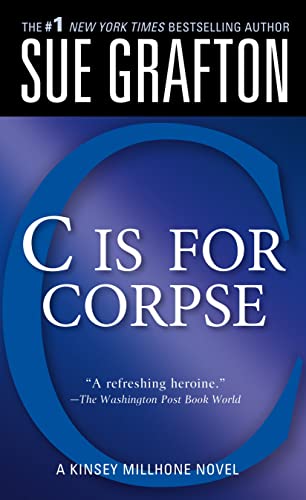




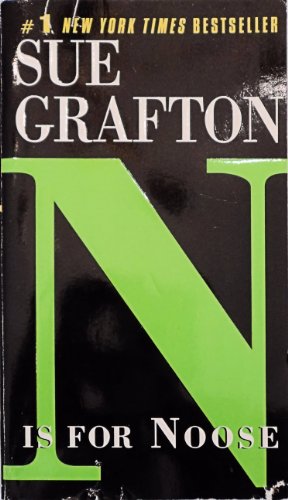


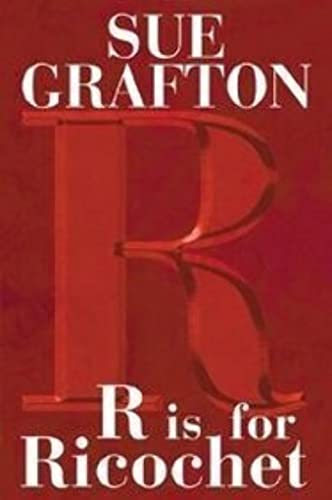
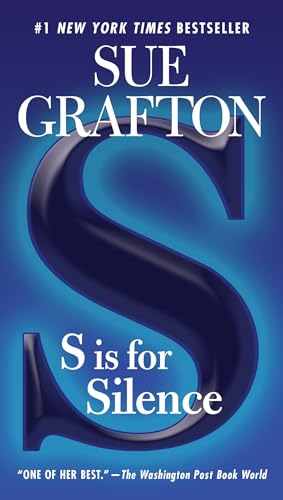

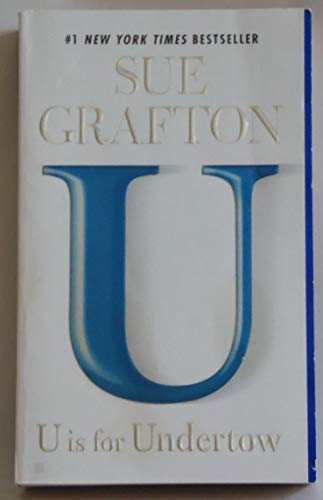


Publication Order of Kinsey Millhone Collections Books

About Kinsey Millhone
Sue Grafton’s Kinsey Millhone novels, commonly known as the Alphabet series, follow an independent private investigator working in the fictional California city of Santa Teresa. The sequence began with “A” Is for Alibi in 1982 and ultimately reached twenty-five novels, ending with “Y” Is for Yesterday. Its alphabetical naming pattern gave the books an instantly recognizable identity, but the series endured because Kinsey developed into one of modern crime fiction’s most distinctive investigators.
Kinsey is a former police officer who left law enforcement after deciding that its rules and bureaucracy did not suit her. Twice divorced and deliberately self-reliant, she conducts investigations from a modest office and lives in a converted garage owned by her elderly landlord, Henry Pitts. She has little interest in status, fashion, possessions, or conventional domestic life. Her habits are practical and repetitive: early-morning runs, simple meals, handwritten notes, public-record searches, and long hours spent interviewing people who would often prefer not to be found.
Her personality provides the series with much of its continuity. Kinsey can be curious, observant, funny, impatient, judgmental, and occasionally reckless. She is capable of empathy without becoming sentimental, and her distrust of easy explanations makes her well suited to cases built around old resentments, hidden identities, damaged families, and disputed memories. Grafton allows her to make mistakes, pursue weak leads, and misread people, giving the investigative process a convincing sense of labor rather than effortless deduction.
Most installments begin with a professional assignment that appears reasonably contained: locating a missing person, reviewing an old conviction, investigating suspected fraud, or determining what happened in an unresolved death. The case usually expands as Kinsey uncovers connections between money, family loyalties, private shame, and violence. The individual mysteries are largely self-contained, but recurring relationships and revelations about Kinsey’s family history give the series a gradual personal progression.
Santa Teresa, based closely on Santa Barbara, is central to that progression. Grafton presents it through residential streets, beach communities, offices, restaurants, motels, wealthy enclaves, and less prosperous neighborhoods. Familiar figures such as Henry and restaurant owner Rosie help create a stable social world around Kinsey, even as each investigation introduces a new circle of suspects, witnesses, relatives, and victims. The result is a setting that feels inhabited rather than merely revisited.
Although the novels were published over thirty-five years, Kinsey’s life advances much more slowly. The stories remain primarily in the 1980s, preserving an investigative world built around telephone calls, libraries, paper files, newspaper archives, face-to-face interviews, and physical surveillance. That compressed chronology also prevents Kinsey from aging at the same rate as the readership and allows consequences from earlier books to remain comparatively recent within her life.
Grafton generally uses Kinsey’s first-person voice, often framing the narrative like a report written after the case. Her plainspoken observations and dry humor make even routine detective work engaging. Some later novels broaden the structure through additional viewpoints or events from the past, allowing the reader to understand parts of a mystery that remain initially unavailable to Kinsey.
Publication order is the natural way to experience the series. Each central case can usually stand alone, but Kinsey’s friendships, family discoveries, professional experiences, and understanding of herself accumulate across the alphabet. The sequence was intended to continue through Z, but Grafton died in 2017 without completing a final novel. Her family declined to authorize another writer to finish it, leaving “Y” Is for Yesterday as Kinsey Millhone’s final full-length investigation and preserving the series entirely in Grafton’s own voice.