
Below is the complete list of Robert B. Parker books in order. For each series, the chronological reading order is the same as the order of publication.
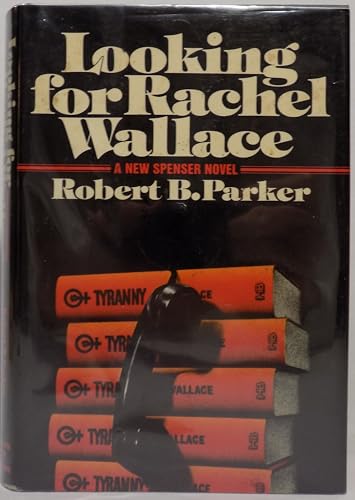
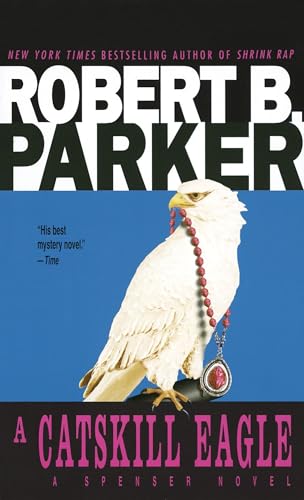
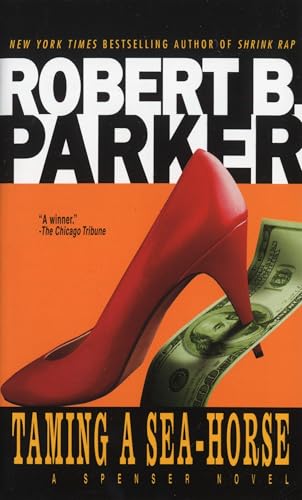
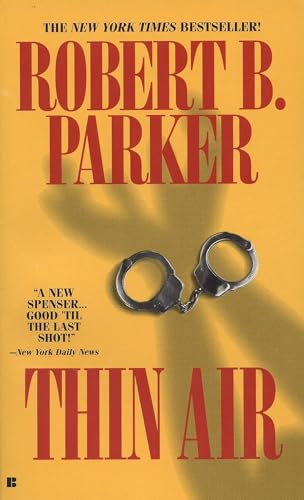
Publication Order of Spenser Books














Publication Order of Jesse Stone Books


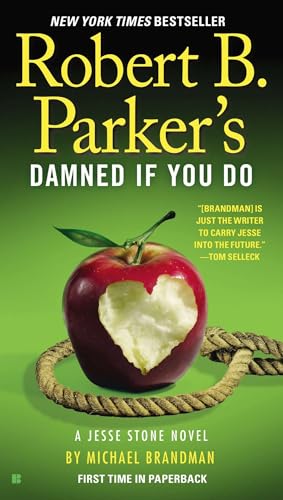



Publication Order of Sunny Randall Books





Publication Order of Virgil Cole and Everett Hitch Books

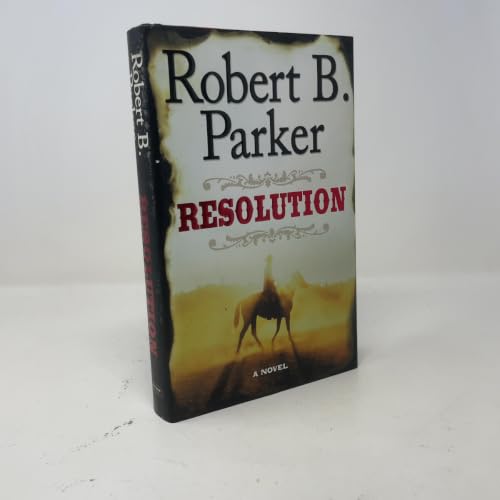


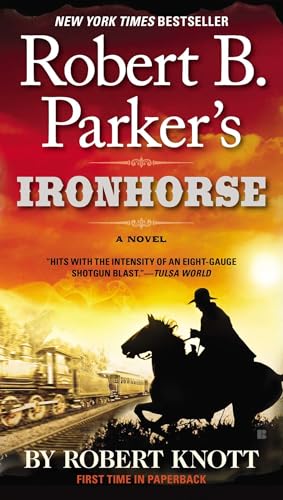


Publication Order of Standalone Books

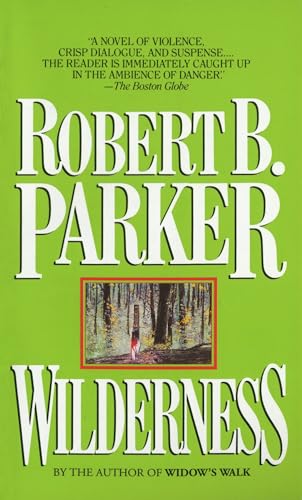




Publication Order of Non-Fiction Books


Publication Order of Philip Marlowe Books




Publication Order of Akashic Noir Books

Publication Order of Young Spenser Books

Publication Order of Mysterious Profiles Books

About Robert B. Parker
Robert B. Parker was one of the most important American crime writers of the late twentieth century, and one of the few genre novelists whose influence can be felt both in style and in character design. He is best known for the Spenser novels, but his bibliography makes the most sense when seen as a set of strong recurring-character lines rather than a single famous series surrounded by leftovers. Parker wrote lean, fast, dialogue-driven fiction, and he did so with unusual consistency. Even when his books worked within familiar crime-novel forms—private investigation, police procedure, western justice, hired-gun suspense—they carried a recognizably Parker rhythm: spare narration, sharp exchanges, moral testing, and protagonists who defined themselves as much by personal code as by the case in front of them.
Spenser is the obvious center of gravity. Beginning with The Godwulf Manuscript, Parker revived the private-eye novel for a modern readership without simply imitating the hardboiled masters who came before him. Spenser has wit, appetite, loyalty, and confidence, but what gives the series its staying power is Parker’s ability to turn a detective novel into an ongoing study of character. Over time, the books become as much about relationships, ethics, and the performance of toughness as they are about solving crimes. Susan Silverman, Hawk, and the wider recurring cast are crucial to that effect. Parker understood that series fiction becomes richer when the people around the lead stop feeling like furniture and start exerting pressure of their own.
But Parker’s career is larger than Spenser. Jesse Stone gave him another durable vehicle, this time in a more openly melancholic register. Jesse is a police chief rather than a private investigator, and the books around him tend to feel quieter, sadder, and more weathered, with damage and loneliness closer to the surface. If Spenser is Parker’s most iconic hero, Jesse may be his most inward one. Then there is Sunny Randall, who brings a different professional and emotional angle to the detective form, and Virgil Cole and Everett Hitch, whose western novels showed that Parker’s strengths could travel remarkably well outside modern urban crime. Even Appaloosa, which many readers know first, is less a departure from Parker’s core concerns than a relocation of them. The setting changes, but the questions remain familiar: what makes authority legitimate, what loyalty costs, and how men and women build codes when institutions fail them.
Parker’s prose style matters as much as his characters. He wrote cleanly, quickly, and with tremendous confidence in dialogue. His books are rarely crowded with explanation. He preferred movement, verbal sparring, and the revealing pressure of conversation. That economy helped make him widely readable, but it also disguised how controlled the work often was. Parker knew exactly how much to leave unsaid. His novels can seem effortless until one notices how carefully they are built around recurring motifs: loyalty, food, sex, friendship, violence, self-respect, and the uneasy line between professionalism and personal belief.
His background also matters to the shape of the work. Parker earned a doctorate and wrote scholarly work on detective fiction before becoming a major novelist, which helps explain why his books often feel like they know the genre from the inside. He was not writing crime fiction naively. He understood the traditions he was entering and reshaping. Yet the novels do not read like academic exercises. Their intelligence is worn lightly.
The best way to understand Robert B. Parker’s bibliography, then, is as a body of series fiction organized by voice and code. Spenser is the flagship, Jesse Stone the bruised later variation, Sunny Randall the gendered reframing, and Virgil Cole the western transposition. Across all of them, Parker remained committed to clarity, pace, and the drama of character under pressure. That is why his books endure. They are not elaborate for their own sake. They are direct, tough, funny, and morally alert, written by an author who knew that readers return to crime fiction not just for mystery or action, but for the company of a mind that knows how to see the world clearly.