
Below is the complete list of Robert B. Parker’s Spenser books in order. For this series, the chronological reading order is the same as the order of publication.
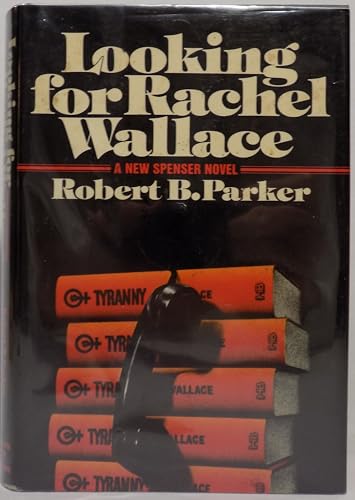
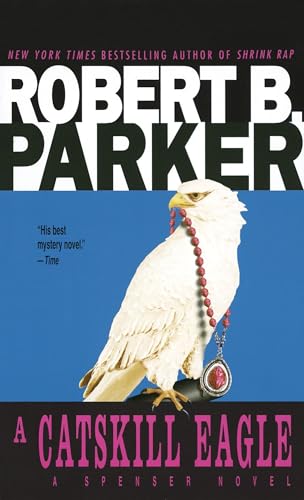
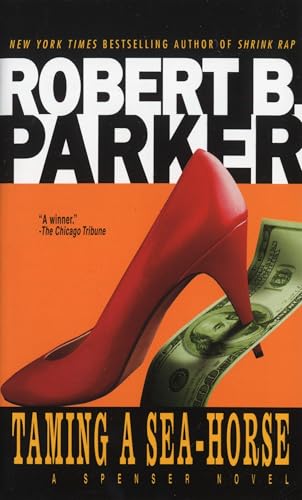
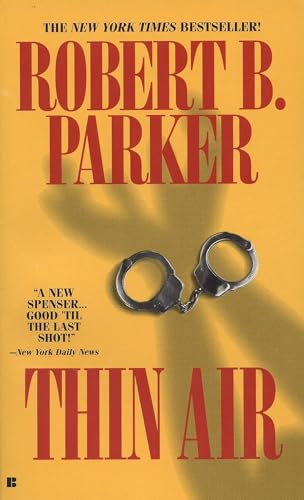
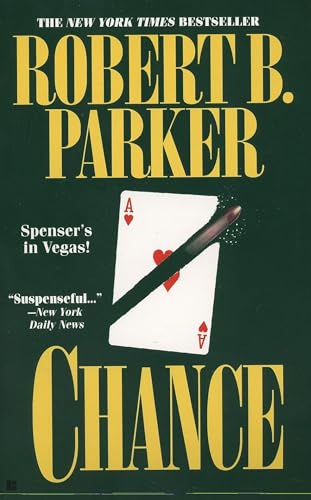
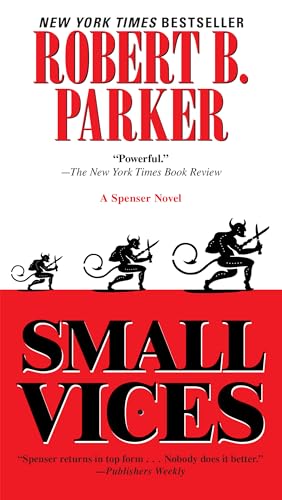
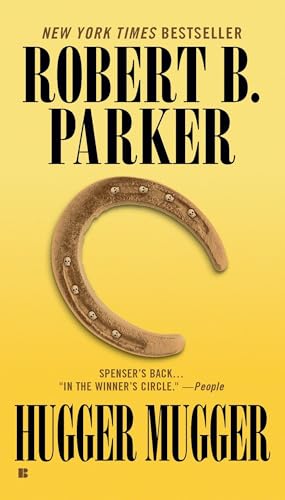
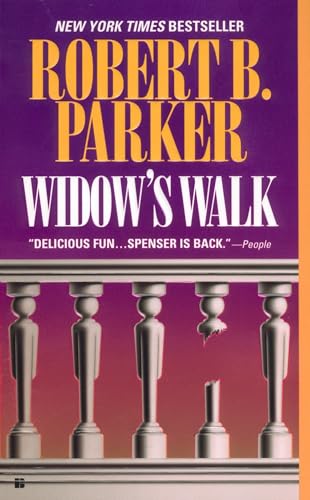
Publication Order of Spenser Books













About Spenser
Robert B. Parker’s Spenser novels are one of the defining private-eye series in modern American crime fiction. The series begins with The Godwulf Manuscript and centers on Spenser, a Boston investigator whose combination of wit, physical competence, loyalty, appetite, and moral stubbornness became enormously influential. Official Robert B. Parker and Penguin Random House series pages still position Spenser as the core of Parker’s legacy, which is fitting: this is the series that established Parker’s voice and, in many ways, reshaped the post-Chandler detective novel.
What makes the series last is not just the cases, but the consistency of character. Spenser is less interesting as a puzzle-solver than as a man with a code, and Parker understood that early. The books are usually fast, lean, and dialogue-driven, but beneath that economy is a long-running study of principle, friendship, love, and self-respect. Susan Silverman and Hawk are not ornamental recurring figures; they are part of the series’ moral and emotional architecture. Over time, the novels become as much about the durable shape of these relationships as they are about crime itself. That is one reason publication order matters. The cumulative force of the series comes from seeing Spenser’s world deepen rather than simply repeat.
The early books are especially important because they show Parker moving the private-eye tradition into a more contemporary register without losing its hardboiled backbone. Spenser is clearly in conversation with earlier detectives, but he is less alienated, more openly verbal, and more comfortable treating intimacy, friendship, and domestic life as part of a crime novel rather than as distractions from it. Parker’s prose style matters here too. He wrote with unusual clarity and speed, trusting dialogue to do much of the work. That style became one of the signatures of the series, and it helped make Spenser feel modern without making him soft.
Publication order is also the best way to read Spenser because the series evolves gradually. The supporting cast gains texture, Boston becomes more than a backdrop, and Parker grows increasingly confident in letting recurring tensions and personal history carry narrative weight. This is not a series where every novel resets to zero. Even when the plots are self-contained, the emotional landscape keeps accumulating. That is particularly true in the middle and later Parker-written books, where the series becomes less about proving who Spenser is and more about testing how that identity holds under new pressures.
One important point for readers now is that the Spenser series did not end with Robert B. Parker’s death in 2010. The official Parker and Penguin pages make clear that the novels continued under other writers, first notably Ace Atkins and later Mike Lupica. That continuation matters because the series now has two related but distinct phases: the original Parker run and the post-Parker extension. For many readers, Parker’s own novels remain the essential core, but the continuation books are part of the official series history and are best understood as an effort to preserve a beloved character and voice rather than to replace Parker’s authorship.
That long life is part of what makes Spenser so significant. He is not just a successful detective protagonist; he is one of the few crime-series leads durable enough to outlive his creator in an ongoing official line. But the reason that happened is clear. Parker built more than a formula. He built a character sturdy enough to support decades of storytelling: funny without becoming glib, dangerous without becoming mythic, and principled without losing flexibility. Read in order, the Spenser books show that achievement clearly. They begin as sharp, modern detective novels and grow into one of the most recognizable bodies of series crime fiction in American publishing.