
Below is the complete list of Mary Monroe’s God Don’t Like Ugly books in order. For this series, the chronological reading order is the same as the order of publication.
Publication Order of God Don’t Like Ugly Books
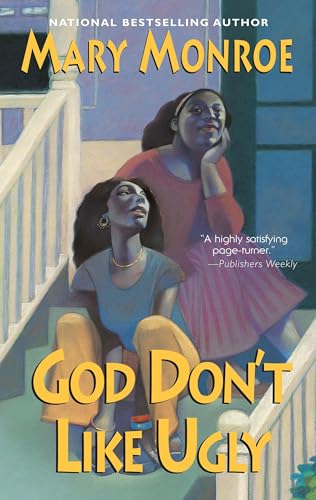
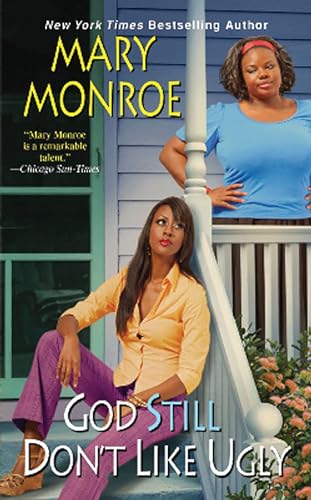

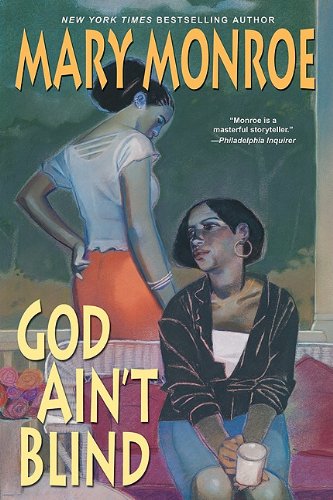


About God Don’t Like Ugly
Mary Monroe’s God Don’t Like Ugly series is a long-running contemporary fiction saga centered on Annette Goode and Rhoda Nelson O’Toole, two women whose friendship begins in childhood and survives decades of secrets, betrayal, family trouble, and hard-earned maturity. The series begins with God Don’t Like Ugly, a powerful coming-of-age novel set partly in 1960s Ohio, and grows into a broader portrait of Black womanhood, loyalty, survival, marriage, motherhood, and the painful consequences of choices made under pressure.
Annette Goode is the emotional center of the series. As a girl, she is shy, isolated, and deeply wounded by experiences she does not know how to name or escape. Her friendship with Rhoda changes her life because Rhoda represents confidence, beauty, and social ease—everything Annette feels she lacks. Yet Monroe does not write their bond as simple or idealized. Rhoda is glamorous and magnetic, but she can also be reckless, selfish, and dangerous to the people who love her. Annette, meanwhile, may appear vulnerable, but she has a stubborn capacity to endure, forgive, and keep moving even after life repeatedly disappoints her.
The first novel is especially important because it establishes the emotional roots of everything that follows. Annette’s childhood pain, her complicated attachment to Rhoda, and the social realities surrounding their families all shape the adult woman she becomes. Monroe writes with directness and warmth, but she does not soften the damage caused by secrecy or betrayal. The story is about friendship, but also about how childhood wounds can echo through adulthood if they are never fully confronted.
As the series continues through books such as God Still Don’t Like Ugly, God Don’t Play, and God Ain’t Blind, the focus shifts from Annette’s girlhood into adult life. Marriage, motherhood, friendship, aging, desire, resentment, and money all become part of the story. Annette becomes Annette Goode Davis, but growing older does not free her from emotional complications. Her relationship with Rhoda remains one of the series’ richest elements because it is loving, messy, funny, and often frustrating. They know each other too well to be polite for long, yet their history makes it difficult for either woman to fully walk away.
The later books, including God Ain’t Through Yet and God Don’t Make No Mistakes, continue exploring the lives of women who have survived much but are still not finished learning. Monroe is interested in the way people repeat patterns, justify bad decisions, and still search for happiness. Her characters are flawed in recognizable ways: they gossip, envy, desire, forgive too much, trust too little, and sometimes hurt the people closest to them. That honesty gives the series its appeal. It does not present maturity as a clean arrival point, but as an ongoing struggle.
God Don’t Like Ugly is best understood as character-driven women’s fiction with a strong emotional and social foundation. The books are dramatic, sometimes painful, often humorous, and deeply rooted in friendship and community. Annette and Rhoda endure because they feel like women with full histories, not figures built only for plot. Through them, Mary Monroe writes about survival, shame, pride, loyalty, and the complicated truth that the people who help us live through our worst moments may also be the ones who test us the most.