
Below is the complete list of Tony Abbott books in order. For each series, the chronological reading order is the same as the order of publication.
Publication Order of The Secrets of Droon Books


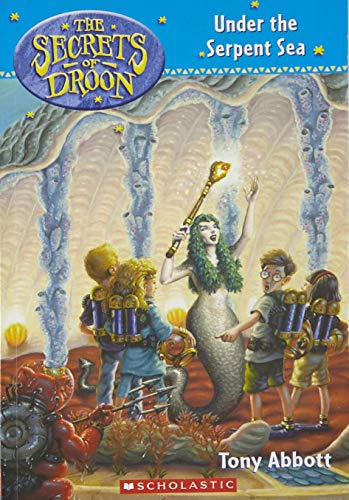


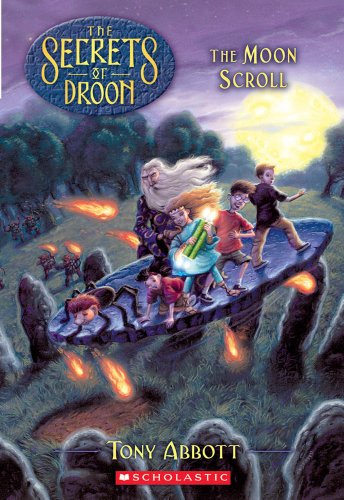


Publication Order of The Secrets of Droon: Special Edition Books


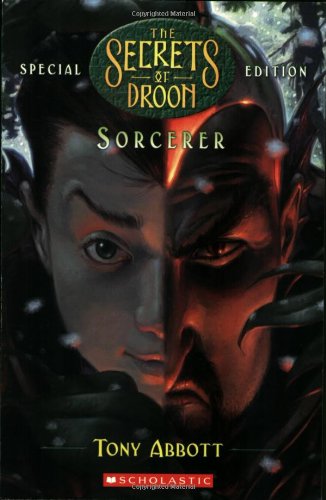


Publication Order of The Copernicus Legacy Books


Publication Order of Copernicus Archives Books


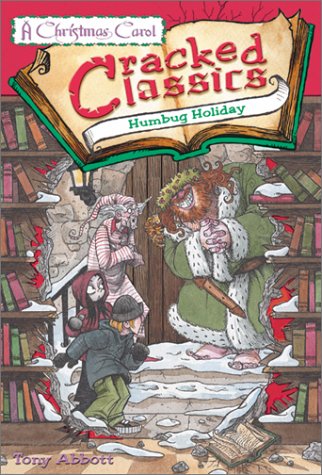
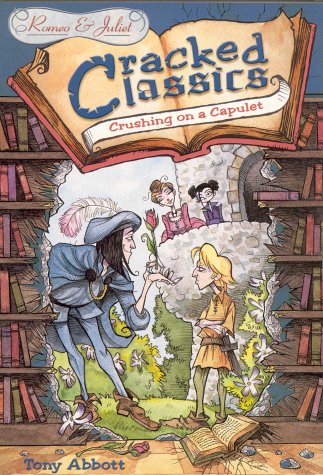
Publication Order of Cracked Classics Books



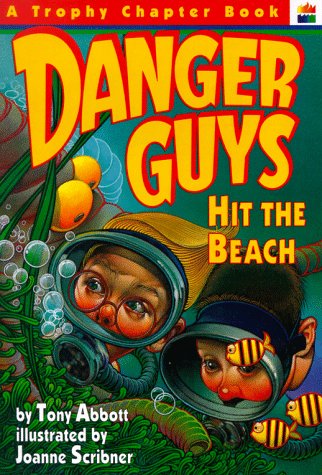
Publication Order of Danger Guys Books




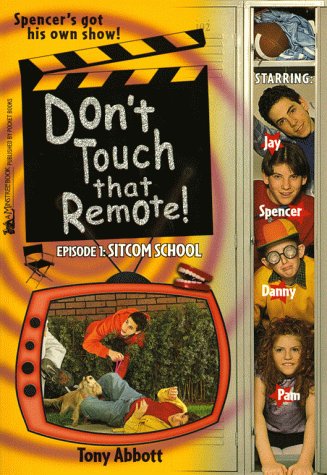
Publication Order of Don’t Touch That Remote Books


Publication Order of Firegirl Books


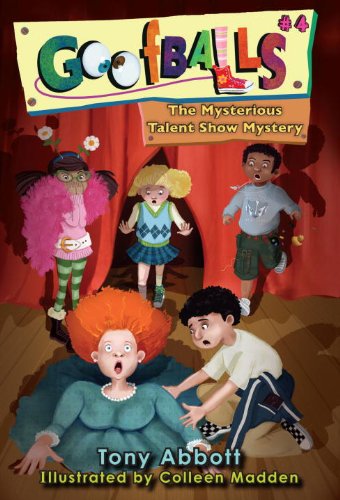
Publication Order of Goofballs Books





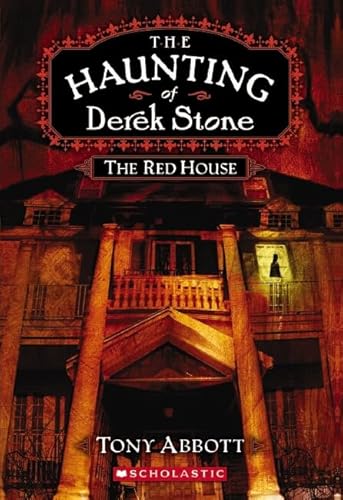
Publication Order of The Haunting of Derek Stone Books



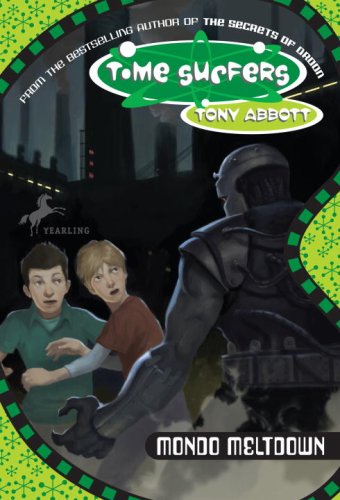
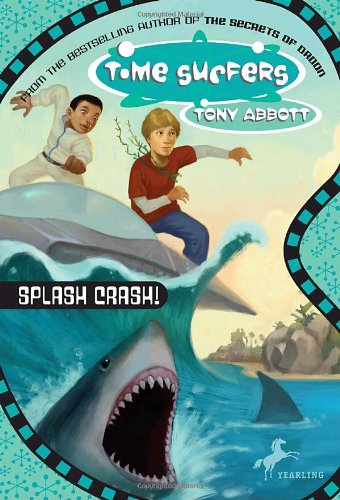
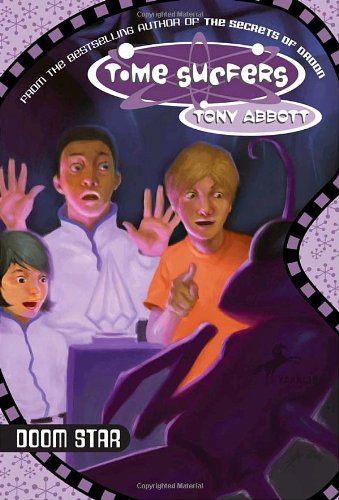
Publication Order of Time Surfers Books





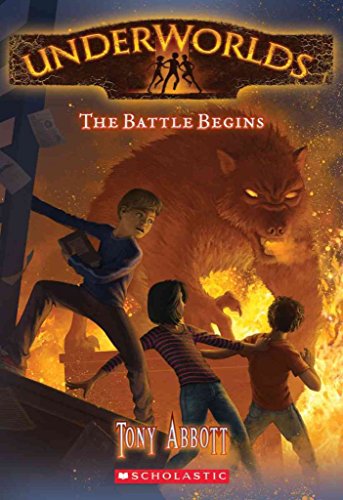
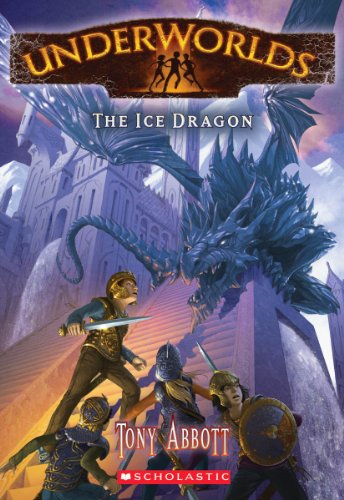
Publication Order of Underworlds Books


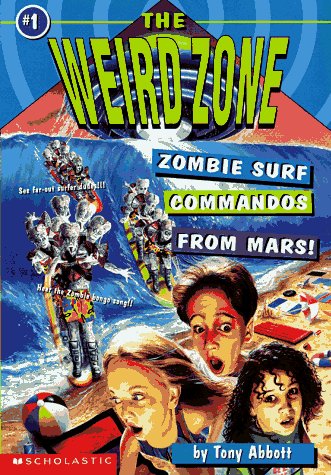
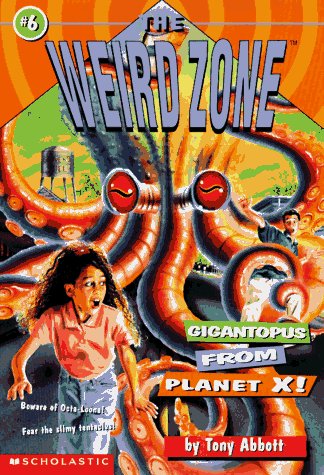
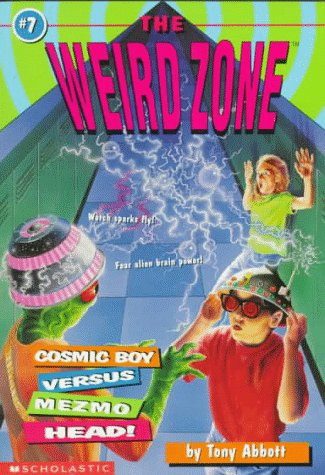
Publication Order of The Weird Zone Books



Publication Order of Standalone Books


About Tony Abbott
Tony Abbott is an American author of children’s and middle-grade fiction best known for combining fantasy, mystery, adventure, and emotionally grounded coming-of-age stories. Born in Cleveland, Ohio, in 1952 and raised largely in Connecticut, Abbott studied at the University of Connecticut, where he ultimately earned a degree in English. Before becoming a professional writer, he worked in bookstores, a library, and a publishing company, experiences that kept him close to books even before he began writing specifically for young readers.
Abbott had written poetry and short fiction for years, but raising children and reading aloud to them pushed his interests toward children’s literature. An important step came when he attended a writing class taught by acclaimed children’s author Patricia Reilly Giff. After several years of developing his work, he sold the manuscript that became Danger Guys, launching his publishing career in the 1990s. The resulting series established the quick pacing, humor, adventure, and accessibility that would characterize many of his books for younger readers.
His defining commercial success arrived with The Secrets of Droon. Beginning with The Hidden Stairs and the Magic Carpet in 1999, the series follows Eric Hinkle and his friends Julie Rubin and Neal Kroger after they discover a magical passage beneath Eric’s basement leading to Droon. What begins as an accessible chapter-book fantasy gradually develops into a much larger continuing saga filled with wizards, magical creatures, hidden histories, kingdoms, and recurring enemies. Abbott has described Droon as essentially one enormous story spread across many volumes, an approach that allowed younger readers to encounter the pleasures of serialized epic fantasy in relatively short books. Scholastic ultimately published more than forty Droon adventures and special editions.
Abbott continued creating fantasy and adventure series for different reading levels. The Weird Zone brought comic science-fiction and monster situations into everyday childhood, while The Haunting of Derek Stone moved toward darker supernatural suspense. UnderWorlds drew on mythological creatures, and The Copernicus Legacy became a globe-spanning middle-grade adventure involving historical secrets, puzzles, artifacts, and a dangerous organization pursuing the same mystery as its young protagonists. Companion Copernicus Archives stories expanded individual characters without replacing the main narrative.
His stand-alone novels reveal another side of his writing. Firegirl focuses on a seventh grader whose assumptions about appearance, friendship, and courage are challenged when a severely burned girl joins his class. The novel received the Society of Children’s Book Writers and Illustrators’ Golden Kite Award for fiction. The Postcard, a mystery involving an old postcard, family history, and clues connected to an unfinished story, won the 2009 Edgar Award for juvenile mystery. Later books such as The Summer of Owen Todd, Denis Ever After, The Great Jeff, and Junk Boy continued Abbott’s interest in young people confronting grief, friendship, isolation, responsibility, and difficult changes.
Abbott’s bibliography is consequently broader than The Secrets of Droon alone suggests. His shorter series introduce developing readers to fantasy, comedy, and adventure; longer projects build increasingly elaborate mysteries and fictional worlds; and his stand-alone novels often narrow the focus to intimate emotional experiences. Across those different forms, he writes from the perspective that extraordinary events matter most when they change how young characters understand themselves, their friends, and the world immediately around them.