
Below is the complete list of C.S. Lewis books in order. For this series, the chronological reading order is the same as the order of publication.
Publication Order of Cosmic Trilogy Books


Publication Order of The Chronicles Of Narnia Books
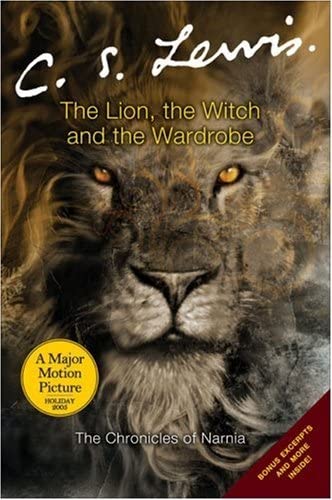


Publication Order of The Chronicles Of Narnia Companion Books

Publication Order of The World Of Narnia Books
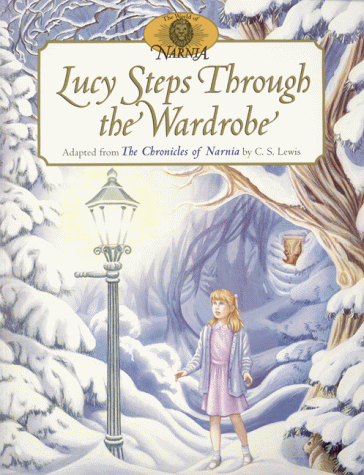


Publication Order of Standalone Novels Books
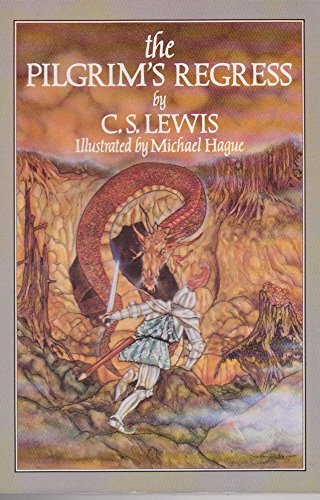


Publication Order of Collections Books


- Present Concerns (1987)
Present Concerns was first published in 1987; within the Collections series, it is listed as book #5. 
Publication Order of Graphic Novels Books

Publication Order of Non-Fiction Books


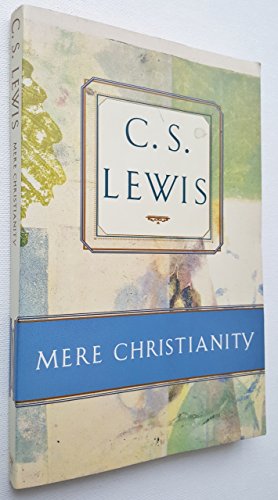


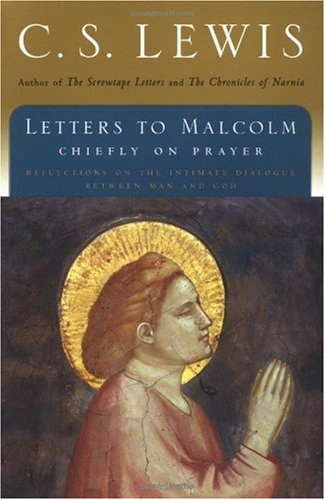




- The Weight of Glory (2016)
In the Non-Fiction series, The Weight of Glory is book #24 and was published in 2016. 


Publication Order of Poetry Books

About C.S. Lewis
C.S. Lewis remains one of the most widely read Christian writers of the twentieth century, but his bibliography makes the most sense when seen as the meeting point of several different careers rather than a single literary identity. He was a scholar of medieval and Renaissance literature, a Christian apologist, a novelist, an essayist, a broadcaster, and a writer of children’s fantasy who somehow managed to be taken seriously in all of those roles. That combination is rare. Many writers succeed in one register and become trapped there. Lewis moved between academic criticism, imaginative fiction, and religious argument with unusual confidence, and the shelf he left behind reflects that breadth.
Born in Belfast in 1898, Lewis was marked early by both intense reading and profound loss. The death of his mother when he was a child became one of the shaping griefs of his life, and his later writing often carries a keen awareness of longing, absence, and the fragile distance between joy and sorrow. He served in the First World War, studied at Oxford, and eventually became a distinguished academic, first at Oxford and later at Cambridge. That scholarly foundation matters because it explains part of the density beneath even his most accessible books. Lewis could write with great clarity, but that clarity rested on immense learning.
His bibliography is best understood in four major strands. The first is the Christian apologetics and devotional writing for which many adult readers know him best: works such as Mere Christianity, The Screwtape Letters, The Problem of Pain, Miracles, and A Grief Observed. These books show Lewis as a prose stylist of unusual lucidity. He had a gift for making theological and philosophical ideas feel conversational without becoming thin. He could argue fiercely, but he also knew how to translate abstract doctrine into moral and imaginative terms that ordinary readers could grasp.
The second strand is the fiction for children and younger readers, above all The Chronicles of Narnia. Those seven books became his most culturally enduring imaginative creation, but they are not merely children’s fantasies. They hold myth, Christian symbolism, adventure, melancholy, and metaphysical longing in a form simple enough for young readers and deep enough to sustain lifelong rereading. Narnia made Lewis globally famous in a way his criticism never could, and it remains the part of his bibliography most likely to introduce new readers to his name.
The third strand is his adult imaginative fiction, especially the Space Trilogy and novels such as Till We Have Faces and The Great Divorce. These books are essential to understanding him fully. They show that Lewis was not only a teacher of ideas or a maker of allegory, but a serious imaginative writer capable of strangeness, beauty, and moral complexity. Till We Have Faces in particular is often regarded as his finest novel because it reveals a darker, subtler, and more psychologically layered side of his imagination than readers sometimes expect from him.
The fourth strand is his academic and literary criticism. Lewis was not a novelist who happened to teach; he was a major scholar whose works on medieval literature, allegory, and English literary history were central to his professional life. That side of his bibliography can be overshadowed by Narnia and apologetics, but it is crucial. He thought about language, myth, and imagination at the highest level, and that seriousness informs everything else he wrote.
Another key part of his life was friendship and conversation. Lewis belonged to the Inklings, the Oxford literary circle that included J.R.R. Tolkien, and while the two writers were very different, their friendship helped shape modern fantasy literature in ways that still echo. Lewis’s later marriage to Joy Davidman also altered the emotional register of his life and writing, most painfully in the grief that followed her death and found expression in A Grief Observed.
The best way to understand C.S. Lewis, then, is not as merely the author of Narnia or merely a Christian thinker. He was a writer for whom imagination and belief were inseparable. Whether he was explaining doctrine, inventing another world, retelling myth, or writing about loss, he kept returning to the same central questions: what human beings long for, what they worship wrongly, what they are made for, and whether joy can be trusted as a sign of something real beyond the visible world. That is why his bibliography still feels alive. It does not belong to one audience only. It belongs to readers who want argument, story, and spiritual seriousness all at once.