
Below is the complete list of Kiersten Modglin’s The Arrangement books in order. For this series, the chronological reading order is the same as the order of publication.
Publication Order of The Arrangement Books
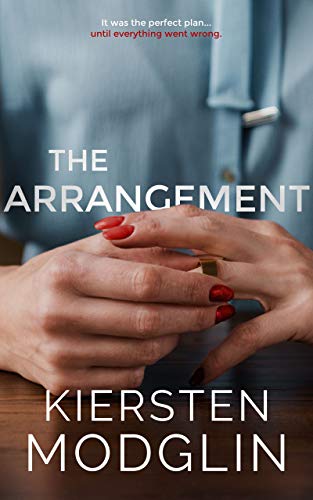


About The Arrangement
A desperate attempt to repair a failing marriage becomes the foundation of Kiersten Modglin’s The Arrangement series, a psychological thriller trilogy examining infidelity, manipulation, obsession, and the destructive consequences of secrets. Beginning with The Arrangement in 2021, the novels follow a married couple whose unconventional solution to their relationship problems draws them into an increasingly dangerous web of deception. Modglin transforms a familiar domestic conflict into a suspenseful narrative in which trust becomes difficult to distinguish from calculated betrayal.
Ainsley Greenburg is a woman accustomed to solving problems. Determined, resourceful, and unwilling to accept failure, she approaches difficulties with the conviction that almost anything can be repaired through sufficient effort. When her marriage to Peter begins falling apart, she proposes an unusual arrangement intended to restore excitement and prevent their relationship from collapsing.
The agreement allows both spouses to date other people once a week, provided they follow certain rules. Neither will discuss what happens during these encounters, and their outside relationships are supposed to remain separate from their marriage. What initially appears to offer an escape from marital dissatisfaction quickly exposes deeper tensions involving jealousy, insecurity, and the couple’s complicated personal histories.
Peter’s willingness to accept the proposal introduces uncertainty from the beginning. His motivations are not always clear, and Ainsley’s confidence in her ability to control the arrangement gradually becomes difficult to sustain. As boundaries are crossed and suspicious circumstances emerge, both characters must confront the possibility that their marriage contains secrets far more dangerous than ordinary infidelity.
Rather than relying on a conventional criminal investigation, Modglin builds suspense through the shifting relationship between husband and wife. Conversations acquire hidden meanings, apparently insignificant decisions create unexpected consequences, and familiar domestic situations become sources of anxiety. The intimate setting makes the conflict particularly unsettling because the central danger is connected to someone who should represent emotional security.
The Amendment continues the Greenburgs’ story after the consequences of their original agreement have fundamentally altered their lives. With damaging secrets exposed, Peter and Ainsley attempt to confront the destruction caused by their decisions. However, their efforts to rebuild trust are complicated by new revelations, threats connected to the past, and circumstances that place their family under increasing pressure.
The second novel broadens the psychological conflict beyond the initial arrangement. Questions of forgiveness, accountability, and whether a damaged relationship can genuinely recover become increasingly important. The characters must decide how much they are willing to sacrifice to preserve their marriage, particularly when concealing earlier mistakes creates further danger.
The concluding novel, The Atonement, brings Ainsley and Peter’s troubled relationship toward its final confrontation. Ainsley finds herself facing escalating fear and uncertainty as the consequences of earlier events threaten her family, home, and personal safety. Her determination to regain control becomes central to a story involving paranoia, survival, and the difficulty of recognizing whom she can trust.
Across the trilogy, Modglin develops Ainsley as a psychologically complicated protagonist rather than a straightforward victim. Her determination to fix difficult situations can become a weakness when she overestimates her understanding of other people’s motives. Peter is similarly difficult to assess, with his actions repeatedly challenging assumptions about loyalty, honesty, and responsibility.
The series draws much of its tension from the contrast between outward appearances and private realities. Marriage, traditionally associated with intimacy and mutual support, becomes an environment in which information can be withheld, manipulated, or used as leverage. Modglin emphasizes how seemingly reasonable compromises can produce consequences neither participant fully anticipates.
The three novels form one continuing narrative rather than separate mysteries featuring recurring characters. Their escalating conflicts give the trilogy a cumulative emotional intensity, while Modglin’s fast pacing and carefully controlled revelations maintain uncertainty about the characters’ intentions.
At its core, The Arrangement examines what happens when the determination to preserve a relationship becomes inseparable from deception and control. Ainsley and Peter’s attempts to repair their marriage reveal increasingly disturbing questions about trust, personal responsibility, and the limits of forgiveness, turning an unconventional marital agreement into a sustained exploration of psychological danger.