
Below is the complete list of Susan Wiggs’ Lakeshore Chronicles books in order. For this series, the chronological reading order is the same as the order of publication.
Publication Order of Lakeshore Chronicles Books





About Lakeshore Chronicles
Susan Wiggs’s Lakeshore Chronicles is an interconnected contemporary romance and family saga set around Willow Lake and the fictional town of Avalon in New York’s Catskill Mountains. At its center is the Bellamy family, whose history with the old Camp Kioga resort gives the series a natural gathering place for romances involving relatives, friends, newcomers, and people returning home after years away. Each novel tells a complete central story, but the recurring families and evolving relationships make Avalon feel increasingly lived-in as the series progresses.
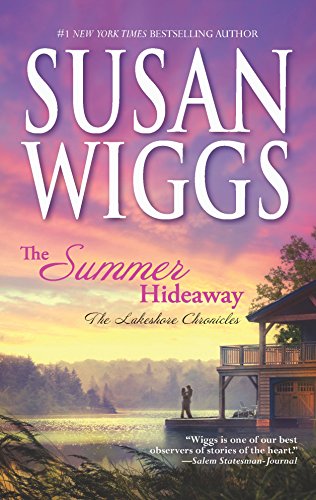
Summer at Willow Lake establishes that world through Olivia Bellamy, who leaves Manhattan to renovate her family’s deteriorating summer resort after a broken engagement. Camp Kioga carries memories from her childhood and adolescence, including her complicated history with Connor Davis. Restoring the property brings members of the Bellamy family back together and sets up many of the relationships that later become important elsewhere in the series.
That pattern—returning home while confronting unfinished personal history—appears repeatedly throughout the Lakeshore Chronicles. Wiggs uses Willow Lake as a place where characters reassess marriages, careers, parenthood, grief, and decisions made years earlier. The stories frequently involve people whose lives look settled from the outside but have reached a point where something fundamental must change.
Family continuity is one of the series’ strongest features. Sophie Bellamy’s story in Snowfall at Willow Lake, for example, follows her return to Avalon after surviving a hostage crisis while working internationally. Her effort to reconnect with her children places family reconciliation alongside her developing relationship with veterinarian Noah Shepherd. Other books widen the circle beyond the Bellamys while keeping established characters close enough to remain part of the community.
Daisy Bellamy provides the clearest long-running storyline. Her relationships with Logan O’Donnell and Julian Gastineaux develop across multiple installments before taking center stage in Marrying Daisy Bellamy. Unlike couples whose romantic conflicts are introduced and resolved primarily within one novel, Daisy’s emotional history accumulates over time. Wiggs herself has noted that readers especially interested in Daisy’s story benefit from following the series chronologically.
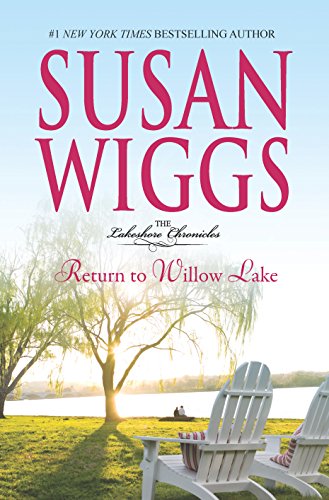
Even after Daisy’s central novel, Avalon continues to evolve. Return to Willow Lake focuses on Sonnet Romano, whose ambitious life is disrupted when her mother faces a high-risk pregnancy and later a serious illness. Returning home also brings Sonnet back into contact with filmmaker Zach Alger, connecting her romantic choices with larger questions about family responsibility and what success should mean. Candlelight Christmas later gives Logan O’Donnell his own romantic future, pairing him with the guarded Darcy Fitzgerald during a family Christmas at Willow Lake.
Across the series, Wiggs moves comfortably between romance and broader family fiction. Divorce, single parenthood, aging parents, illness, military service, career setbacks, estrangement, bereavement, and reconciliation regularly influence the relationships. The books are romantic without treating love as something that exists separately from children, former partners, parents, siblings, or professional obligations.
Camp Kioga and Avalon give these varied stories their cohesion. Summer reunions, winter gatherings, weddings, holidays, and returns to the lake repeatedly bring characters back into one another’s lives. That recurring environment allows secondary figures to become protagonists later while established couples continue appearing naturally rather than disappearing once their own romances end.
The Lakeshore Chronicles therefore develops less like a sequence of isolated love stories and more like a community observed over many years. Its emotional weight comes from watching families change, children grow older, friendships deepen, and characters who once occupied the background step forward into stories of their own. Willow Lake remains the constant: a place associated with memory and family history, but also with the possibility of beginning again.