
Below is the complete list of Laurell K. Hamilton’s Anita Blake, Vampire Hunter books in order. For this series, the chronological reading order is the same as the order of publication.
Publication Order of Anita Blake, Vampire Hunter Books



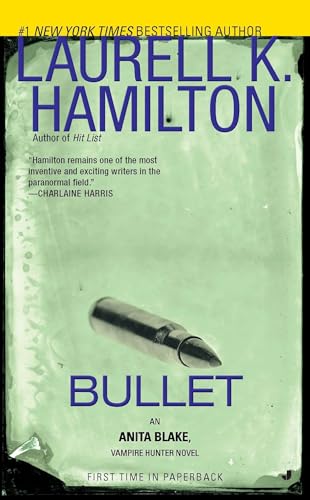
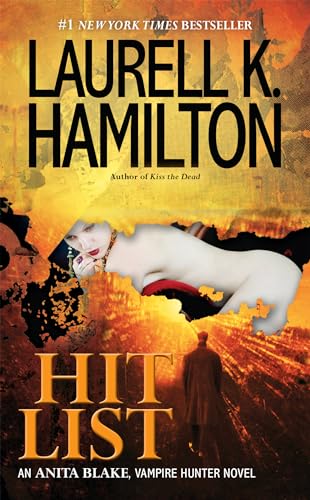


- A Girl, a Goat, and a Zombie (2016)
A Girl, a Goat, and a Zombie is a 2016 release and appears as book #28 in the Anita Blake, Vampire Hunter series. 


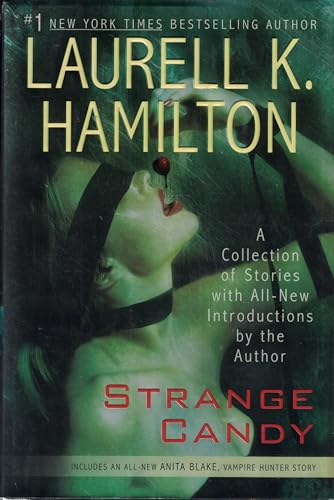
Publication Order of Anita Blake, Vampire Hunter Collections Books
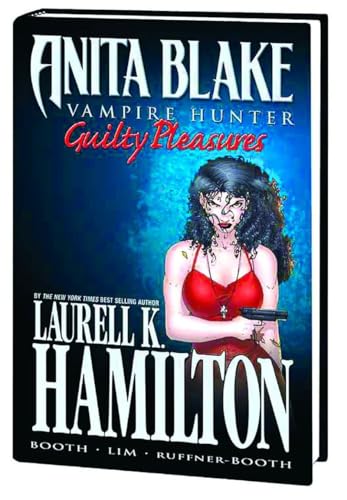
Publication Order of Anita Blake, Vampire Hunter Graphic Novels Books


Publication Order of Anita Blake, Vampire Hunter Short Stories/Novellas Books
Publication Order of Anita Blake, Vampire Hunter: Circus of the Damned Graphic Novels Books


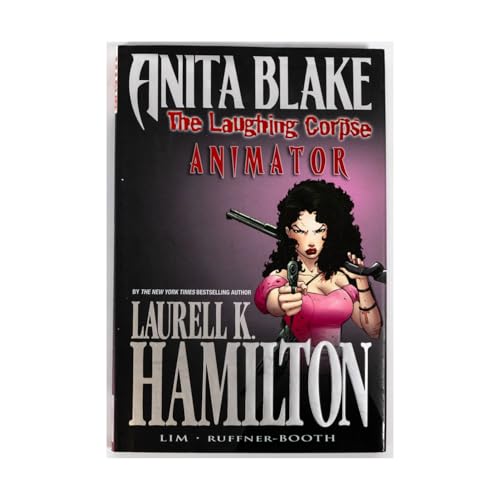
Publication Order of Anita Blake, Vampire Hunter: The Laughing Corpse Graphic Novels Books


About Anita Blake, Vampire Hunter
Laurell K. Hamilton’s Anita Blake: Vampire Hunter series is one of the major long-running works of American urban fantasy, beginning with Guilty Pleasures and expanding into a large supernatural universe of vampires, shapeshifters, necromancers, witches, federal law, monster politics, erotic power, and shifting moral boundaries. Hamilton’s official catalogue lists Slay as Anita Blake book thirty, reflecting the unusual scale and longevity of the sequence.
The first books introduce Anita Blake in St. Louis as a professional animator who raises the dead for legal and personal purposes, while also working as a vampire executioner and supernatural consultant. That combination gave the early series its distinctive identity: part horror, part crime fiction, part paranormal procedural. Anita is not introduced as a romantic heroine first. She begins as a hard-edged investigator with a gun, a cross, a sharp tongue, and a strict moral code in a world where vampires have legal rights and monsters exist inside ordinary institutions.
Early entries such as Guilty Pleasures, The Laughing Corpse, Circus of the Damned, The Lunatic Cafe, and *Bloody Bones establish the series’ investigative foundation. Anita deals with murders, zombie-raising, vampire politics, lycanthrope communities, occult crimes, and the practical consequences of supernatural beings becoming part of public life. These books helped shape urban fantasy before the genre’s later boom, especially through the idea that supernatural law, policing, religion, business, and sex could all occupy the same modern landscape.
Jean-Claude, the vampire master of the city, becomes one of the series’ defining figures. His relationship with Anita begins in danger, manipulation, attraction, and distrust, then grows into one of the complicated power structures at the heart of the books. Richard Zeeman, a werewolf and teacher, introduces another major emotional and supernatural conflict, especially as Anita is drawn further into shapeshifter politics. Edward, the coldly efficient assassin sometimes known as Death, gives the series a different kind of recurring tension: a human killer whose friendship with Anita is built on professional respect, danger, and the unsettling question of how different they really are.
As the series develops, its center shifts. The early books are more tightly focused on horror-mystery plots, while later entries move increasingly toward erotic supernatural bonds, metaphysical power, polyamorous relationships, and the politics of Anita’s growing abilities. Books such as The Killing Dance, Burnt Offerings, Blue Moon, Obsidian Butterfly, and Narcissus in Chains mark important stages in that transformation. The change has made the series both influential and divisive, because Hamilton allowed Anita’s world to evolve far beyond the original monster-investigation formula.
That evolution is also why publication order matters. The Anita Blake books are not interchangeable paranormal cases. Anita’s powers, relationships, loyalties, enemies, and moral compromises accumulate heavily over time. Skipping too far ahead can leave a reader inside a very different series from the one that began with vampire executions and zombie-raising. The long arc shows Anita becoming more powerful, more entangled, and less able to separate justice from desire, protection, politics, and possession.
The series endures because it helped define a space where supernatural fiction could be adult, violent, sexual, legally complex, and emotionally messy. Anita Blake begins as a woman paid to raise the dead and kill monsters. Over time, the harder question becomes whether the word “monster” still means what she once believed it did, and whether survival in her world requires becoming something no clean moral code can fully explain.