
Below is the complete list of Dav Pilkey’s books in order. For each series, the chronological reading order is the same as the order of publication.
Publication Order of Big Dog and Little Dog Books


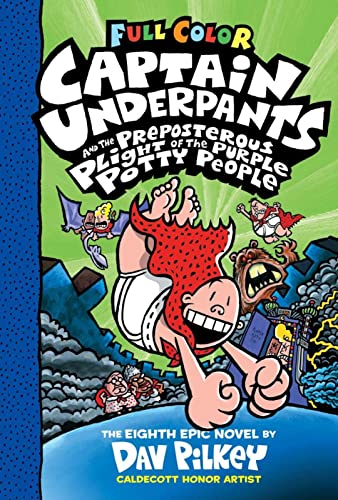
Publication Order of Captain Underpants Books




Publication Order of Captain Underpants Activity Books


- The Extra Big ‘N’ Extra Crunchy Captain Underpants Book O’ Fun (2011)
The Extra Big ‘N’ Extra Crunchy Captain Underpants Book O’ Fun is a 2011 release and appears as book #3 in the Captain Underpants Activity series. 
Publication Order of Cat Kid Comic Club Books


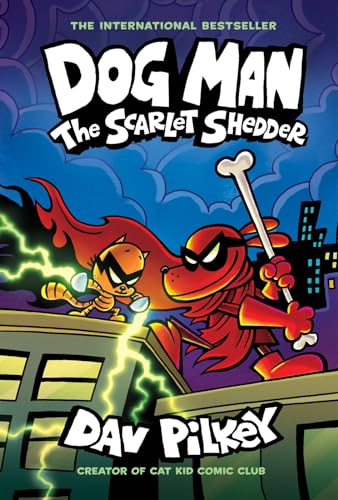
Publication Order of Dog Man Books

- Dog Man Unleashed (2016)
Published in 2016, Dog Man Unleashed is listed as book #2 in the Dog Man series. 




Publication Order of The Dragon Tales Books


Publication Order of Dumb Bunnies Books


Publication Order of Ricky Ricotta Books


Publication Order of Ricky Ricotta Activity Books

Publication Order of Super Diaper Baby Books


Publication Order of Standalone Novels Books

Publication Order of Picture Books


About Dav Pilkey
Dav Pilkey is an American children’s author and illustrator best known for creating Captain Underpants, Dog Man, and Cat Kid Comic Club. His books are instantly recognizable for their comic-book energy, handwritten jokes, flip-o-rama action scenes, mischievous humor, and strong encouragement of children’s creativity. Pilkey’s work is often silly on the surface, but its lasting appeal comes from something more meaningful: he writes for kids who feel restless, imaginative, easily distracted, misunderstood, or told too often that their ideas do not fit the classroom mold.
Born David Murray Pilkey Jr. in Cleveland, Ohio, in 1966, he struggled in school as a child because of ADHD and dyslexia. Those experiences became central to his identity as a writer. Instead of hiding them, Pilkey has often connected them to the creativity that later shaped his books. As a student, he was sometimes sent out of class and spent that time drawing comics. The characters and storytelling habits that would eventually become his career grew from those early moments of being separated from the usual classroom routine.
Pilkey’s first major children’s books included World War Won and the Dragon series, but his breakthrough came with The Adventures of Captain Underpants, published in 1997. The book introduced George Beard and Harold Hutchins, two fourth-grade best friends who love making comics and playing pranks. Their homemade superhero, Captain Underpants, becomes real through a ridiculous chain of events, creating a series that mixed school comedy, superhero parody, toilet humor, and genuine affection for children’s imagination.
The success of Captain Underpants came partly from Pilkey’s unusual respect for how kids actually joke, draw, and tell stories. George and Harold’s comics inside the books look intentionally childlike, but that is part of the point. Pilkey turns messy creativity into the engine of the story. The series celebrates friendship, invention, and the idea that children can become storytellers long before adults consider them polished or proper.
Dog Man grew out of the same fictional universe, framed as a comic created by George and Harold. The series follows a crime-fighting hero who is part dog and part man, blending action, slapstick, visual jokes, and surprisingly tender themes about kindness, forgiveness, and doing better after mistakes. Characters such as Dog Man, Petey, Li’l Petey, and 80-HD helped the series reach a huge graphic-novel audience, especially among early and reluctant readers who respond strongly to pictures, speed, and humor.
Cat Kid Comic Club extends that creative mission even further. Built around Li’l Petey, Molly, Flippy, and a group of young frogs learning to make comics, the series is almost a playful guide to storytelling. It encourages children to try different art styles, accept imperfection, revise their work, and find confidence in their own voices. In that sense, Pilkey’s career has come full circle: the child once criticized for drawing comics in class became an author who teaches millions of children that making comics can be a serious form of imagination.
Dav Pilkey’s bibliography is best understood not just as a list of funny books, but as a long argument in favor of creativity, empathy, and reader confidence. His stories are loud, odd, and full of jokes, yet they consistently return to friendship, second chances, and the belief that children who learn differently may also see the world in wonderfully original ways.