
Below is the complete list of Linda Castillo’s Kate Burkholder books in order. For this series, the chronological reading order is the same as the order of publication.
Publication Order of Kate Burkholder Books


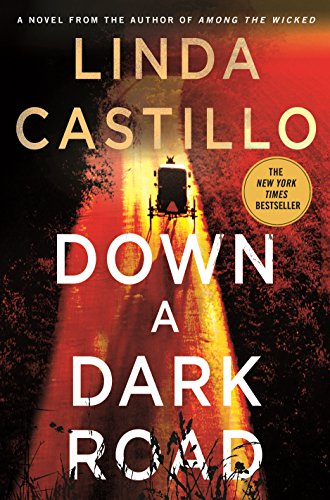

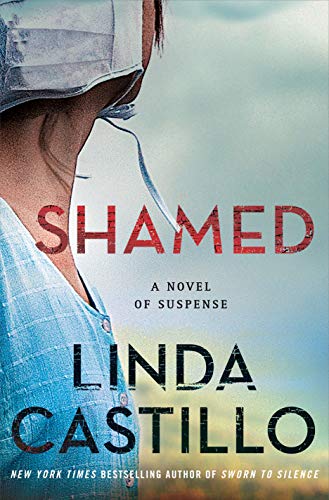


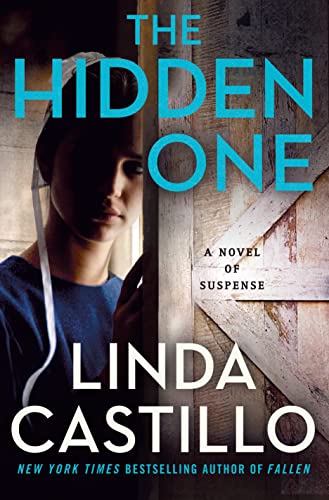


Publication Order of Kate Burkholder Short Stories/Novellas Books


Publication Order of Kate Burkholder Short Story Collections Books

About Kate Burkholder
Linda Castillo’s Kate Burkholder series occupies a darker corner of Amish-country crime fiction, combining police procedure with the divided perspective of a protagonist who was born into the culture she now investigates from outside it. Beginning with Sworn to Silence in 2009, the novels center on Kate, chief of police in the fictional Ohio town of Painters Mill, where Amish and non-Amish residents live in close proximity. Her position is unusually complicated: she left the Amish faith as a young woman, pursued an education and law-enforcement career, then returned to a community where family ties, memory, and old wounds remain impossible to separate from professional duty.
That background gives the series much of its tension. Kate can speak Pennsylvania Dutch and understands customs, religious expectations, and the reasons some Amish residents distrust outside institutions. Yet she is no longer fully part of that world. Castillo repeatedly uses this in-between status to create conflicts that are more difficult than a conventional outsider-investigator premise would allow. Kate may recognize what is being left unsaid while still encountering resistance, and a case can force her to confront the personal cost of having chosen a different life.
Painters Mill provides the series with a durable center without confining every story to the same small-town pattern. The surrounding farms, back roads, severe weather, and close social networks shape investigations, while some novels take Kate into other Amish settlements or unfamiliar communities. After the Storm, for example, begins when a tornado exposes human remains and turns a natural disaster into the opening of an old case. Among the Wicked pushes Kate into an undercover role within a remote community, showing how Castillo can expand the setting while retaining the cultural tensions at the series’ core.
The crimes themselves are often brutal, and the books are better described as suspenseful police mysteries than gentle cozies. Castillo uses serial violence, disappearances, family secrets, historical crimes, coercion, and conflicts hidden behind respectable surfaces. The Amish setting creates contrast, but the series does not depend on a simple opposition between peaceful tradition and outside corruption. Wrongdoing can emerge from many directions, and Kate’s investigations repeatedly expose the dangers of secrecy, fear, loyalty, and institutions protecting themselves.
John Tomasetti becomes one of the most important continuing figures in Kate’s life. Their relationship develops across multiple books rather than serving as a detachable romantic subplot, giving later installments emotional consequences rooted in earlier events. Kate’s own family history also remains active, particularly because leaving the Amish did not erase her connections to those who stayed. This accumulation makes the sequence more rewarding when followed from the beginning: individual cases may close, but Kate’s relationships, professional pressures, and understanding of herself continue to change.
Another distinctive feature is the substantial body of shorter Kate Burkholder fiction. Novellas and short stories such as Long Lost, A Hidden Secret, and Seeds of Deception extend the world between the principal novels, and some have later been gathered into collections. A Simple Murder brought six stories together in print, while additional short fiction has continued to appear separately and in later collections. This explains why different bibliographies can produce different totals: some count only the full-length novels, while others incorporate novellas, individual stories, and collected editions.
Across the series, the strongest continuity comes from Kate herself. She is both police chief and former insider, skeptical of easy answers but unable to treat Amish life as an exotic backdrop. Castillo lets that contradiction remain unresolved. Painters Mill is home, but not in a simple sense; Kate understands the community, questions parts of it, protects people within it, and repeatedly confronts how profoundly it shaped her. That tension gives the books their identity and allows the series to sustain a long arc without reducing each new investigation to another variation on the same murder puzzle.