
Below is the complete list of Jennifer Chiaverini’s Elm Creek Quilts books in order. For this series, the chronological reading order is the same as the order of publication.
Publication Order of Elm Creek Quilts Books


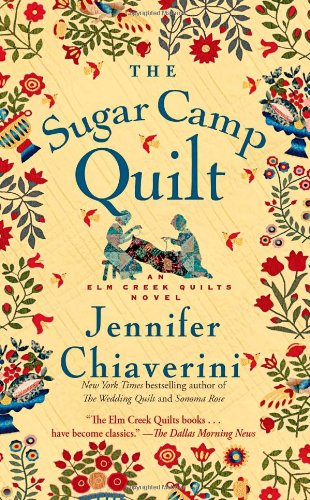


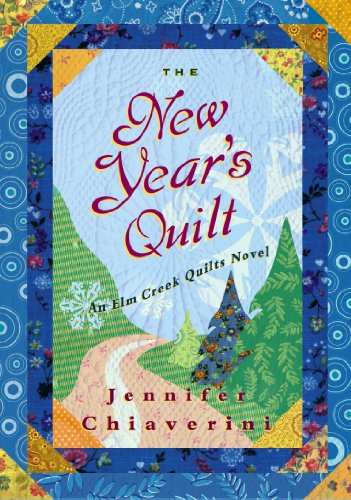


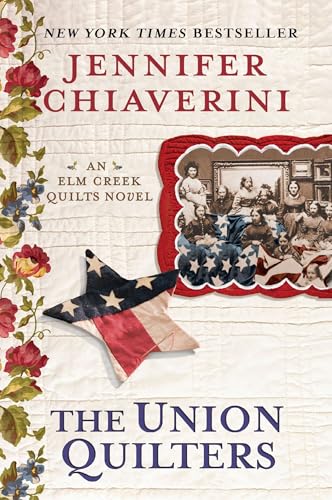


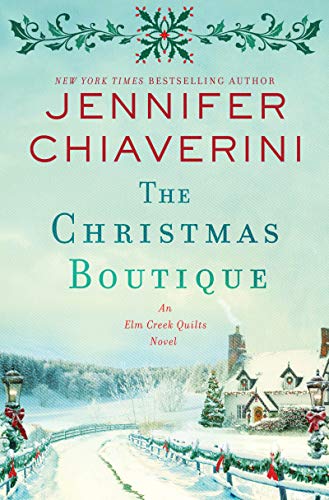


Publication Order of Elm Creek Quilts Short Stories/Novellas Books


About Elm Creek Quilts
Jennifer Chiaverini’s Elm Creek Quilts series is an interconnected collection of novels about quilting, friendship, family, and the stories preserved through handmade objects. Beginning with The Quilter’s Apprentice in 1999, the series is centered on Elm Creek Manor, a historic estate near the fictional town of Waterford, Pennsylvania. What starts as the story of an unlikely friendship between Sarah McClure and Sylvia Bergstrom Compson gradually expands across generations, following a large community of women whose lives intersect through the Elm Creek Quilters and their quilting camp.
In The Quilter’s Apprentice, Sarah moves to Waterford when her husband, Matt, accepts a new job. While struggling to establish a life in an unfamiliar town, she begins working for Sylvia, an elderly master quilter who has returned to Elm Creek Manor after decades away. Sylvia agrees to teach Sarah to quilt while Sarah helps her prepare the neglected estate for sale.
Their arrangement develops into a friendship that changes both women. Sarah becomes fascinated by Sylvia’s family history, while Sylvia begins reconsidering whether selling Elm Creek Manor is really what she wants. The idea that emerges from their friendship—transforming the estate into a retreat for quilters—provides the foundation for much of the series.
The Elm Creek Quilters eventually form an ensemble whose experiences allow Chiaverini to explore very different lives within the same fictional community. Rather than keeping Sarah as the sole protagonist, later novels shift attention among characters including Sylvia, Gwen Sullivan, Summer Sullivan, Judy Jackson, Bonnie Markham, Diane Sonnenberg, and others connected to the manor. Marriages, motherhood, careers, illness, family disagreements, financial difficulties, and changing friendships unfold alongside quilting projects and the operation of Elm Creek Quilt Camp.
Individual quilts frequently carry narrative significance. Patterns may preserve memories, represent relationships, contain clues about family history, or connect characters separated by decades. Chiaverini uses the process of assembling fabric from separate pieces as a recurring metaphor for the series itself: individual lives gradually form a larger design when their connections become visible.
The books do not remain entirely in the contemporary period. Historical installments expand the Bergstrom family story and connect Elm Creek Manor to earlier generations. The Runaway Quilt, for example, leads Sylvia into family history connected with the Underground Railroad, while The Lost Quilter develops the story of Joanna, an enslaved woman whose experiences had previously emerged through Sylvia’s research. Other novels move through the Civil War era and different periods of American history.
This movement between past and present makes the series broader than conventional craft-centered women’s fiction. Quilting provides continuity, but Chiaverini also explores abolition, slavery, war, social change, migration, and women’s work. Historical events are frequently approached through domestic and personal experiences rather than through political leaders or battlefields.
Some installments concentrate on particular members of the Elm Creek community, while others gather multiple characters around shared events. The Quilter’s Legacy delves further into Sylvia’s family history; The Master Quilter examines the group from several perspectives; and The Wedding Quilt uses a major family occasion to look both backward at relationships that have developed and forward toward the characters’ futures.
The chronology is therefore not perfectly linear. Certain novels are historical narratives or explore events that precede books published earlier. Nevertheless, publication order is generally the strongest way to experience Elm Creek Quilts for the first time. Chiaverini deliberately reveals family histories and relationships over time, and chronological rearrangement can weaken discoveries intended to emerge gradually.
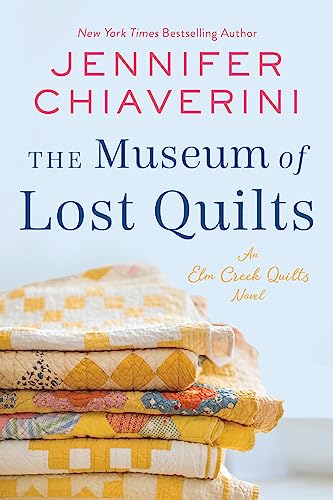
After a long interval, Chiaverini returned to the series with The Museum of Lost Quilts in 2024. The novel brings Sarah back to Elm Creek Manor and centers on plans for a quilt museum, reconnecting the contemporary story with the series’ enduring fascination with preservation, provenance, and forgotten histories.
Although individual Elm Creek novels often have their own central stories, the series gains much of its emotional weight through accumulation. Characters age, relationships change, younger generations grow into larger roles, and information about earlier generations reshapes the reader’s understanding of the manor and the families associated with it.
The Elm Creek Quilts series ultimately treats quilting as a form of storytelling. Fabric can preserve evidence of people who might otherwise disappear from history, while patterns passed between generations become records of friendship, hardship, creativity, and survival. Elm Creek Manor provides the physical center of that idea: a place where separate people arrive with their own stories and, through the community they create, become part of a much larger pattern.