
Below is the complete list of Edmund White books in order. For each series, the chronological reading order is the same as the order of publication.
Publication Order of The Edmund Trilogy Books


Publication Order of Writer and the City Books

Publication Order of Standalone Books





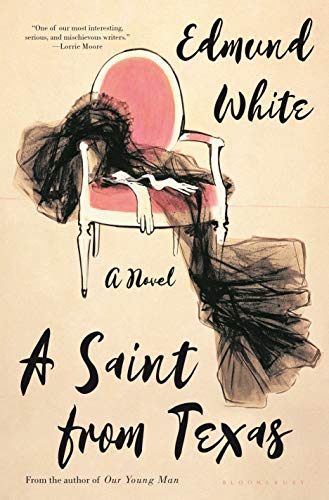


Publication Order of Plays Books

Publication Order of Collections Books


Publication Order of Graphic Novels Books
with Michael Carroll, Brian Alessandro

Publication Order of Non-Fiction Books


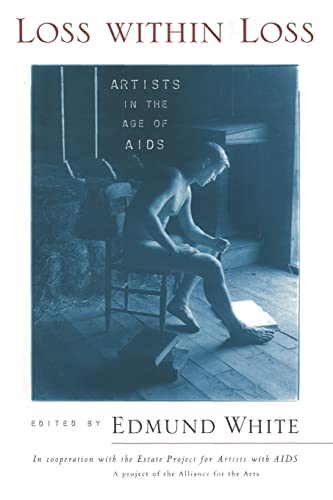


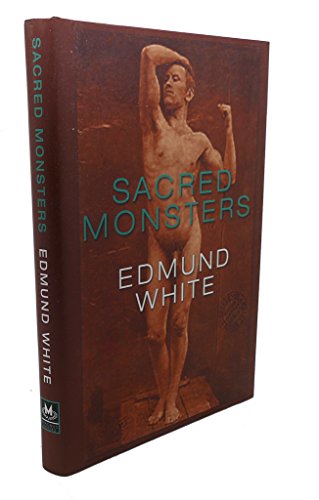


Publication Order of Adam Mars-Jones Collections Books
with Adam Mars-Jones

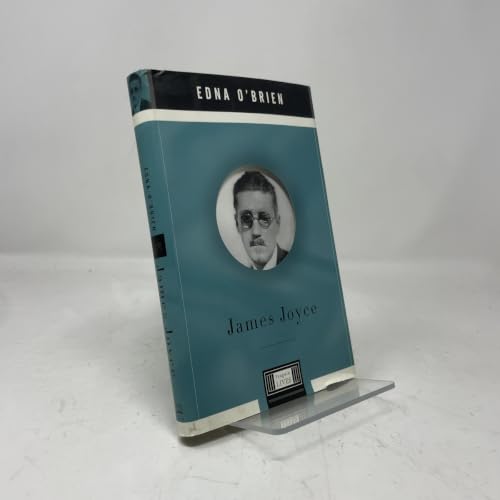
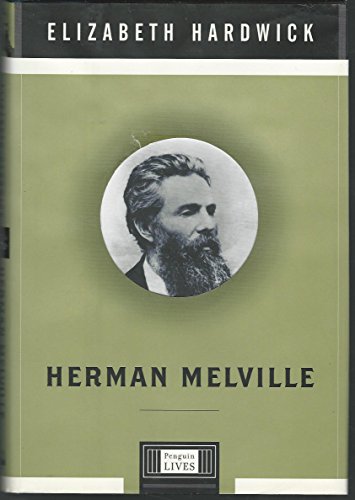
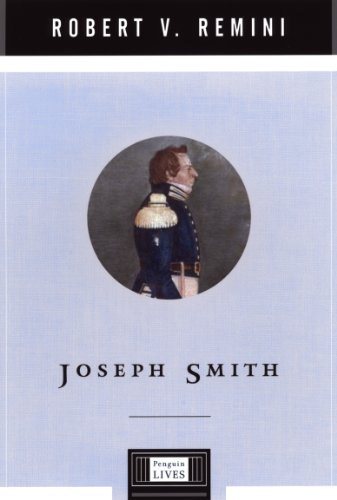
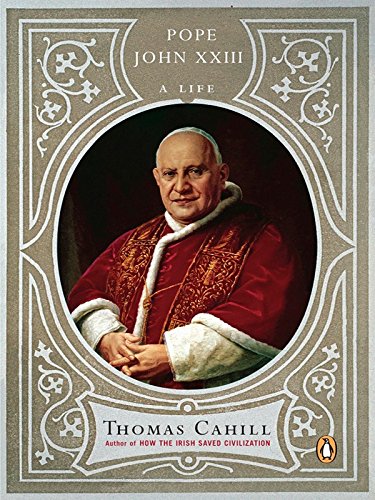
Publication Order of Penguin Lives Books









About Edmund White
Edmund White was an American novelist, memoirist, biographer, essayist, and critic whose writing became central to the development of modern gay literature. Across more than thirty books, he chronicled gay life before and after Stonewall, the cultural freedom of the 1970s, the devastation of the AIDS epidemic, expatriate life in Paris, literary friendship, aging, desire, and the changing possibilities available to gay men over more than half a century. His work moved freely between autobiography and fiction, often drawing closely on experience while maintaining the formal ambitions of literary fiction.
Born in Cincinnati, Ohio, in 1940, White spent much of his childhood near Chicago after his parents divorced. He studied Chinese at the University of Michigan before moving to New York, where he worked in publishing and became immersed in the city’s literary and gay communities. During the late 1970s he joined Andrew Holleran, Felice Picano, Robert Ferro, Michael Grumley, Christopher Cox, and George Whitmore in the informal writers’ group known as the Violet Quill, whose members played an important role in establishing openly gay American fiction as a recognizable literary movement.
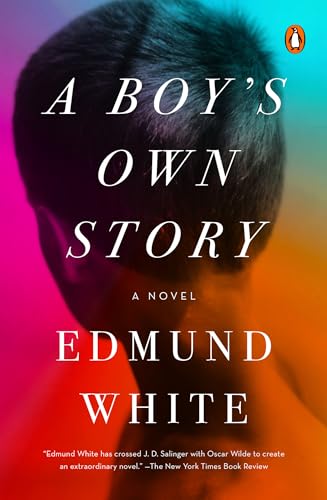
White’s early novels included Forgetting Elena and Nocturnes for the King of Naples, but A Boy’s Own Story became one of the defining books of his career. Published in 1982, it transformed elements of his own adolescence into the story of a young gay man growing up in the 1950s. White continued that autobiographical project in The Beautiful Room Is Empty and The Farewell Symphony, creating a trilogy that moves from adolescence through adult gay life and ultimately into the catastrophic losses caused by AIDS.
The epidemic profoundly shaped both White’s life and writing. He was diagnosed HIV-positive in 1985 and had already helped found Gay Men’s Health Crisis in New York in 1982. Friends, writers, lovers, and contemporaries died around him, and the disappearance of an entire social world became one of the emotional foundations of The Farewell Symphony and several of his memoirs.
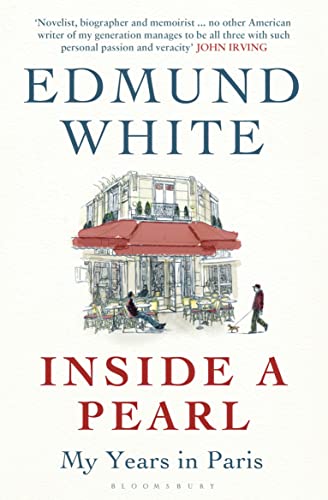
White was equally accomplished in nonfiction. States of Desire recorded gay communities across the United States shortly before the AIDS crisis transformed them. His memoirs include City Boy, about literary and cultural New York, and Inside a Pearl, which reflects on the years he spent living in Paris. His final memoir, The Loves of My Life, appeared in 2025 and returned candidly to relationships and experiences that had informed his writing throughout his career.
As a literary biographer, White produced major studies of three French writers who fascinated him: Jean Genet, Marcel Proust, and Arthur Rimbaud. His extensive Genet won the National Book Critics Circle Award for Biography and demonstrated that his reputation extended well beyond autobiographical fiction.
White taught creative writing at several institutions and joined Princeton University in 1999, later becoming professor emeritus. His honors included the PEN/Saul Bellow Award for Achievement in American Fiction and the National Book Foundation’s 2019 Medal for Distinguished Contribution to American Letters.
His final novel, The Humble Lover, appeared in 2025. White died at his Manhattan home on June 3, 2025, aged eighty-five. His bibliography remains remarkable for its continuity: few American writers documented gay experience across such enormous social change with comparable candor, humor, literary sophistication, and sustained attention to the private lives behind public history.