
Below is the complete list of Michael Crichton books in order. For each series, the chronological reading order is the same as the order of publication.
Publication Order of Andromeda Books


Publication Order of Jurassic Park Books


Publication Order of Standalone Books
- Odds On (1966)
(As: John Lange)
Odds On was published in 1966 and is listed as book #1 in the Standalone series. 


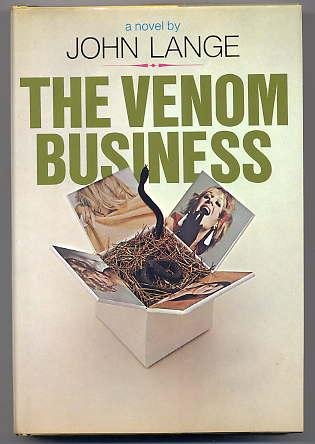


- Binary (1972)
(As: John Lange)
Binary was first published in 1972; within the Standalone series, it is listed as book #10. 




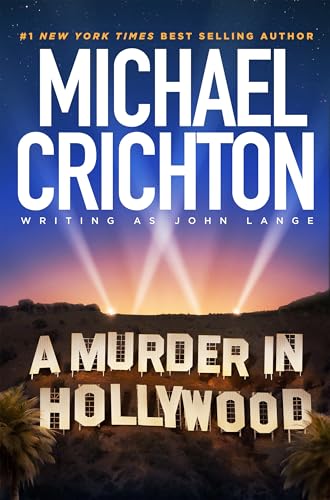
Publication Order of Non-Fiction Books


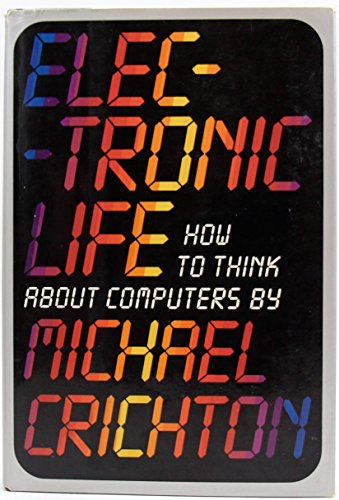

Publication Order of Scripts Books
with Anne-Marie Martin


About Michael Crichton
Michael Crichton was an American novelist, screenwriter, director, producer, and physician whose work helped define the modern techno-thriller. His novels joined scientific or technical ideas with clear exposition, escalating danger, and characters forced to confront systems they could no longer control. Biotechnology, artificial intelligence, medicine, aviation, corporate power, environmental manipulation, and the commercial exploitation of nature all became material for suspense in a career that moved easily between publishing, cinema, and television.
Born John Michael Crichton in Chicago in 1942, he grew up on Long Island and attended Harvard College, graduating summa cum laude in 1964. He later received his medical degree from Harvard Medical School in 1969 and completed postdoctoral work at the Salk Institute, but he chose writing and filmmaking rather than medical practice. His education remained central to his fiction, giving him the vocabulary and analytical habits needed to explain complicated subjects without slowing the narrative.
Crichton began publishing while still a student. Several early paperback thrillers appeared under the name John Lange, while A Case of Need was published as Jeffery Hudson and won an Edgar Award. He also collaborated with his brother Douglas on Dealing, using the shared name Michael Douglas. These books reveal a younger writer experimenting with heists, medical ethics, international crime, and tightly constructed adventure before establishing the more recognizable Crichton style under his own name.
The Andromeda Strain became his breakthrough in 1969. Its documentary-like treatment of an extraterrestrial microorganism showed how convincingly he could turn research, diagrams, institutional procedure, and scientific uncertainty into suspense. Later novels expanded that method across different fields. The Terminal Man examined experimental neurosurgery, Congo combined technology with exploration, Sphere placed psychological instability inside an underwater scientific mission, and Airframe built a mystery around aviation engineering and corporate pressure.
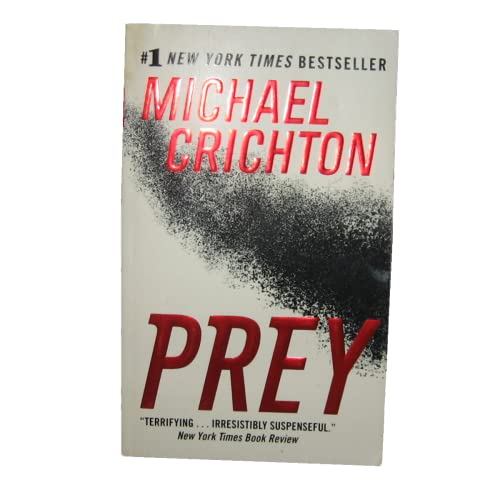
His most influential novel, Jurassic Park, transformed genetic engineering and chaos theory into a story about resurrected dinosaurs and a theme park whose creators mistake technical ability for control. The book produced a direct sequel, The Lost World, and became the foundation of a major screen franchise. Other prominent works include The Great Train Robbery, Eaters of the Dead, Rising Sun, Disclosure, Timeline, Prey, and Next. Although these novels differ widely in setting, many question the confidence of experts, corporations, or institutions that assume complex systems will behave as intended.
Crichton was equally significant on screen. He wrote and directed Westworld, whose malfunctioning entertainment park anticipated concerns later developed in Jurassic Park, and directed films including Coma and The Great Train Robbery. He also created ER, drawing on his medical training to shape its fast, overlapping depiction of emergency-room work. His unusual reach across media made him one of the few storytellers whose books, films, and television work could dominate popular culture simultaneously.
After his death in 2008, additional material continued to appear. Pirate Latitudes and Dragon Teeth were published from completed manuscripts, while Richard Preston finished Micro using Crichton’s draft and notes. James Patterson later completed Eruption from an unfinished manuscript and extensive research. These posthumous works broaden an already varied bibliography, but his lasting identity remains clearest in the novels that make technical progress feel exhilarating, plausible, and dangerously beyond human command.