Penguin Lives Books In Order

Below is the complete list of Thomas Keneally’s Penguin Lives books in order. For this series, the chronological reading order is the same as the order of publication.

Publication Order of Penguin Lives Books

  1. Abraham Lincoln (1960)
    by Thomas Keneally
    Abraham Lincoln was published in 1960 and is listed as book #1 in the Penguin Lives series.
  2. Mao Zedong: A Life (1999)
    (By Jonathan D. Spence)
    Published in 1999, Mao Zedong: A Life is listed as book #2 in the Penguin Lives series.
  3. Mozart: A Life (1999)
    (By Peter Gay)
    Mozart: A Life is a 1999 release and appears as book #3 in the Penguin Lives series.
  4. Marcel Proust (1999)
    (By Edmund White)
    In the Penguin Lives series, Marcel Proust is book #4 and was published in 1999.
  5. Crazy Horse (1999)
    (By Larry McMurtry)
    Crazy Horse was first published in 1999; within the Penguin Lives series, it is listed as book #5.
  6. Saint Augustine (1999)
    (By Garry Wills)
    Saint Augustine was published in 1999 and is listed as book #6 in the Penguin Lives series.
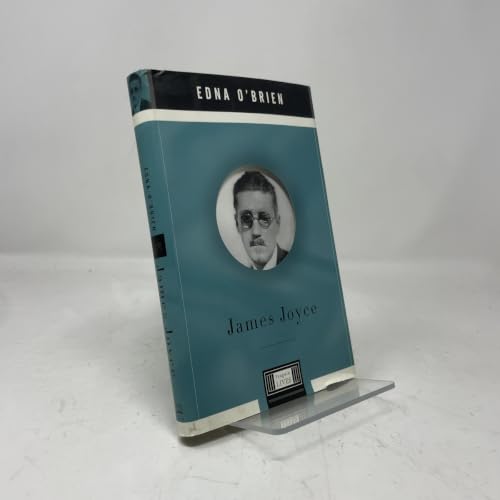
  7. James Joyce (1999)
    (By Edna O’Brien)
    Published in 1999, James Joyce is listed as book #7 in the Penguin Lives series.
  8. Rosa Parks (2000)
    (By Douglas Brinkley)
    Rosa Parks is a 2000 release and appears as book #8 in the Penguin Lives series.
  9. Virginia Woolf (2000)
    (By Nigel Nicolson)
    In the Penguin Lives series, Virginia Woolf is book #9 and was published in 2000.
  10. Woodrow Wilson (2000)
    (By Louis Auchincloss)
    Woodrow Wilson was first published in 2000; within the Penguin Lives series, it is listed as book #10.
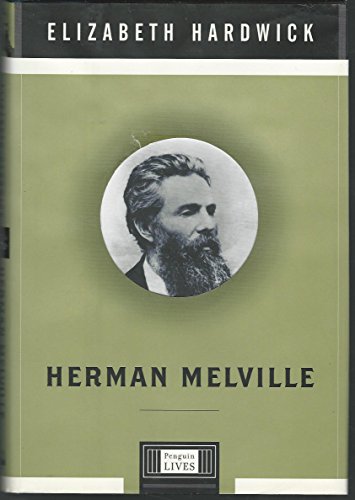
  11. Herman Melville (2000)
    (By Elizabeth Hardwick)
    Herman Melville was published in 2000 and is listed as book #11 in the Penguin Lives series.
  12. Leonardo da Vinci: A Life (2000)
    (By Sherwin B. Nuland)
    Published in 2000, Leonardo da Vinci: A Life is listed as book #12 in the Penguin Lives series.
  13. Dante (2001)
    (By R.W.B. Lewis)
    Dante is a 2001 release and appears as book #13 in the Penguin Lives series.
  14. Jane Austen (2001)
    (By Carol Shields)
    In the Penguin Lives series, Jane Austen is book #14 and was published in 2001.
  15. Buddha (2001)
    (By Karen Armstrong)
    Buddha was first published in 2001; within the Penguin Lives series, it is listed as book #15.
  16. Simone Weil (2001)
    (By Francine du Plessix Gray)
    Simone Weil was published in 2001 and is listed as book #16 in the Penguin Lives series.
  17. Andy Warhol: A Biography (2001)
    (By Wayne Koestenbaum)
    Published in 2001, Andy Warhol: A Biography is listed as book #17 in the Penguin Lives series.
  18. Martin Luther King, Jr.: A Life (2001)
    (By Marshall Frady)
    Martin Luther King, Jr.: A Life is a 2001 release and appears as book #18 in the Penguin Lives series.
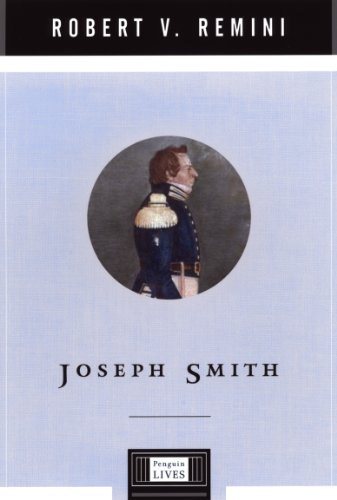
  19. Joseph Smith (2002)
    (By Robert V. Remini)
    In the Penguin Lives series, Joseph Smith is book #19 and was published in 2002.
  20. Winston Churchill: A Life (2002)
    (By John Keegan)
    Winston Churchill: A Life was first published in 2002; within the Penguin Lives series, it is listed as book #20.
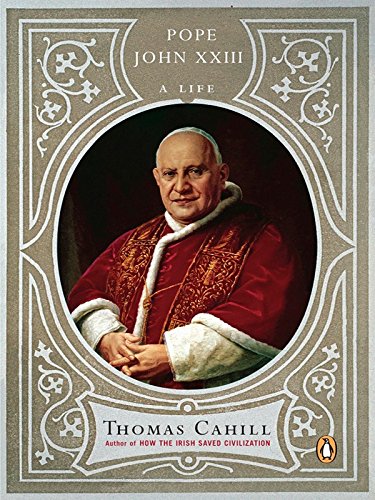
  21. Pope John XXIII (2002)
    (By Thomas Cahill)
    Pope John XXIII was published in 2002 and is listed as book #21 in the Penguin Lives series.
  22. Charles Dickens (2002)
    (By Jane Smiley)
    Published in 2002, Charles Dickens is listed as book #22 in the Penguin Lives series.
  23. Elvis Presley (2002)
    (By Bobbie Ann Mason)
    Elvis Presley is a 2002 release and appears as book #23 in the Penguin Lives series.
  24. Saint Therese of Lisieux (2003)
    (By Kathryn Harrison)
    In the Penguin Lives series, Saint Therese of Lisieux is book #24 and was published in 2003.
  25. Robert E. Lee (2003)
    (By Roy Blount Jr.)
    Robert E. Lee was first published in 2003; within the Penguin Lives series, it is listed as book #25.
  26. Frank Lloyd Wright: A Life (2004)
    (By Ada Louise Huxtable)
    Frank Lloyd Wright: A Life was published in 2004 and is listed as book #26 in the Penguin Lives series.
  27. George Herbert Walker Bush (2004)
    (By Tom Wicker)
    Published in 2004, George Herbert Walker Bush is listed as book #27 in the Penguin Lives series.
  28. Napoleon (2006)
    (By Paul Johnson)
    Napoleon is a 2006 release and appears as book #28 in the Penguin Lives series.
  29. Julia Child (2007)
    (By Laura Shapiro)
    In the Penguin Lives series, Julia Child is book #29 and was published in 2007.
  30. Joan of Arc (2008)
    (By Mary Gordon)
    Joan of Arc was first published in 2008; within the Penguin Lives series, it is listed as book #30.
  31. Martin Luther (2008)
    (By Martin E. Marty)
    Martin Luther was published in 2008 and is listed as book #31 in the Penguin Lives series.
  32. Branch Rickey: A Life (2011)
    (By Jimmy Breslin)
    Published in 2011, Branch Rickey: A Life is listed as book #32 in the Penguin Lives series.

About Penguin Lives

Penguin Lives is a multi-author biography collection rather than a series written by Thomas Keneally alone. Conceived by biographer and editor James Atlas, the project paired accomplished writers, historians, critics, and journalists with major historical or cultural figures and asked them to produce unusually concise biographies. Keneally’s contribution is Abraham Lincoln, published in 2002, a compact study of the sixteenth American president written with the narrative instincts of an author already well established in historical fiction and narrative history.

The series began in 1999 with a deliberately different approach to biography. Instead of attempting exhaustive cradle-to-grave studies running to hundreds of thousands of words, Penguin Lives volumes were designed to capture the essential character, achievements, contradictions, and historical significance of their subjects within a relatively short format. The pairing of writer and subject was therefore particularly important: the books were intended to reflect an individual author’s interpretation rather than function as standardized reference biographies.

That approach produced an unusually varied roster. Larry McMurtry wrote about Crazy Horse, Edmund White examined Marcel Proust, Peter Gay took on Mozart, Mary Gordon wrote about Joan of Arc, and John Keegan considered Winston Churchill. Other subjects ranged from Martin Luther and Leonardo da Vinci to Napoleon, James Joyce, Elvis Presley, and Pope John XXIII. The common element was not period or profession but the attempt to make a consequential life accessible without reducing it to a chronology of famous events.

Keneally’s Abraham Lincoln fits comfortably within that philosophy. Lincoln had already been the subject of an enormous biographical literature, so Keneally was not trying to replace the definitive scholarly studies. Instead, he compresses Lincoln’s development from impoverished frontier childhood through self-education, law, political advancement, the presidency, the Civil War, emancipation, and assassination into a sharply focused portrait.

Keneally is particularly interested in the human being behind the accumulated national mythology. Lincoln appears as a gifted storyteller and political strategist but also as a man formed by hardship, ambition, melancholy, family difficulties, and the extraordinary pressures of leading a country through civil war. His changing position on slavery and his determination to preserve the Union are treated within the political realities of his time rather than as inevitable steps toward the historical reputation he later acquired.

The choice of Keneally was significant given his own longstanding interest in people facing moral crises within violent historical circumstances. Novels such as Schindler’s Ark and nonfiction including American Scoundrel had already shown his fascination with complicated individuals whose actions become inseparable from major historical events. Lincoln offered another opportunity to consider character under extreme political and moral pressure, though within the deliberately compressed boundaries of the Penguin Lives format.

Some bibliographies can make the Penguin Lives connection misleading because Keneally appears beside numerous other authors under the same series heading. His Abraham Lincoln is his single contribution to that collective project, not the beginning of a Keneally-written sequence.

Penguin Lives is therefore best understood as a publishing concept built around literary interpretation. Its books share format and purpose rather than characters or chronology, with each writer providing a concentrated perspective on one significant life. Keneally’s Lincoln occupies one place within that much broader gallery of political leaders, artists, thinkers, religious figures, and cultural icons.

Leave a Reply

Your email address will not be published. Required fields are marked *