
Below is the complete list of Terry Pratchett’s Discworld books in order. For this series, the chronological reading order is the same as the order of publication.
Publication Order of Discworld Books










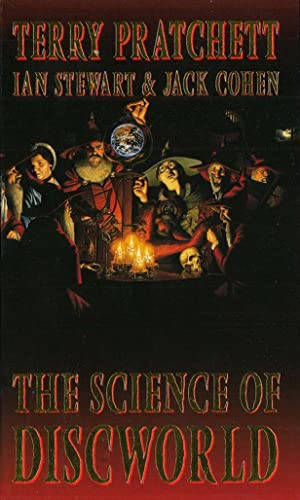
Publication Order of Science Of Discworld Books
with Ian Stewart, Jack Cohen


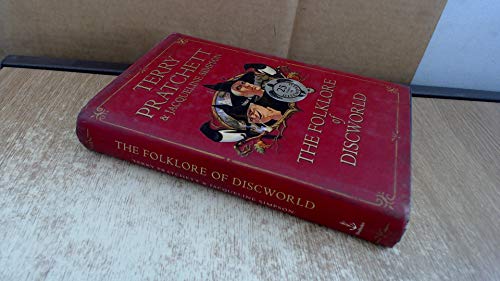
Publication Order of Discworld Companion Books




Publication Order of Discworld Graphic Novels Books


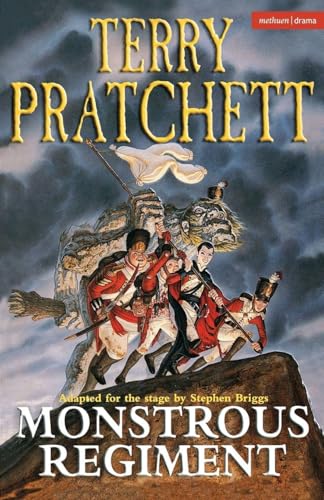
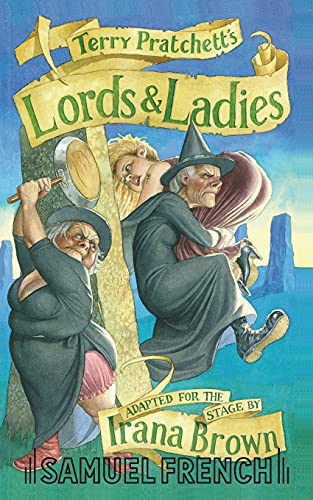
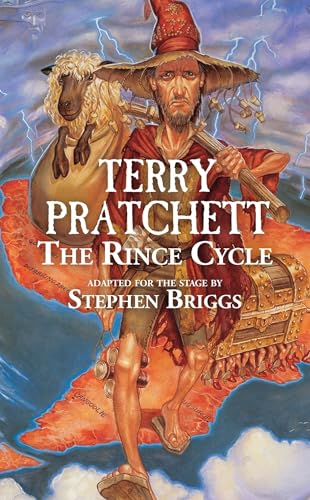
Publication Order of Discworld Plays Books
with Stephen Briggs








Publication Order of Discworld Picture Books


About Discworld
Terry Pratchett’s Discworld is one of the great comic fantasy achievements of modern fiction: a forty-one-novel sequence set on a flat world carried through space by four elephants standing on the back of the giant turtle Great A’Tuin. What began with The Colour of Magic as a sharp parody of fantasy conventions grew into a vast, humane, and increasingly sophisticated satire of civilization itself. Across more than three decades, Pratchett used wizards, witches, guards, gods, vampires, golems, trolls, dwarfs, journalists, bankers, tyrants, and ordinary citizens to examine power, belief, law, work, prejudice, technology, death, and the absurd resilience of people.
The series can look intimidating because Discworld is not a single linear saga with one hero and one plot. It is better understood as a shared world made up of several overlapping strands. The early Rincewind books, beginning with The Colour of Magic and The Light Fantastic, are closest to open fantasy parody, following a cowardly wizard whose talent for survival is stronger than his talent for magic. Those books introduce the world’s comic physics and narrative wildness, but they are only one part of what Discworld becomes.
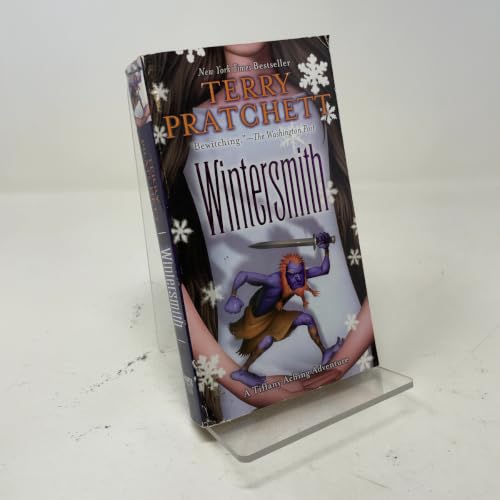
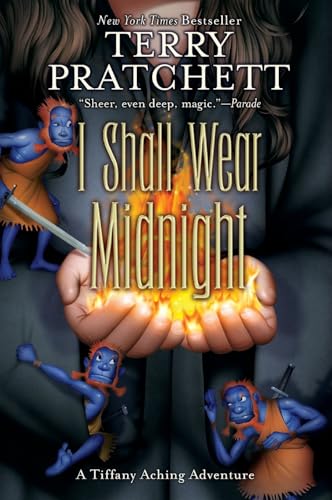
The Witches novels, associated above all with Granny Weatherwax, Nanny Ogg, Magrat Garlick, and later Tiffany Aching, move the series toward folklore, rural power, moral responsibility, and the difference between looking magical and doing what needs to be done. Books such as Wyrd Sisters, Witches Abroad, and Lords and Ladies use fairy tales and Shakespearean echoes while developing some of Pratchett’s strongest ideas about stories, authority, and personal choice. Tiffany’s books, beginning with The Wee Free Men, bring those concerns into a coming-of-age shape without losing the series’ adult intelligence.
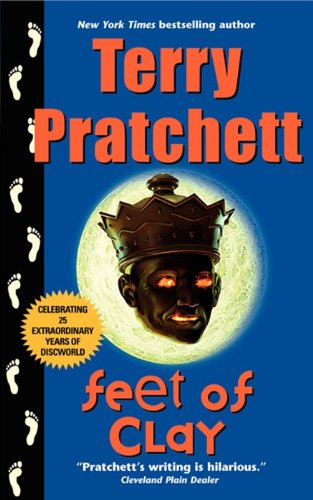
The City Watch strand is often the strongest route into Pratchett’s mature Discworld. Beginning with Guards! Guards!, it follows Sam Vimes and the Ankh-Morpork Watch as a joke about useless fantasy city guards becomes a serious, funny, and morally rich sequence about policing, law, class, corruption, multicultural cities, and personal discipline. Men at Arms, Feet of Clay, The Fifth Elephant, and Night Watch show how deeply Pratchett could turn comic fantasy into civic drama.
The Death books form another major strand. Death himself, with his dry curiosity about human behavior, becomes one of Pratchett’s most memorable figures, while Susan Sto Helit brings a sharper human perspective to that metaphysical corner of the world. These novels use humor to approach mortality, duty, memory, belief, and the rituals people create to make life bearable.
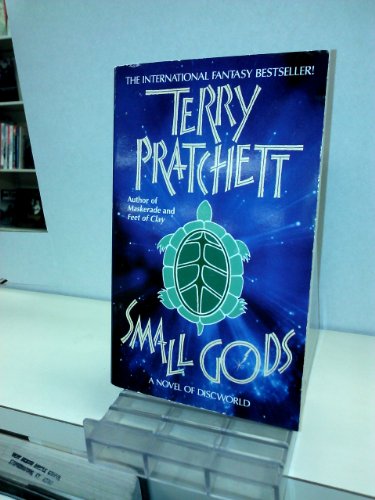
Later Discworld also becomes increasingly concerned with institutions and modernization. The Moist von Lipwig books, beginning with Going Postal, turn the post office, banking, and railways into arenas for con artistry, reform, and public trust. Standalone or loosely connected novels such as Small Gods, Pyramids, Moving Pictures, and The Truth explore religion, empire, cinema, journalism, and social change from different angles.
Publication order shows Pratchett’s growth most clearly, from parody toward mature satire, but many readers also follow the character strands because Discworld’s internal structure is modular. The important point is that the books deepen as they accumulate. Ankh-Morpork evolves, old jokes become institutions, minor peoples gain histories, and comic premises turn into serious moral arguments.
The final novel, The Shepherd’s Crown, brings the sequence to a close through Tiffany Aching and the witch tradition, making the ending feel intimate rather than merely encyclopedic. Discworld endures because it is never only funny and never only fantastical. It is a world of jokes that understand grief, nonsense that reveals order, and fantasy that sees humanity with astonishing clarity.