
Below is the complete list of Charlaine Harris books in order. For each series, the chronological reading order is the same as the order of publication.
Publication Order of Aurora Teagarden Books





Publication Order of Lily Bard Books


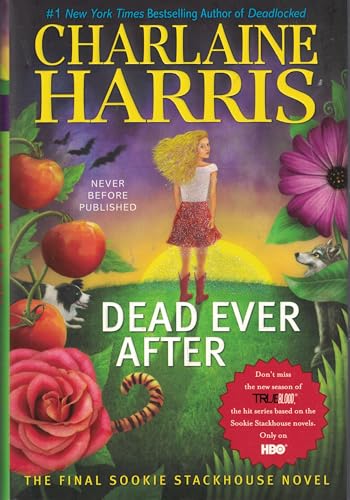
Publication Order of Sookie Stackhouse Books


- In the Blue Hereafter (2002)
In the Blue Hereafter is a 2002 release and appears as book #3 in the Sookie Stackhouse series. 

- Fairy Dust (2004)
Fairy Dust was published in 2004 and is listed as book #6 in the Sookie Stackhouse series. 

- Small-Town Wedding (2006)
In the Sookie Stackhouse series, Small-Town Wedding is book #9 and was published in 2006. 


- Lucky (2009)
Lucky was first published in 2009; within the Sookie Stackhouse series, it is listed as book #15. - Two Blondes (2009)
Two Blondes was published in 2009 and is listed as book #16 in the Sookie Stackhouse series. 



Publication Order of Sookie Stackhouse Collections Books

- Games Creatures Play (2014)
Published in 2014, Games Creatures Play is listed as book #2 in the Sookie Stackhouse Collections series. 
Publication Order of Sookie Stackhouse Companion Books

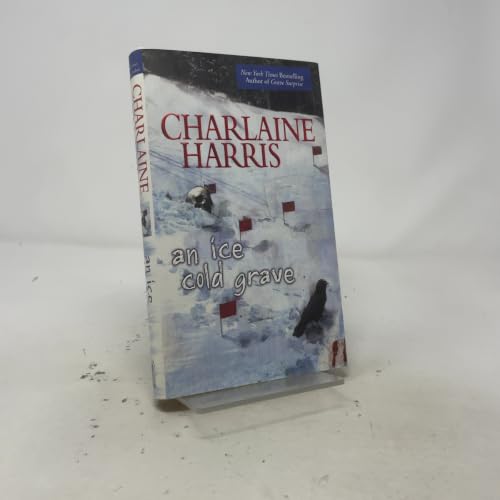
Publication Order of Harper Connelly Books



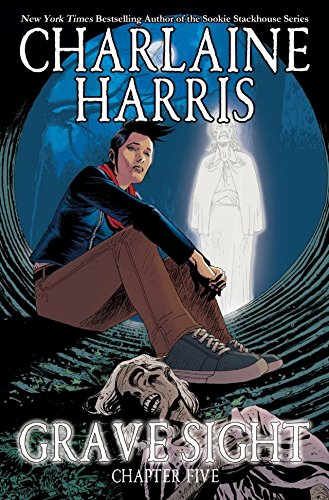
Publication Order of Harper Connelly/Grave Sight Graphic Novels Books



Publication Order of Midnight, Texas Books


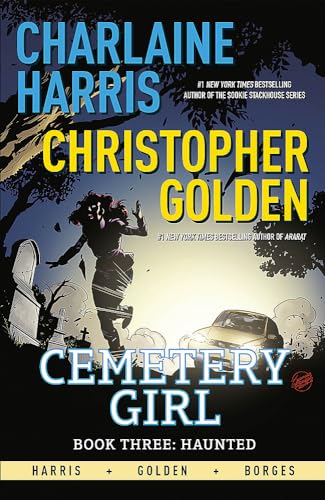
Publication Order of The Cemetery Girl Trilogy Books
with Christopher Golden


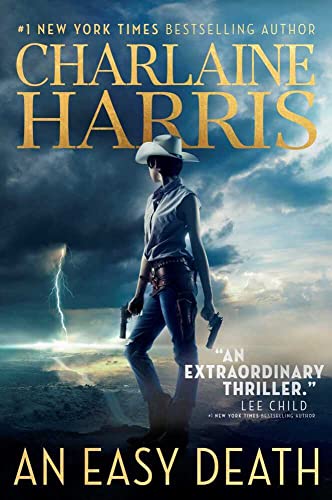
Publication Order of Gunnie Rose Books


Publication Order of Standalone Books


Publication Order of Short Stories/Novellas Books


Publication Order of Short Story Collections Books

Publication Order of Harper Connelly Graphic Novels Books
with William Harms


About Charlaine Harris
Charlaine Harris is an American novelist whose career has moved with unusual ease between mystery, urban fantasy, and supernatural suspense. She is best known for creating the Sookie Stackhouse novels, the series that became HBO’s True Blood, but that success sits inside a much broader body of work. On her official site, Harris notes that by 2023 she had been a published writer for forty-two years, and her publisher pages describe a bibliography that includes multiple long-running series, standalones, short fiction, and graphic work.
She was born on November 25, 1951, in Tunica, Mississippi, and was raised in the Mississippi Delta, a regional background that still echoes through much of her fiction. That Southern sense of place matters. Even when Harris writes about vampires, psychics, or alternate histories, her books tend to feel anchored in recognizable communities with social codes, gossip networks, and old loyalties. Biographical references also note that she studied at Rhodes College in Memphis, where she earned a degree in English.
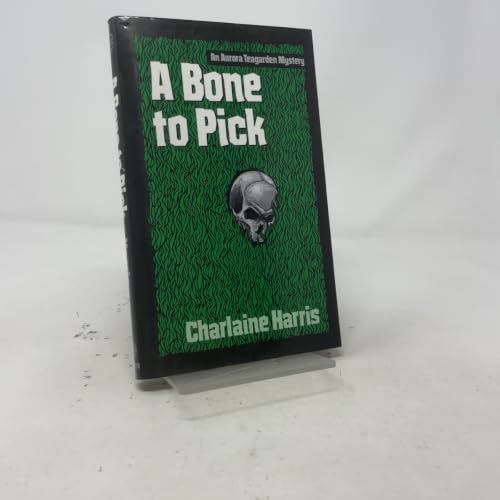
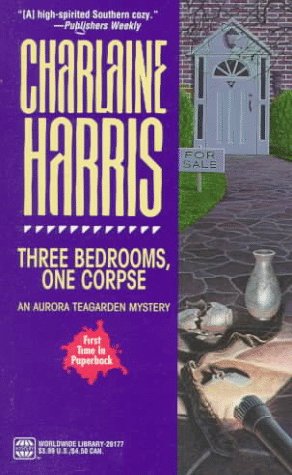
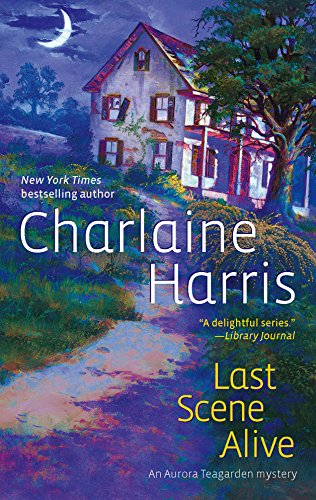
Before she became associated with fantasy, Harris built her name in mystery. Her official site and publisher biographies list early and continuing series such as the Aurora Teagarden mysteries and the Lily Bard books, both of which helped establish her as a dependable and distinctive voice in crime-oriented fiction. Those series are a useful reminder that Harris did not begin as a one-franchise writer. She came up through character-driven mystery, with recurring leads, small-town texture, and a strong instinct for balancing suspense with personality.
That background helps explain why the Sookie Stackhouse books worked so well when they arrived. They are often remembered for vampires and supernatural politics, but structurally they are also mysteries: there are crimes, hidden motives, social codes, and a heroine trying to make sense of dangerous people and unstable situations. Harris’s publisher biography notes that the Sookie Stackhouse novels appeared in dozens of languages and became the basis for True Blood, which pushed her work to a much larger international audience. The TV adaptation made her famous well beyond mystery readers, but the books themselves still carry the same strengths visible in her earlier work—sharp pacing, strong recurring characters, and a world that feels inhabited rather than decorative.
One of the most useful ways to understand Harris’s career is by series rather than by genre label alone. After Sookie, she continued building other worlds: the Harper Connelly novels, the Midnight, Texas books, the Cemetery Girl graphic novels created with Christopher Golden, and the Gunnie Rose series set in an alternate-history America. Her official site’s “Books by Series” page lays that range out clearly. She writes mystery, fantasy, and supernatural fiction, but the common thread is not genre mechanics so much as the way she builds communities around unusual premises.
What has kept Charlaine Harris durable is that she writes strange material in a grounded way. Telepaths, vampires, and alternate frontiers enter her fiction, but the books still care about work, family, resentment, desire, and the ordinary social friction of people living near one another. That is why her stories tend to feel inviting even when the premise is fantastical. Readers get the imaginative hook, but they stay for the voice and the people.
Read in order, her books show a writer who never stayed confined to one lane for long. Mystery gave her the foundation, supernatural fiction widened her audience, and later series proved she could keep reinventing the shape of her fictional worlds without losing the clarity and momentum that made her successful in the first place.