
Below is the complete list of Anne Rice books in order. For each series, the chronological reading order is the same as the order of publication.
Publication Order of Interview with the Vampire Books

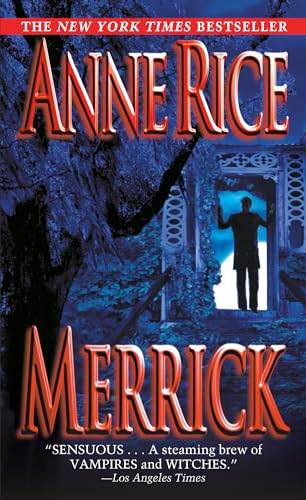
Publication Order of Lives of the Mayfair Witches Books


Publication Order of New Tales of the Vampires Books

Publication Order of Ramses the Damned Books


Publication Order of Sleeping Beauty Books
as A.N. Roquelaure


Publication Order of The Life of Christ Books
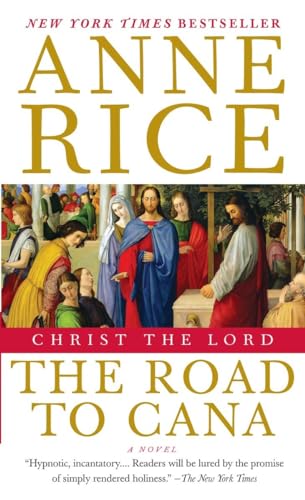
Publication Order of The Songs of the Seraphim Books


Publication Order of The Vampire Chronicles Books




Publication Order of The Wolf Gift Chronicles Books


Publication Order of Standalone Books


Publication Order of Graphic Novels Books



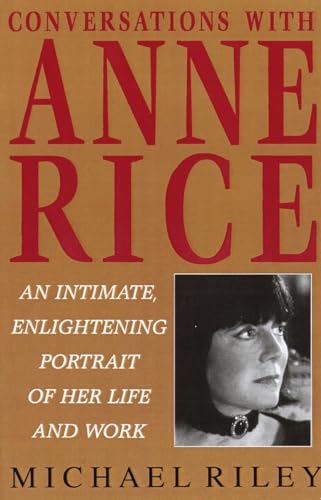
Publication Order of Non-Fiction Books

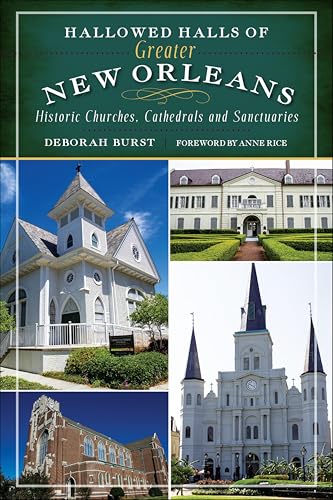
Publication Order of Landmarks Books
About Anne Rice
Anne Rice was an American novelist whose work reshaped modern vampire fiction by giving supernatural creatures psychological depth, moral conflict, erotic intensity, and a long memory of history. Born Howard Allen Frances O’Brien in New Orleans in 1941, she became internationally known through The Vampire Chronicles, beginning with Interview with the Vampire. Her fiction moved through horror, gothic romance, historical fantasy, religious fiction, and erotica, but her most lasting identity rests on lush, sensuous prose and characters who struggle with immortality, faith, guilt, desire, and the burden of being monstrous while still recognizably human.
New Orleans was central to Rice’s imagination. Its Catholic atmosphere, cemeteries, old houses, heat, music, and layered history gave many of her books their emotional and visual texture. She spent part of her childhood there before later living in Texas and California, and the city remained one of the great landscapes of her fiction. Her early life was also marked by religious intensity and later religious loss, an experience that strongly informed the spiritual conflict running through her novels. She was raised Catholic, left the church for many years, returned publicly to Catholic faith in the late 1990s, and later distanced herself from organized Christianity while continuing to speak of belief in God.
Her breakthrough came in 1976 with Interview with the Vampire, a novel that began as a short story and was shaped by grief after the death of her young daughter, Michele. The book introduced Louis de Pointe du Lac, the child vampire Claudia, and Lestat de Lioncourt, who would become Rice’s most iconic creation. Unlike earlier vampire fiction focused largely on fear, invasion, or external menace, Rice’s vampires told their own stories. They were seductive, articulate, tormented, vain, lonely, and philosophical, as interested in beauty and meaning as in blood.
The Vampire Chronicles expanded that world through novels such as The Vampire Lestat, The Queen of the Damned, The Tale of the Body Thief, Memnoch the Devil, and later books that deepened the mythology around ancient vampires, immortality, and supernatural origins. Lestat gradually shifted from antagonist to narrator, antihero, and central consciousness of the series. Rice’s treatment of him—flamboyant, wounded, theatrical, hungry for experience and transcendence—helped make him one of the defining figures of contemporary gothic fiction.
Rice also created connected supernatural series beyond the vampires. The Lives of the Mayfair Witches, beginning with The Witching Hour, explores a powerful New Orleans family haunted by inheritance, desire, and the spirit Lasher. Later books brought the vampires and Mayfair witches into overlapping continuity. She also wrote the Wolf Gift Chronicles, the Ramses the Damned novels, and the Songs of the Seraphim, showing her continued interest in beings caught between human limitation and supernatural power.
Her bibliography includes work published under other names. As A. N. Roquelaure, she wrote the Sleeping Beauty erotic novels, and as Anne Rampling she published erotic fiction including Exit to Eden and Belinda. These books belong to a different part of her career, but they share her fascination with desire, power, transformation, and forbidden experience.
Anne Rice died in 2021, leaving a body of work that remains central to gothic and paranormal fiction. Her novels are best understood not simply as horror, but as grand emotional arguments about the soul. Across vampires, witches, angels, mummies, and werewolves, she returned again and again to the same haunting questions: what it means to live forever, what beauty costs, whether evil can repent, and whether longing itself is a form of faith.