
Below is the complete list of Robin Hobb books in order. For each series, the chronological reading order is the same as the order of publication.
Publication Order of Farseer Books


Publication Order of Fitz and The Fool Trilogy Books


Publication Order of Liveship Traders Books


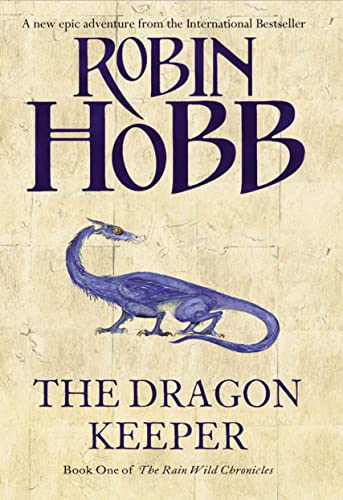
Publication Order of Rain Wild Chronicles Books


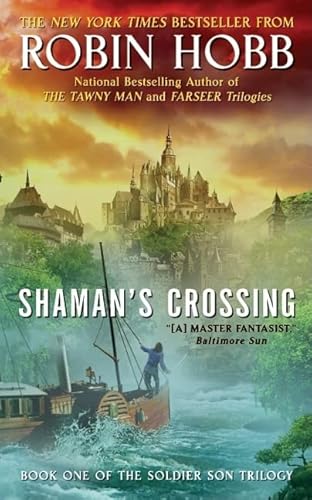
Publication Order of Soldier Son Trilogy Books


Publication Order of Tawny Man Books


Publication Order of Short Story Collections Books

About Robin Hobb
Robin Hobb is the best-known pen name of American fantasy author Margaret Astrid Lindholm Ogden, who has also published extensively as Megan Lindholm. She is most closely associated with the Realm of the Elderlings, a sixteen-book epic fantasy sequence built from several connected subseries, including the Farseer Trilogy, Liveship Traders Trilogy, Tawny Man Trilogy, Rain Wild Chronicles, and Fitz and the Fool Trilogy. Her work is known for emotionally intense character development, long-form consequences, political complexity, distinctive magic systems, and an unusual willingness to let protagonists age, fail, grieve, and live with the cost of earlier choices.
Born in California in 1952, Lindholm spent part of her childhood in Alaska, an environment that later influenced the landscapes and practical details of some of her fiction. She began publishing professionally under the name Megan Lindholm, initially writing short fiction and fantasy novels before adopting the Robin Hobb name for a different strand of her work.
As Megan Lindholm, she produced books including the Windsingers sequence, the Ki and Vandien novels, and stand-alone works such as Wizard of the Pigeons. These books established her interest in unconventional fantasy settings, damaged or marginalized characters, and relationships that resist simple heroic formulas. The Lindholm novels remain a significant part of her bibliography and are distinct from the later Robin Hobb books rather than earlier installments of the Realm of the Elderlings.
The Robin Hobb name debuted with Assassin’s Apprentice in 1995. The novel introduced FitzChivalry Farseer, the illegitimate son of a royal prince who is raised at Buckkeep and trained as an assassin for the Farseer monarchy. Fitz possesses two forms of magic: the socially accepted Skill and the feared Wit, which allows profound bonds with animals. His story continues through Royal Assassin and Assassin’s Quest, establishing the political conflicts, emotional relationships, and magical foundations that shape much of Hobb’s later fiction.
Hobb then shifted the focus away from Fitz with the Liveship Traders Trilogy, beginning with Ship of Magic. Set primarily around Bingtown and the Rain Wilds, the books follow trading families, pirates, serpents, and sentient vessels called liveships. Although initially appearing separate from the Farseer story, the trilogy greatly expands the Realm of the Elderlings and introduces connections that become increasingly important later.
Fitz returns in the Tawny Man Trilogy, beginning with Fool’s Errand. His relationship with the enigmatic Fool becomes one of the central threads of Hobb’s wider saga. The two characters’ friendship, loyalty, disagreement, and shared history give the Realm of the Elderlings much of its emotional weight.
The Rain Wild Chronicles—Dragon Keeper, Dragon Haven, City of Dragons, and Blood of Dragons—develops consequences from the Liveship books and places dragons and their human keepers at the center of the story. Hobb finally returned to Fitz for the Fitz and the Fool Trilogy, beginning with Fool’s Assassin and concluding with Assassin’s Fate, bringing numerous characters and storylines from across the larger sequence together.
Publication order is particularly important for the Realm of the Elderlings. The individual subseries have their own identities, but later books reveal connections and consequences established far earlier. Skipping Liveship Traders or the Rain Wild Chronicles to follow only Fitz can leave significant parts of the later story without their intended context.
Hobb has also written outside the Realm of the Elderlings. Her Soldier Son Trilogy, beginning with Shaman’s Crossing, is a separate fantasy world exploring colonial expansion, cultural conflict, identity, and transformation.
What most distinguishes Hobb is her treatment of consequence. Victories rarely erase trauma, relationships change permanently, political decisions affect ordinary lives, and characters encountered as children may return decades later carrying the results of earlier events. Beneath the dragons, assassins, prophecies, and magic, her fiction is fundamentally concerned with memory, loyalty, identity, and the difficult question of what people owe one another after years of love, betrayal, and shared history.