
Below is the complete list of Tim LaHaye books in order. For each series, the chronological reading order is the same as the order of publication.
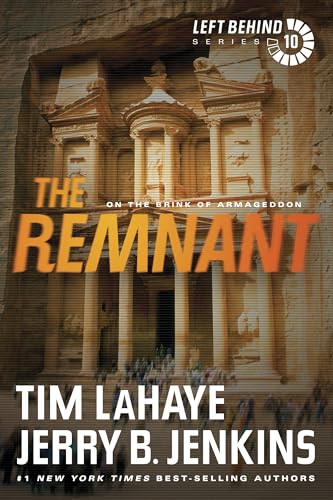
Publication Order of Left Behind Books
with Jerry B. Jenkins




Publication Order of Before They Were Left Behind Books
with Jerry B. Jenkins
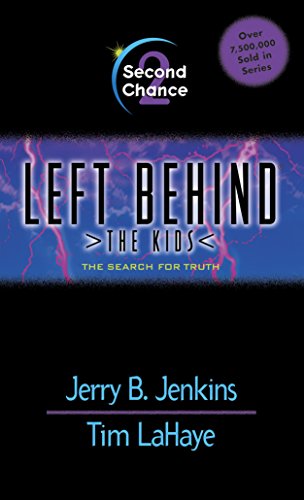
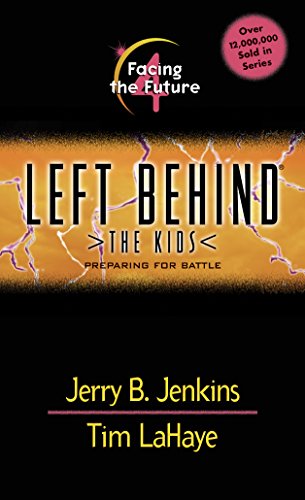
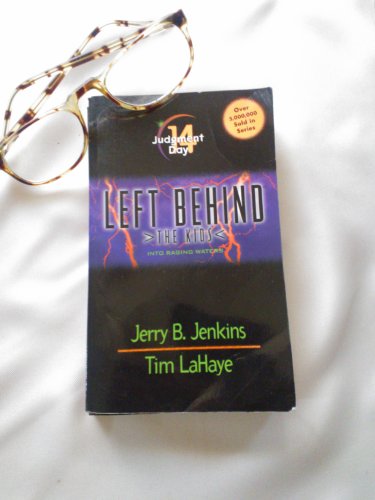
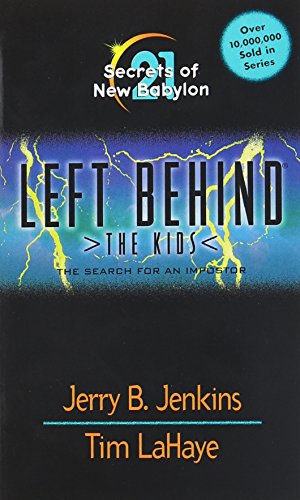
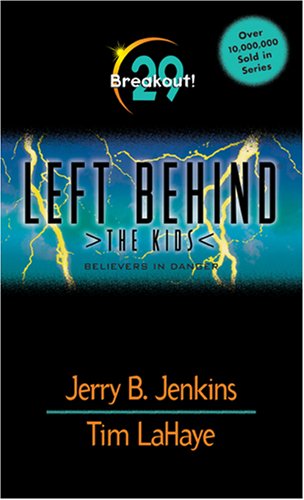
Publication Order of Left Behind: The Kids Books
with Jerry B. Jenkins, Chris Fabry























Publication Order of Babylon Rising Books


Publication Order of The End Books
with Craig Parshall


Publication Order of The Jesus Chronicles Books
with Jerry B. Jenkins


Publication Order of Soul Survivor Books


Publication Order of Standalone Books



Publication Order of Poetry Books

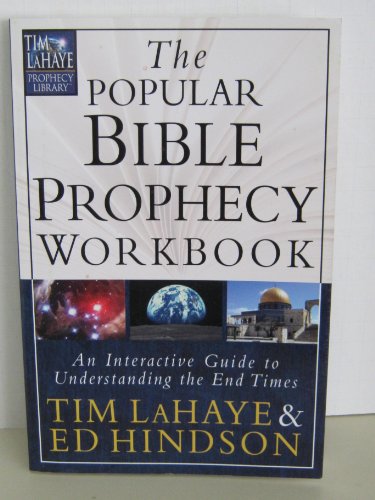
Publication Order of Non-Fiction Books












Publication Order of Left Behind: The Kids Collection Books
with Jerry B. Jenkins, Chris Fabry








About Tim LaHaye
Tim LaHaye was an American evangelical minister and author whose bibliography ranges from Christian nonfiction and marriage books to apocalyptic thrillers on an enormous commercial scale. Born in Detroit in 1926, he spent decades in pastoral ministry before becoming internationally identified with Left Behind, the end-times fiction phenomenon he created with Jerry B. Jenkins. LaHaye died in 2016 at the age of ninety, leaving a body of work shaped by Bible prophecy, premillennial dispensationalism, Christian living, family relationships, and the belief that theological ideas could be carried into popular narrative.
His career as a writer grew directly from his religious vocation. LaHaye served as a pastor for thirty-nine years, founded Tim LaHaye Ministries, and co-founded the Pre-Trib Research Center. Long before Left Behind, he had established himself through nonfiction aimed largely at evangelical readers. His subjects included temperament, spiritual life, marriage, sexuality, family, and prophecy. The Act of Marriage, written with his wife Beverly LaHaye, became one of his best-known works outside fiction, while his extensive prophecy writing provided the theological framework that later made his novels distinctive.
The decisive change in LaHaye’s literary career came with Left Behind, first published in 1995 and co-authored with Jerry B. Jenkins. The series imagines a world transformed by the sudden disappearance of Christian believers in the Rapture and follows those remaining through the rise of the Antichrist, the Tribulation, and events derived from LaHaye’s interpretation of biblical prophecy. LaHaye supplied the central concept and prophetic framework, while the collaboration with Jenkins turned those ideas into fast-moving popular fiction. The result became one of the most commercially significant franchises in Christian publishing, expanding well beyond the original novels.
The scale of that franchise can make LaHaye’s bibliography appear simpler than it is. Left Behind includes the principal adult sequence as well as prequels and a much wider network of related publications. It should also be distinguished from other collaborative fiction associated with his name. The Jesus Chronicles, again written with Jenkins, uses biblically inspired historical fiction to approach the lives and perspectives of the Gospel writers. LaHaye also developed other prophecy-centered fiction, including the Babylon Rising novels, giving his readers multiple series built around biblical archaeology, end-times expectations, and conflicts presented through an evangelical worldview.
His fiction is best understood in relation to his nonfiction rather than as a separate reinvention. The recurring concern is interpretation: how biblical prophecy should be read, how present events might relate to an anticipated future, and how individual choices acquire eternal consequences within that framework. The novels translate those convictions into conspiracies, disasters, political upheaval, supernatural expectation, and thriller pacing. Readers encountering LaHaye through fiction therefore meet many of the same theological concerns that occupied his earlier teaching and prophecy books.
LaHaye was also a prominent conservative evangelical activist, so his public career extended beyond publishing and ministry into American religious and political organization. That dimension of his life remains part of his historical significance and also helps explain why his writing attracted both intense loyalty and substantial criticism. His books were never detached exercises in speculative entertainment; they emerged from a clearly defined theological and cultural position.
For understanding his bibliography, the most useful distinction is between the major collaborative fiction sequences and the much larger nonfiction output. Left Behind remains the landmark achievement, but it represents only one part of a career spanning decades of ministry, prophecy teaching, family-oriented writing, and religious commentary. LaHaye’s lasting literary identity rests on the unusual success with which he moved a specific interpretation of end-times theology from sermons and nonfiction into mass-market narrative.