
Below is the complete list of Beverly Cleary’s Ramona Quimby books in order. For this series, the chronological reading order is the same as the order of publication.
Publication Order of Ramona Quimby Books





Publication Order of Ramona Quimby Non-Fiction Books

About Ramona Quimby
Beverly Cleary’s Ramona series follows Ramona Quimby from an impulsive preschooler into a more self-aware elementary-school student, using the ordinary experiences of family life, school, friendship, money, embarrassment, and growing independence as the substance of eight enduring children’s novels. Set primarily around Klickitat Street in Portland, Oregon, the books share characters and locations with Cleary’s earlier Henry Huggins stories, where Ramona first appeared as Beezus Quimby’s troublesome younger sister before becoming one of American children’s literature’s most recognizable protagonists.
Beezus and Ramona initially tells much of its story from Beezus’s perspective. Nine-year-old Beezus loves four-year-old Ramona but frequently finds her exhausting. Ramona ruins games, disrupts art lessons, behaves unpredictably around Beezus’s friends, and generally refuses to operate according to the expectations of an older sister who desperately wants things to go smoothly. Beneath the comedy, Cleary gives unusual legitimacy to Beezus’s conflicting emotions: loving a sibling does not mean liking everything that sibling does.
With Ramona the Pest, the viewpoint settles firmly around Ramona herself as she enters kindergarten. This change is crucial to the character’s appeal. Actions that look exasperating to adults become understandable when seen through Ramona’s reasoning. She is curious rather than malicious, intensely literal, eager to participate, and frequently astonished when adults interpret her intentions differently from the way she does.
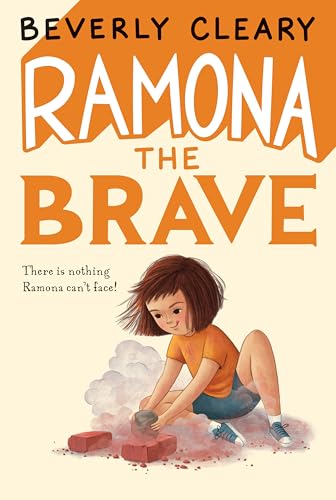
The later books allow Ramona to grow without transforming her into an unnaturally mature child. Ramona the Brave follows her into first grade and a newly enlarged family home, while Ramona and Her Father brings economic anxiety directly into the Quimby household after Mr. Quimby loses his job. Cleary does not isolate children from adult problems. Ramona notices financial strain, parental arguments, work pressures, and changes in household mood even when she cannot fully understand or solve them.
That realistic family dimension becomes increasingly important. Ramona and Her Mother explores Ramona’s worries about whether she is as loved and valued as Beezus, while Ramona Quimby, Age 8 finds her adjusting to third grade as both parents face work and education demands. Ramona’s humiliation after becoming sick at school is characteristic of Cleary’s ability to treat an event that seems minor to an adult as emotionally enormous from a child’s perspective.
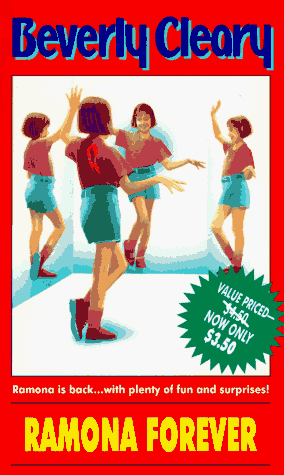
Ramona Forever brings significant changes to the Quimby family, including a new baby and Aunt Bea’s marriage, while also allowing Ramona and Beezus to experience the death of their cat, Picky-picky. Ramona’s World, published fifteen years later, returns to Ramona in fourth grade. Her friendship with Daisy Kidd expands her world beyond the family, while Beezus’s adolescence and the presence of baby Roberta emphasize how much the Quimby household has changed since Ramona first disrupted her sister’s plans decades earlier in publication history.
The series is closely connected to Henry Huggins but has its own clear identity. Henry, Beezus, and other Klickitat Street characters sometimes overlap, yet the Ramona books increasingly concentrate on the Quimby family and on Ramona’s interpretation of everyday life.
Cleary’s achievement was to let Ramona remain imperfect. She becomes older and more thoughtful, but she still misunderstands adults, resents unfairness, gets jealous, makes mistakes, and wants desperately to be taken seriously. The eight books capture childhood not as preparation for more important adult experiences, but as a period whose small victories and disasters already matter enormously to the person living through them.