
Below is the complete list of Philippa Gregory’s Plantagenet and Tudor books in order. For this series, the chronological reading order is the same as the order of publication.
Publication Order of Plantagenet and Tudor Books






About Plantagenet and Tudor
Philippa Gregory’s Plantagenet and Tudor series is an expansive historical-fiction sequence that follows the women surrounding the English monarchy from the Wars of the Roses through the Tudor dynasty. The grouping combines novels originally associated with Gregory’s Cousins’ War and Tudor Court books into a broader chronology. Rather than following one protagonist or family continuously, the series moves among queens, princesses, mothers, wives, and court figures whose lives intersect with the struggle for the English crown.
One of the most important features of the series is the distinction between publication order and Gregory’s suggested historical reading order. The novels were not written chronologically. Readers following the historical sequence therefore encounter them in a substantially different arrangement from the order in which Gregory published them. Both approaches work, but publication order shows how Gregory developed her interpretation of the period, while chronological order creates a more continuous journey through the dynastic story.
The Plantagenet portion begins around the crisis that becomes the Wars of the Roses. The Lady of the Rivers focuses on Jacquetta of Luxembourg, mother of Elizabeth Woodville, and provides background to the political world that later divides Lancaster and York. Jacquetta’s proximity to royalty and eventual connection to the Woodville family place her near the center of events that transform England.
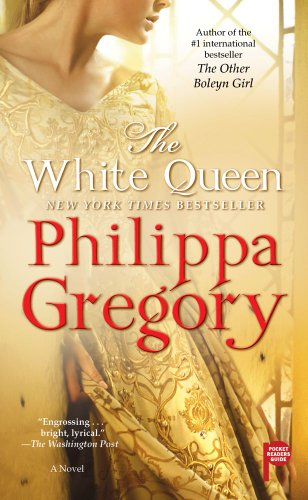
The White Queen follows Elizabeth Woodville, whose secret marriage to Edward IV makes her queen and brings her large family into the politics of the Yorkist court. Gregory presents the conflict through Elizabeth’s struggle to protect her children and preserve their inheritance as political alliances repeatedly collapse.
The opposing Lancastrian perspective receives its strongest voice in The Red Queen, centered on Margaret Beaufort. Margaret’s determination to secure the throne for her son, Henry Tudor, provides a counterpoint to Elizabeth Woodville’s defense of the House of York. Their competing ambitions converge around the events that eventually produce the Tudor dynasty.
Other novels complicate any simple York-versus-Lancaster division. The Kingmaker’s Daughter follows Anne Neville, daughter of Richard Neville, Earl of Warwick, and eventual queen to Richard III. The White Princess moves into the aftermath of Bosworth through Elizabeth of York, daughter of Edward IV and wife of Henry VII, whose marriage symbolically joins the rival houses.
From there, the sequence moves firmly into Tudor history. The Constant Princess portrays Catherine of Aragon before and during her marriage to Henry VIII, while Three Sisters, Three Queens follows Catherine alongside Margaret Tudor and Mary Tudor. Their marriages connect England with Scotland and continental Europe, widening the dynastic story beyond Henry’s court.
Anne Boleyn and her sister Mary dominate The Other Boleyn Girl, while The Boleyn Inheritance examines Anne of Cleves, Katherine Howard, and Jane Boleyn. Taming of the Queen centers on Katherine Parr, Henry VIII’s final wife, portraying a woman whose learning and religious convictions exist within an increasingly dangerous marriage.
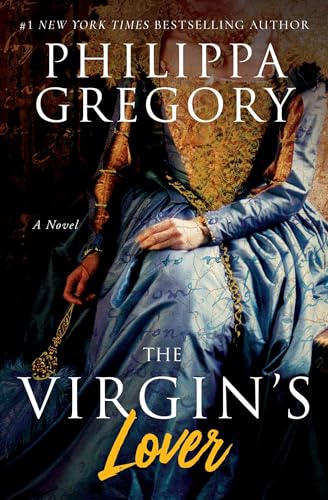
The later Tudor novels move beyond Henry VIII. The Queen’s Fool views the reigns of Edward VI and Mary I through the fictional Hannah Green, while The Virgin’s Lover focuses on Elizabeth I and Robert Dudley. The Last Tudor follows the Grey sisters—Jane, Katherine, and Mary—whose royal blood makes their personal lives politically dangerous. The Other Queen turns to Mary, Queen of Scots, during her captivity in England.
Because protagonists frequently belong to opposing factions, the same historical figures can appear very differently from one novel to another. A woman who seems threatening or ambitious in one narrator’s story may become sympathetic when Gregory later gives her the central voice. This shifting perspective is fundamental to the series.
The Plantagenet and Tudor books are therefore less a conventional saga than a mosaic of overlapping lives. Battles, executions, marriages, births, and successions provide the historical framework, but Gregory repeatedly shifts attention from the monarch on the throne to the women whose families, fertility, loyalties, and ambitions helped determine who would inherit it next.