
Below is the complete list of Alexander McCall Smith’s No. 1 Ladies Detective Agency books in order. For this series, the chronological reading order is the same as the order of publication.
Publication Order of No. 1 Ladies Detective Agency Books


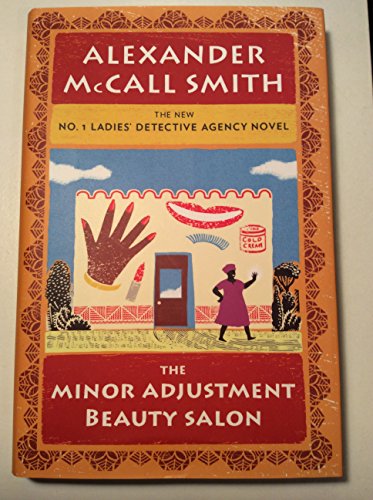





Publication Order of No. 1 Ladies Detective Agency Collections Books

About No. 1 Ladies Detective Agency
Alexander McCall Smith’s No. 1 Ladies’ Detective Agency series follows Precious Ramotswe, the compassionate and quietly perceptive founder of a private detective agency in Gaborone, Botswana. Beginning with The No. 1 Ladies’ Detective Agency in 1998, the novels combine modest mysteries with family life, friendship, social observation, and reflections on how people should treat one another. The cases provide movement, but the series’ enduring appeal comes from its characters and the moral world they gradually build together.
Mma Ramotswe establishes her agency after inheriting cattle from her beloved father, Obed Ramotswe. She has little formal investigative training, yet she possesses patience, practical intelligence, and an instinctive understanding of human motives. Her clients bring her missing relatives, suspected infidelity, dishonest employees, disputed identities, family secrets, and other problems that may appear ordinary until their emotional consequences become clear. Rather than relying on forensic science or confrontation, she listens carefully, notices contradictions, and asks what resolution will cause the least unnecessary harm.
Grace Makutsi becomes the agency’s indispensable associate. Proud of earning ninety-seven percent at the Botswana Secretarial College, Mma Makutsi is ambitious, outspoken, and determined that her abilities should be recognized. Her relationship with Mma Ramotswe includes genuine affection, professional loyalty, competition, misunderstanding, and occasional irritation. Their differences give the agency its vitality: Mma Ramotswe usually favors tact and patience, while Mma Makutsi is more direct and eager to defend her status.
Mr J.L.B. Matekoni, proprietor of Tlokweng Road Speedy Motors, supplies another emotional foundation. His decency, mechanical skill, and devotion to Mma Ramotswe make him one of the series’ steadiest characters, although his generosity sometimes leaves him committed to responsibilities he did not anticipate. The garage and detective agency become increasingly intertwined, bringing apprentices Charlie and Fanwell into the wider ensemble. Mma Potokwane, the formidable matron of the orphan farm, repeatedly recruits the others into charitable tasks through persuasion that is difficult to resist.
The books develop through accumulated changes rather than dramatic reinvention. Mma Ramotswe’s marriage, Mma Makutsi’s career and family life, Charlie’s gradual maturation, and the agency’s shifting circumstances unfold across many installments. Familiar antagonists and troublesome acquaintances also return, particularly Violet Sephotho, whose ambition and talent for disruption repeatedly threaten Mma Makutsi’s peace. Each novel contains new concerns, but its emotional weight often depends on relationships established long before the immediate case began.
Botswana is central to the series’ identity. McCall Smith writes about Gaborone streets, cattle posts, villages, dry landscapes, acacia trees, tea, workplaces, and changing social expectations with warmth and specificity. The novels value tradition without pretending that society should remain unchanged. Economic ambition, modern technology, inequality, gender expectations, and generational differences continually reshape the lives of the characters.
Publication order best preserves those gradual developments, although most individual mysteries remain understandable on their own. The separate Precious Ramotswe books for younger readers explore her childhood and should not be confused with installments in the adult sequence.
These are gentle mysteries, but they are not empty of pain. Loss, exploitation, betrayal, poverty, and regret appear throughout the series. Its optimism comes from Mma Ramotswe’s conviction that judgment should be tempered by sympathy and that solving a person’s problem sometimes requires understanding their weakness before condemning it.