
Below is the complete list of Kate Morton books in order. For each series, the chronological reading order is the same as the order of publication.
Publication Order of kate-morton-Standalone Books



About Kate Morton
Kate Morton is an Australian bestselling novelist celebrated for her atmospheric historical mysteries, intricate family secrets, and stories that move between different generations. Her fiction frequently centres on grand country houses, forgotten tragedies, and the lasting consequences of decisions made decades earlier. Combining elements of Gothic literature, historical fiction, and psychological mystery, she has established an international reputation through novels including The Forgotten Garden, The Secret Keeper, The Lake House, and Homecoming.
Born in 1976 in Berri, South Australia, Morton spent her childhood moving between different locations before her family settled on Tamborine Mountain in southeastern Queensland. Growing up surrounded by rainforest, she developed a fascination with storytelling, imaginary worlds, and the mysteries suggested by old houses and unfamiliar landscapes.
An enthusiastic reader from childhood, she was particularly drawn to books that transported her into different times and places. Her early interest in literature eventually developed into a desire to create similarly immersive stories.
Morton initially considered a career in acting. She studied speech and drama through Trinity College London and completed a summer Shakespeare course at the Royal Academy of Dramatic Art. She subsequently pursued English literature at the University of Queensland, graduating with first-class honours and undertaking postgraduate studies.
Her academic interests included nineteenth-century tragedy and Gothic fiction, subjects that would strongly influence her literary style. The combination of dramatic training and literary scholarship contributed to her emphasis on carefully structured narratives, emotional revelations, and atmospheric settings.
Her debut novel, The House at Riverton (2006), originally published in Australia as The Shifting Fog, became an international success. Set partly during the 1920s, it follows Grace Bradley, a former servant whose memories of an aristocratic English family conceal the circumstances surrounding a tragic death.
The novel established several characteristics that would recur throughout Morton’s fiction: an elderly narrator confronting the past, a magnificent house burdened by secrets, and a mystery gradually revealed through shifting perspectives.
Her second novel, The Forgotten Garden (2008), follows the consequences of a young girl’s mysterious abandonment aboard a ship travelling to Australia. Moving between different generations and locations, the narrative explores identity, inheritance, and the relationship between family stories and concealed truths.
The Distant Hours (2010) centres on an old castle in Kent and three elderly sisters whose lives remain overshadowed by their father’s literary legacy and events from the Second World War. The novel incorporates Gothic atmosphere, literary mysteries, and the emotional consequences of family expectations.
In The Secret Keeper (2012), Morton introduces Laurel Nicolson, an actress whose childhood memories include witnessing a shocking incident involving her mother. Decades later, Laurel attempts to uncover the circumstances surrounding that event, leading to revelations connected with wartime London.
The Lake House (2015) examines the disappearance of a young child from a wealthy family’s Cornish estate in 1933. When a modern-day detective becomes interested in the unresolved case, the investigation exposes complicated relationships and secrets spanning generations.
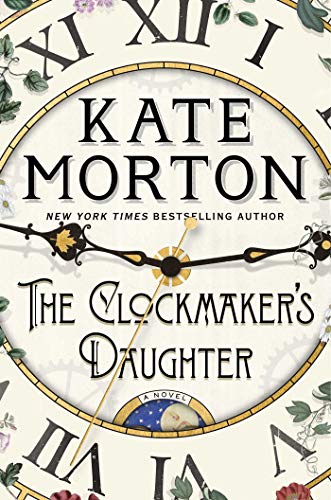
Morton’s sixth novel, The Clockmaker’s Daughter (2018), centres on Birchwood Manor, an English country house associated with an unexplained tragedy in the nineteenth century. Its interconnected narratives follow different individuals drawn to the property over more than a century.
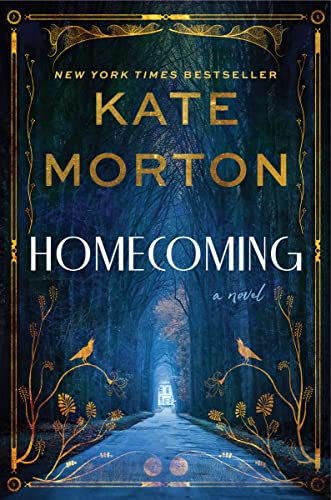
Her seventh novel, Homecoming (2023), marks a return to an Australian setting. The story begins with a devastating incident in the Adelaide Hills in 1959 and follows a journalist who uncovers disturbing connections between the historical tragedy and her own family.
Across these novels, Morton repeatedly explores the unreliability of memory and the ways families preserve, distort, or suppress uncomfortable truths. Her mysteries rarely depend solely on identifying a culprit; they also examine why individuals conceal information and how those decisions influence subsequent generations.
Houses and landscapes play an especially important role in her fiction. Whether depicting an English estate, a Cornish lakeside property, or the Australian countryside, Morton uses physical surroundings to preserve the atmosphere and emotional significance of past events.
Her novels have been published in 38 languages across 45 territories and have achieved widespread commercial success. The House at Riverton became one of the most successful debut novels published in the United Kingdom, helping establish Morton as a major international historical fiction author.
Her eighth novel, Christabel, is scheduled for publication in 2027.
Unlike authors whose books follow recurring detectives or fictional families, Morton primarily writes standalone novels. Each presents an independent mystery, although her recurring interests in family history, hidden identities, inheritance, and the persistence of memory create a recognisable connection across her work.
Through richly detailed settings and narratives that move between past and present, Kate Morton examines how personal history shapes the lives of those who inherit its consequences. Her fiction is distinguished by its patient revelations, emotionally complicated characters, and enduring fascination with the secrets that families leave behind.