
Below is the complete list of Agatha Christie books in order. For this series, the chronological reading order is the same as the order of publication.
Publication Order of Hercule Poirot Books

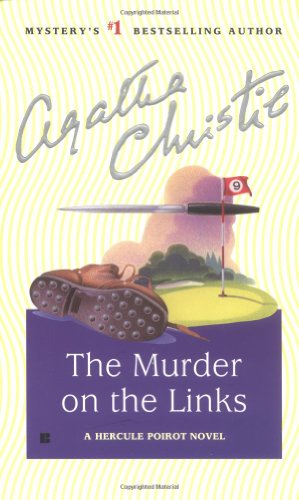


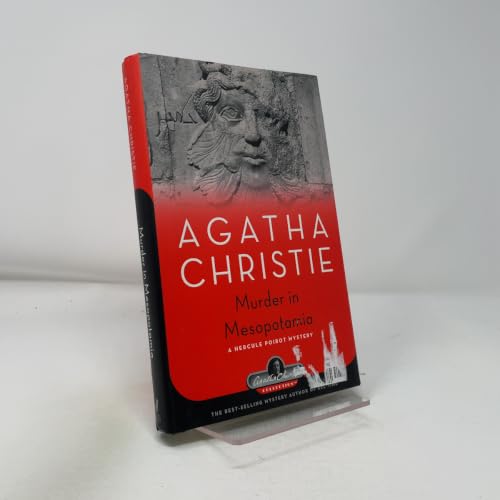




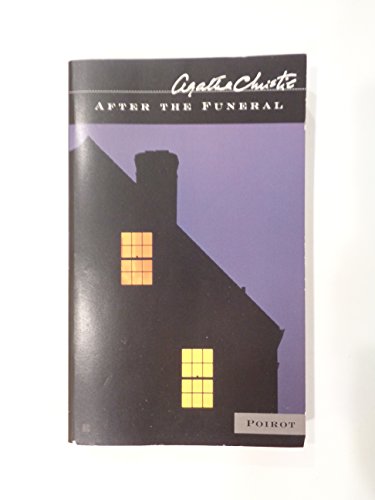


Publication Order of Hercule Poirot Short Stories/Novellas Books




- Christmas Adventure (1923)
Christmas Adventure is a 1923 release and appears as book #8 in the Hercule Poirot Short Stories/Novellas series. 





- The Chess Problem (1927)
In the Hercule Poirot Short Stories/Novellas series, The Chess Problem is book #19 and was published in 1927. 
- The Third-Floor Flat (1929)
The Third-Floor Flat was published in 1929 and is listed as book #21 in the Hercule Poirot Short Stories/Novellas series. 


- The Cretan Bull (1939)
The Cretan Bull was published in 1939 and is listed as book #31 in the Hercule Poirot Short Stories/Novellas series. - The Stymphalean Birds (1939)
Published in 1939, The Stymphalean Birds is listed as book #32 in the Hercule Poirot Short Stories/Novellas series. - The Lernean Hydra (1939)
The Lernean Hydra is a 1939 release and appears as book #33 in the Hercule Poirot Short Stories/Novellas series. - The Apples of Hesperides (1940)
In the Hercule Poirot Short Stories/Novellas series, The Apples of Hesperides is book #34 and was published in 1940. - The Flock of Geryon (1940)
The Flock of Geryon was first published in 1940; within the Hercule Poirot Short Stories/Novellas series, it is listed as book #35. - The Horses of Diomedes (1940)
The Horses of Diomedes was published in 1940 and is listed as book #36 in the Hercule Poirot Short Stories/Novellas series. - The Augean Stables (1940)
Published in 1940, The Augean Stables is listed as book #37 in the Hercule Poirot Short Stories/Novellas series. - The Erymanthian Boar (1940)
The Erymanthian Boar is a 1940 release and appears as book #38 in the Hercule Poirot Short Stories/Novellas series. - The Arcadian Deer (1940)
In the Hercule Poirot Short Stories/Novellas series, The Arcadian Deer is book #39 and was published in 1940. - The Capture of Cerberus (1947)
The Capture of Cerberus was first published in 1947; within the Hercule Poirot Short Stories/Novellas series, it is listed as book #40. 







Publication Order of Hercule Poirot Collections Books


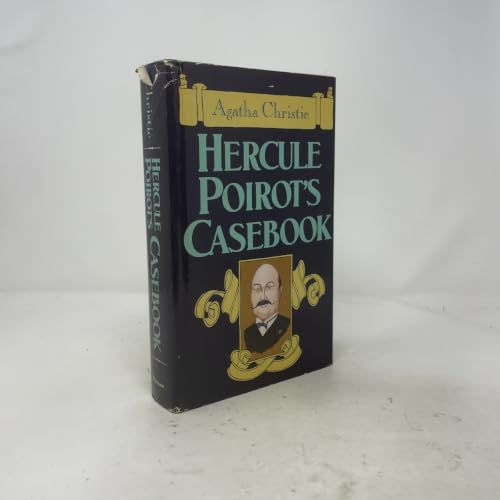


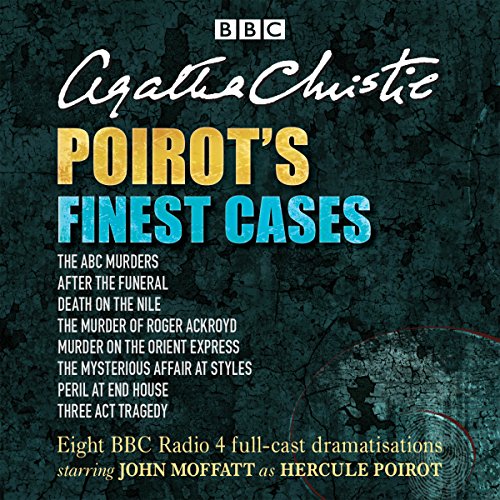


- The Grey Cells of Mr. Poirot (2019)
The Grey Cells of Mr. Poirot was published in 2019 and is listed as book #11 in the Hercule Poirot Collections series.
Publication Order of Miss Marple Books






Publication Order of Miss Marple Short Stories/Novellas Books



Publication Order of Miss Marple Collections Books


Publication Order of Tommy and Tuppence Books


Publication Order of Tommy & Tuppence Short Stories/Novellas Books






Publication Order of Superintendent Battle Books
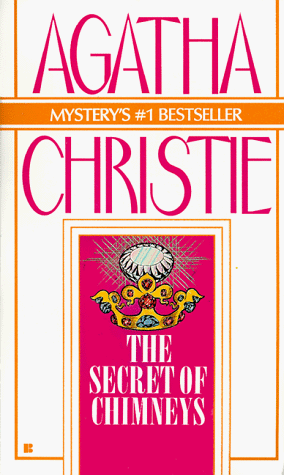


Publication Order of Ariadne Oliver Books

Publication Order of Colonel Race Books


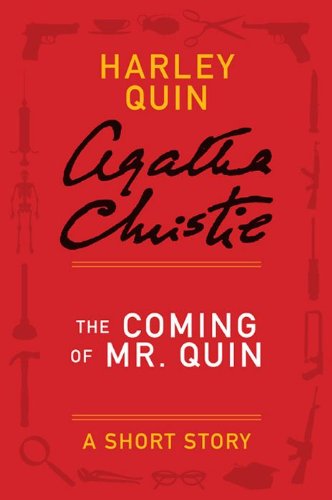
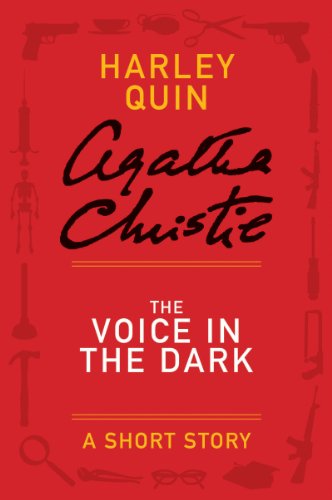
Publication Order of Harley Quin Books

Publication Order of Harley Quin Short Stories/Novellas Books




- The Harlequin Tea Set (1971)
The Harlequin Tea Set is a 1971 release and appears as book #13 in the Harley Quin Short Stories/Novellas series. 
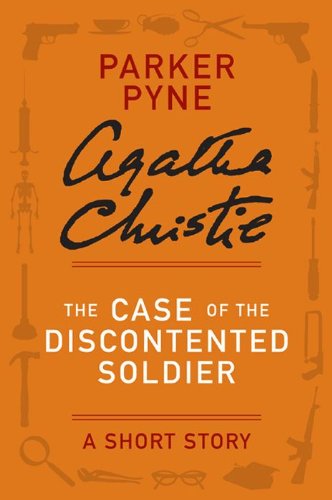
Publication Order of Parker Pyne Short Stories/Novellas Books



Publication Order of Standalone Novels Books






Publication Order of Short Stories/Novellas Books





- Three Blind Mice: A Novella (1948)
In the Short Stories/Novellas series, Three Blind Mice: A Novella is book #19 and was published in 1948. 
- Express to Stamboul (1965)
Express to Stamboul was published in 1965 and is listed as book #21 in the Short Stories/Novellas series. 


Publication Order of Short Story Collections Books


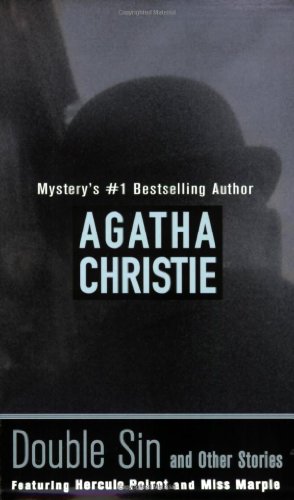


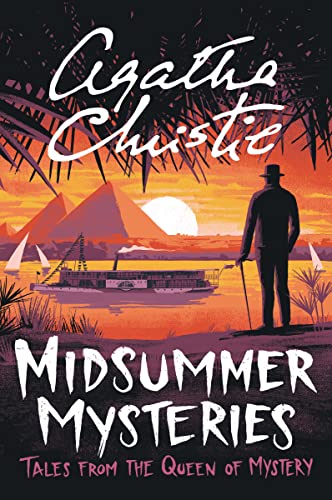

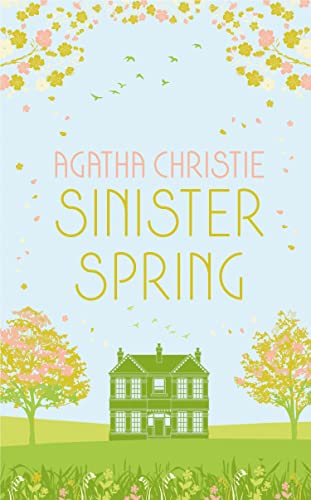

Publication Order of Plays Books


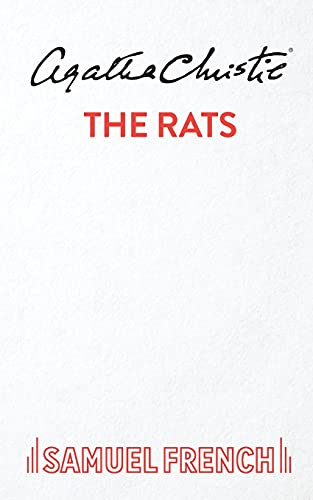
Publication Order of Non-Fiction Books


Publication Order of Tommy & Tuppence Mysteries Books
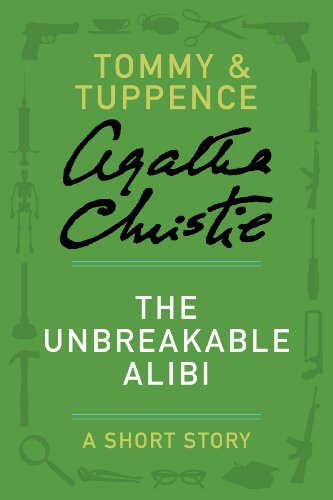
- The Case of the Missing Lady (1972)
Published in 1972, The Case of the Missing Lady is listed as book #2 in the Tommy & Tuppence Mysteries series.
About Agatha Christie
Agatha Christie remains the central figure in detective fiction not simply because she sold so many books, but because she helped define what a mystery novel could be. Her name has become almost shorthand for the genre itself, yet her bibliography is far broader and more various than the familiar image of a country-house murder might suggest. She wrote detective novels, short stories, plays, thrillers, and a small but important body of fiction under the name Mary Westmacott. Across all of it, she showed a rare ability to make crime fiction seem both elegantly simple and endlessly renewable.
Born in 1890 in Torquay, Christie came to fiction from a background that was in some ways sheltered and traditional, yet she became one of the sharpest observers of deceit, vanity, greed, family tension, and social performance in modern popular literature. During the First World War she worked in a hospital dispensary, and the knowledge she gained there, especially about poisons, became one of the most distinctive technical strengths in her fiction. That detail matters because Christie’s books are often praised for cleverness, but the cleverness was not abstract. It rested on precise control of information, motive, timing, and method.
Her bibliography is best understood through several major lines rather than as one undifferentiated mass of famous titles. The first and most prominent is the Hercule Poirot sequence, which runs from The Mysterious Affair at Styles to Curtain and gave Christie one of the most recognizable detectives in world literature. Poirot is fussy, theatrical, vain, and brilliant, but what makes him last is the way Christie uses him to turn psychology into detection. He solves crimes not only by clue gathering, but by understanding what kind of people his suspects are when they think no one is truly seeing them.
The second great line is Miss Marple. If Poirot often feels cosmopolitan, controlled, and self-consciously brilliant, Miss Marple works differently. She is rooted in village life, memory, and analogy. Christie uses her to show that apparently quiet lives contain all the same malice, lust, pride, and desperation found anywhere else. Miss Marple gives the books a subtler and in some ways more socially penetrating intelligence. Together, Poirot and Marple explain much of Christie’s range within the mystery form.
But Christie was never only the author of two detective brands. She also wrote standalones that remain essential to understanding her, including And Then There Were None, which may be the purest expression of her gift for pressure and structure. That novel, along with books such as Crooked House, The Pale Horse, and Endless Night, shows a darker, often more experimental Christie than the most familiar image suggests. She could be unsettling, ironic, and unexpectedly ruthless. Her work is often described as cosy, but that label can hide how often she wrote about cruelty inside family life, the fragility of respectability, and the terrifying ease with which ordinary people can choose violence.
Her bibliography also includes the Mary Westmacott novels, which matter because they reveal a different emotional register. These are not detective stories, but relationship novels, and they show that Christie’s understanding of disappointment, longing, marriage, and private suffering was not limited to crime plots. They are useful reminders that beneath the famous puzzles was a writer deeply interested in emotional concealment of every kind.
Another major part of her legacy is the stage. The Mousetrap became one of the most extraordinary theatrical successes in history, and her instinct for compression, reveal, and audience manipulation translated naturally into drama. That theatrical skill is visible in the novels too. Christie understood entrances, exits, misdirection, and the exact moment a revelation should land.
The best way to understand Agatha Christie’s bibliography is as the work of a writer who turned mystery into an art of control. She could be playful, unsettling, charming, or cold, but she was always precise. Her books remain readable not only because they are clever, but because they understand people so well: their habits, pretenses, envies, and blind spots. That is why the shelf still feels alive. Christie did not just write detective stories. She built one of the great fictional laboratories of human motive, and readers are still entering it because no one has ever arranged the experiment quite the same way.