
Below is the complete list of Veronica Roth books in order. For each series, the chronological reading order is the same as the order of publication.
Publication Order of Divergent Books


Publication Order of Divergent Collections Books

Publication Order of Divergent Short Stories/Novellas Books


Publication Order of Divergent Miscellaneous Books

Publication Order of The Sixth Faction Books


Publication Order of Carve the Mark Books


Publication Order of Curse Bearer Books


Publication Order of The Burning Empire Books

Publication Order of The Chosen Ones Books

Publication Order of Standalone Books


Publication Order of Short Stories/Novellas Books
- Hearken (2013)
Hearken was published in 2013 and is listed as book #1 in the Short Stories/Novellas series.
Publication Order of Far Reaches Collection Books
Publication Order of Forward Books

About Veronica Roth
Veronica Roth is an American author best known for the Divergent trilogy, the young adult dystopian series that made her one of the defining names of the early 2010s YA boom. Born in New York City and raised mostly in the Chicago area, Roth studied creative writing at Northwestern University, where she began the manuscript that became Divergent. Published in 2011, the novel introduced a divided future Chicago where society is organized into factions based on dominant virtues, and where one young woman’s identity threatens the stability of the system around her.
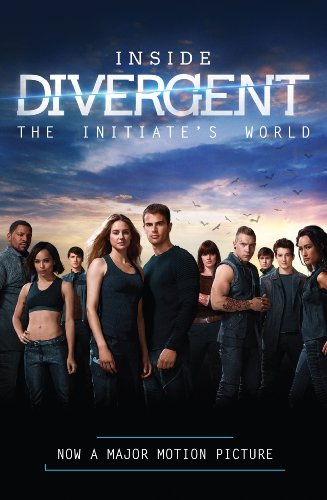
Roth’s rise was unusually fast. Divergent, Insurgent, and Allegiant became major bestsellers, and the series quickly moved into film adaptation, with Shailene Woodley starring as Tris Prior and Theo James as Tobias “Four” Eaton. The books arrived during a period when YA dystopian fiction was intensely popular, but Roth’s series stood out for its clean central metaphor: a society that demands people reduce themselves to one approved trait. Abnegation, Dauntless, Erudite, Amity, and Candor are not only worldbuilding devices; they dramatize adolescent questions about identity, loyalty, courage, self-denial, honesty, and the pressure to choose who one is before one fully knows.
Tris Prior remains Roth’s most famous character because her story is driven by both rebellion and self-discovery. She is not simply a chosen heroine overturning a corrupt system. She is a young woman trying to understand courage, sacrifice, violence, family, desire, and moral responsibility in a world that keeps turning virtue into control. The later companion book Four revisits parts of the Divergent world through Tobias’s perspective, giving more weight to his history, fears, and complicated relationship with power.
After Divergent, Roth moved beyond the series that made her famous. The Carve the Mark duology, made up of Carve the Mark and The Fates Divide, shifted into science fiction and space fantasy, with planets, currentgifts, political conflict, fate, pain, and family loyalty at the center. The books showed Roth trying to broaden her imaginative scale while still returning to familiar concerns: systems that assign identity, young people shaped by violence, and characters trying to choose differently from the destinies others impose on them.
Her later work became more varied and more adult in tone. Chosen Ones revisits the aftermath of a familiar fantasy premise by asking what happens to the heroes after they defeat the great evil and are expected to live ordinary lives. It is one of Roth’s most interesting post-Divergent books because it turns victory into trauma rather than closure. Poster Girl moves into adult dystopian fiction, focusing on surveillance, complicity, punishment, and the difficulty of moral awakening inside a fallen regime. Shorter works such as Arch-Conspirator and When Among Crows show her interest in myth, folklore, retelling, and compressed speculative structure.
Roth’s bibliography is best understood as a movement from YA dystopian fame toward broader speculative fiction. She continues to write about identity under pressure, but the form has changed: faction systems, fate-marked planets, traumatized former heroes, surveillance states, and mythic bargains all become ways of asking how people live when institutions, families, or prophecies have already named them.
Her strongest recurring theme is the struggle to become morally awake inside a system designed to make obedience feel natural. Whether she is writing for teens or adults, Veronica Roth returns to characters who must decide what part of themselves is real, what has been assigned, and what it will cost to choose freedom.