
Below is the complete list of Terry Pratchett books in order. For each series, the chronological reading order is the same as the order of publication.
Publication Order of Discworld Books


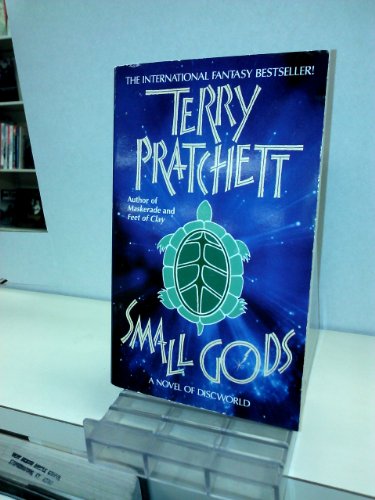


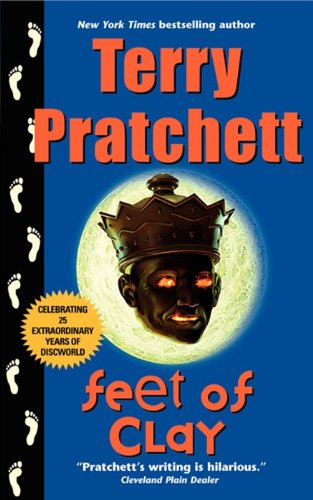





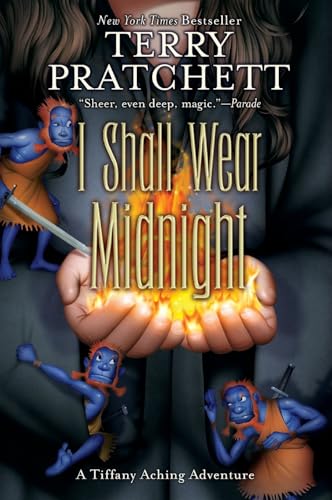


Publication Order of Science Of Discworld Books
with Ian Stewart, Jack Cohen
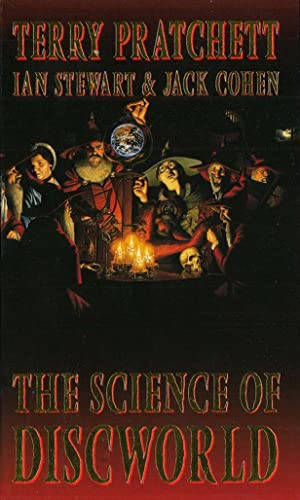


Publication Order of Discworld Companion Books




Publication Order of Discworld Graphic Novels Books


Publication Order of Discworld Plays Books
with Stephen Briggs








Publication Order of Discworld Picture Books


Publication Order of Bromeliad Trilogy Books


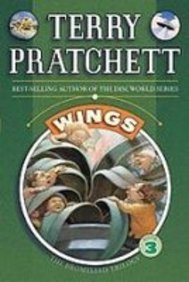
Publication Order of Children’s Circle Stories Books


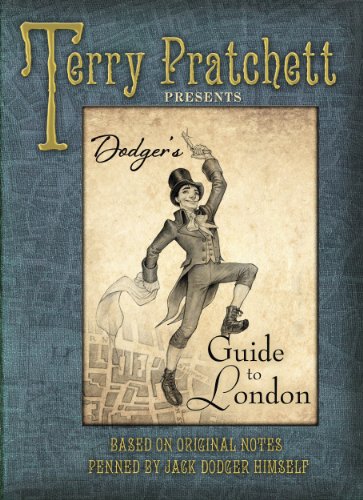
Publication Order of Dodger Books

Publication Order of Johnny Maxwell Books


Publication Order of Long Earth Books
with Stephen Baxter


Publication Order of Standalone Books


Publication Order of Short Stories/Novellas Books
- Incubust (1988)
Incubust was published in 1988 and is listed as book #1 in the Short Stories/Novellas series. 
- Theatre of Cruelty (1993)
Theatre of Cruelty is a 1993 release and appears as book #3 in the Short Stories/Novellas series. 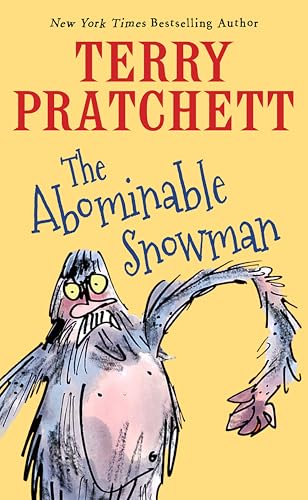

Publication Order of Short Story Collections Books
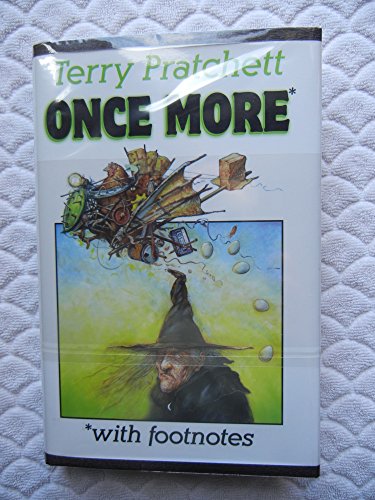


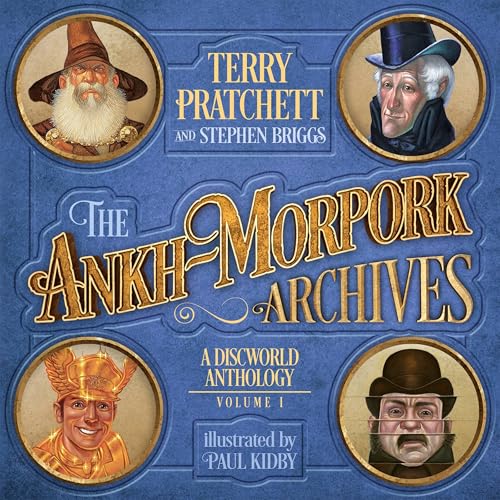


Publication Order of Plays Books
with Stephen Briggs


Publication Order of Non-Fiction Books


Publication Order of Dramascripts Books

Publication Order of Legends Books

About Terry Pratchett
Terry Pratchett was an English novelist whose comic fantasy became one of the most distinctive and widely loved bodies of work in modern popular fiction. He is best known for Discworld, a vast sequence of novels set on a flat world carried through space on the backs of four elephants standing on a giant turtle. That premise sounds purely absurd, but Pratchett used it to build one of fantasy’s sharpest satirical landscapes, turning wizards, witches, guards, gods, vampires, journalists, bankers, tyrants, and ordinary citizens into vehicles for examining power, belief, language, death, work, and human stupidity.
Born in Beaconsfield, Buckinghamshire, in 1948, Pratchett began his career in journalism before moving into publishing and public relations. His first novel, The Carpet People, appeared in 1971, years before Discworld made him famous. The early work already showed his interest in miniature civilizations, inverted perspectives, and the comic possibilities of taking an impossible premise seriously. He later revised the book, a habit that reflected his growth from a young fantasy writer into a far more controlled and confident satirist.
Discworld began with The Colour of Magic in 1983. The first books parody sword-and-sorcery, heroic fantasy, and role-playing conventions, especially through the cowardly wizard Rincewind and the tourist Twoflower. As the sequence developed, however, Pratchett’s ambitions widened dramatically. Discworld became less a parody of fantasy and more a complete comic mirror of human society. The novels formed several overlapping strands: the City Watch books led by Sam Vimes, the Witches books centered on Granny Weatherwax and Nanny Ogg, the Death books, the Moist von Lipwig novels, the Tiffany Aching books, and a number of standalones that deepen the world from different angles.
Pratchett’s comedy is often remembered for wordplay, footnotes, absurd images, and perfect timing, but his books endure because the humor carries moral force. He could be deeply funny about bureaucracy, religion, monarchy, journalism, academia, opera, banking, racism, gender roles, and technological change without treating those subjects lightly. Novels such as Guards! Guards!, Small Gods, Men at Arms, Hogfather, The Truth, Going Postal, and Night Watch show how fantasy could become a form of social argument while remaining fast, warm, and entertaining.
He also wrote important work outside Discworld. The Bromeliad trilogy, beginning with Truckers, follows small beings called nomes and combines adventure with questions of belief, migration, and survival. The Johnny Maxwell trilogy uses contemporary settings to explore war, memory, media, and moral imagination. With Neil Gaiman, Pratchett co-wrote Good Omens, a comic apocalypse novel whose affection for human messiness gives its satire unusual tenderness. Later, with Stephen Baxter, he co-wrote the Long Earth series, which explores parallel worlds through a more science-fictional frame.
In 2007, Pratchett publicly announced that he had been diagnosed with posterior cortical atrophy, a rare form of Alzheimer’s disease. He continued writing, campaigning for dementia research, and speaking openly about assisted dying and illness. He was knighted in 2009 and remained an active literary figure until his death in 2015.
Terry Pratchett’s bibliography is best understood not simply as comic fantasy, but as a sustained act of humane satire. His books are playful, but never careless; skeptical, but rarely cruel; fantastical, but intensely concerned with real human behavior. Discworld gave him the perfect stage, yet the deeper achievement was his voice: witty, angry, compassionate, and always alert to the strange dignity of people trying to make sense of a ridiculous world.