
Below is the complete list of Lois Lowry books in order. For each series, the chronological reading order is the same as the order of publication.
Publication Order of Anastasia Krupnik Books




Publication Order of J.P. TateBooks Books


Publication Order of Sam Krupnik Books


Publication Order of The Giver Books


Publication Order of Giver Graphic Novels Books
with P. Craig Russell

Publication Order of Gooney Bird Greene Books


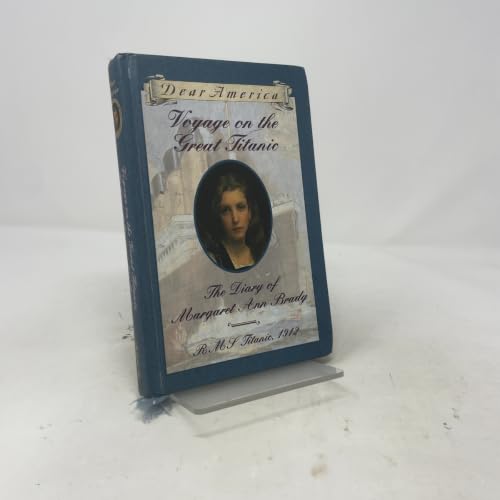
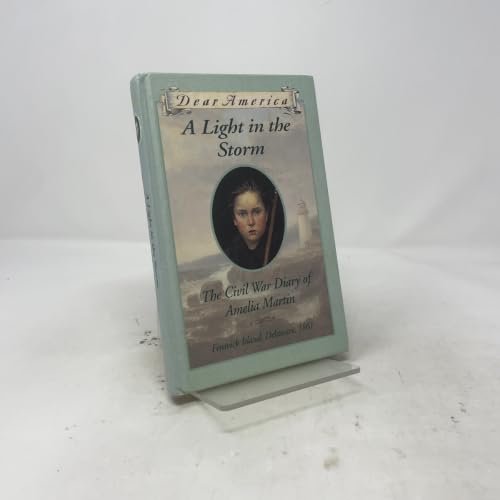
Publication Order of Dear America Books






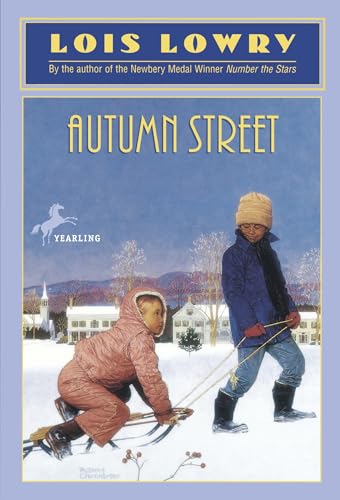
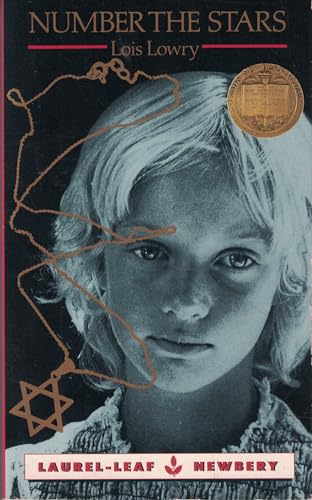
Publication Order of Standalone Books








Publication Order of Picture Books

Publication Order of Non-Fiction Books

Publication Order of The Willoughbys Books


About Lois Lowry
Lois Lowry is an American author celebrated for her contributions to children’s and young adult literature, particularly her ability to address complex moral questions through accessible, emotionally powerful storytelling. Best known for The Giver and Number the Stars, she has written across several genres, from dystopian fiction and historical drama to humorous stories about childhood and family life. Her work frequently examines memory, individuality, loss, human relationships, and the responsibilities people have toward one another.
Born Lois Ann Hammersberg on March 20, 1937, in Honolulu, Hawaii, Lowry spent much of her childhood moving between different locations because of her father’s career as an Army dentist. Her family lived in several parts of the United States and abroad, including Japan, where she attended school in Tokyo. These experiences exposed her to different cultures and contributed to her interest in how people understand unfamiliar communities and circumstances.
Lowry attended Brown University but left before completing her degree to marry and raise a family. She had four children and later resumed her education, earning a degree from the University of Southern Maine. Before establishing herself as a novelist, she worked in photography and began writing professionally.
Her literary career began with A Summer to Die (1977), a novel inspired by the death of her older sister, Helen, during childhood. The story examines grief, sibling relationships, and the emotional changes experienced by a young girl confronting serious illness within her family. Its deeply personal origins established Lowry’s willingness to address difficult subjects without simplifying their emotional consequences.
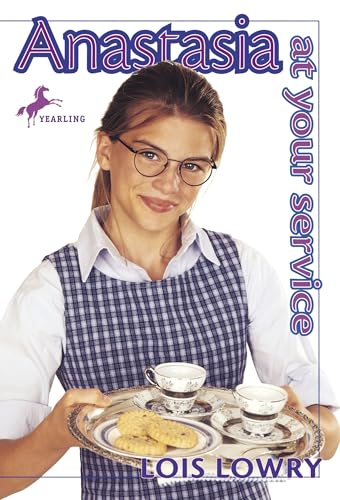
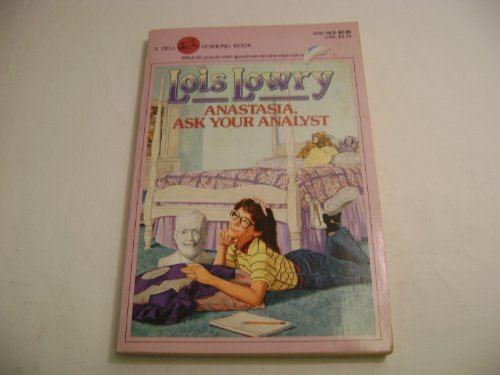
She subsequently demonstrated a very different side of her writing through the Anastasia Krupnik series, beginning with Anastasia Krupnik (1979). Centred on an intelligent, outspoken girl navigating adolescence, family relationships, and everyday frustrations, the books combine humour with realistic observations about growing up. Anastasia’s younger brother later became the central character of the Sam Krupnik series, which explores childhood from a younger and often comically literal perspective.
Lowry achieved major literary recognition with Number the Stars (1989), a historical novel set in Nazi-occupied Denmark during World War II. Through the experiences of a young Danish girl, the story portrays courage, friendship, and the efforts of ordinary citizens to protect Jewish families from persecution. The novel received the Newbery Medal in 1990, establishing Lowry among the leading American writers for young readers.
Her most influential work, The Giver (1993), introduced a seemingly perfect society in which suffering and conflict have been eliminated at the expense of individuality, emotional freedom, and historical memory. Through its young protagonist, Jonas, the novel examines conformity, ethical responsibility, and the consequences of controlling human experience. It earned Lowry her second Newbery Medal in 1994 and became a widely studied work of dystopian literature.
The novel subsequently developed into the Giver Quartet, encompassing Gathering Blue, Messenger, and Son. Although the books initially feature different protagonists and communities, their narratives gradually reveal connections involving memory, freedom, sacrifice, and human dignity.
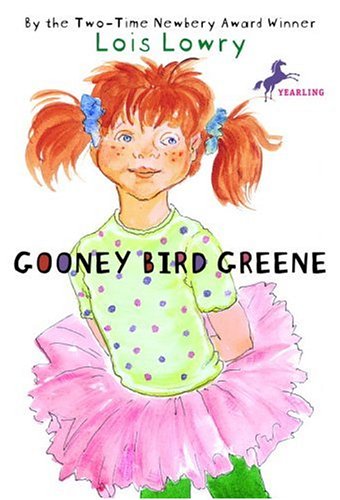
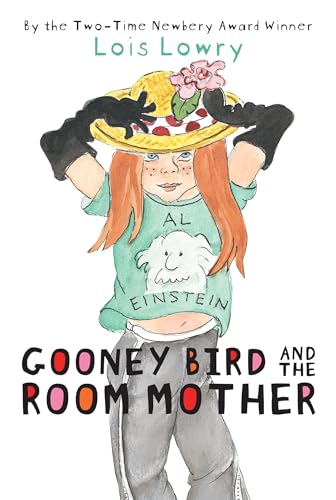
Lowry has also written lighter fiction, including the Gooney Bird Greene series, which celebrates imagination, classroom friendships, and the art of storytelling. Her ability to move between playful humour and serious moral exploration remains one of her most distinctive literary qualities.
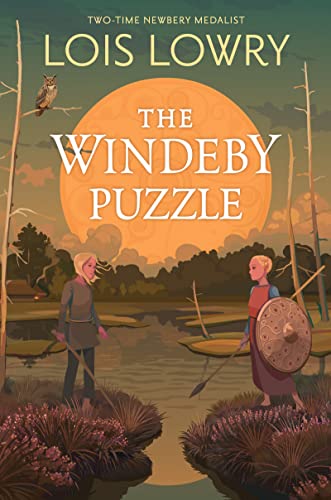
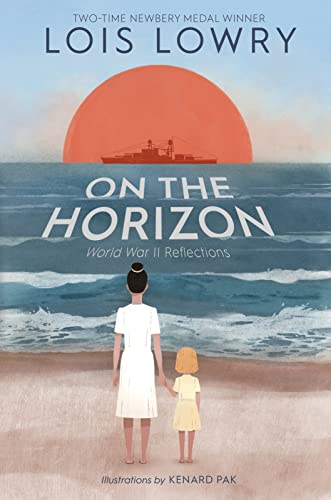
In later works such as On the Horizon (2020), The Windeby Puzzle (2023), and Tree. Table. Book. (2024), she continued exploring history, memory, and the ways individual lives are shaped by events beyond their control.
Throughout her career, Lowry has maintained that human connections lie at the heart of her fiction. Whether depicting a family coping with bereavement, children discovering their independence, or individuals resisting an oppressive society, she approaches difficult subjects with sensitivity and respect for young readers’ intelligence.
Her lasting significance comes from an unusual combination of literary versatility and moral seriousness. Lowry’s novels do more than entertain; they encourage readers to question authority, consider unfamiliar perspectives, and recognise the importance of compassion in an imperfect world.