
Below is the complete list of Nelson DeMille’s Joe Ryker books in order. For this series, the chronological reading order is the same as the order of publication.
Publication Order of Joe Ryker Books


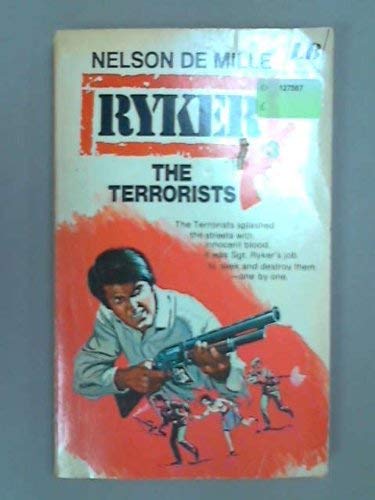


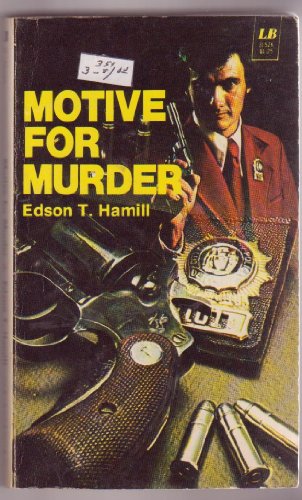

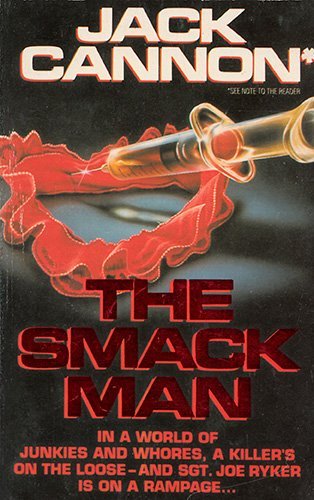


About Joe Ryker
The Joe Ryker books sit at the very beginning of Nelson DeMille’s fiction career and show a harder, pulpier version of his writing than most readers know from the later bestselling thrillers. Before By the Rivers of Babylon, before John Corey, and long before DeMille became associated with large-scale geopolitical suspense, he was writing short, rough, urban crime novels set in New York. In a later interview, he described these as his early New York City police detective novels and explained that he used the Jack Cannon name because he expected to publish more ambitious work under Nelson DeMille later on. That makes the Ryker books interesting not just as a series, but as a glimpse of the writer before the larger public version of his career fully arrived.
Joe Ryker himself is an old-school New York detective sergeant, the kind of protagonist built for pressure rather than polish. These novels are not elegant literary crime fiction, and they are not yet the expansive DeMille thrillers that came later. They are lean, fast, violent, and rooted in a grimy city-crime atmosphere. The appeal lies in that bluntness. Ryker is not a puzzle-solving amateur or a stylish modern antihero. He belongs to a tougher paperback tradition, where instinct, street knowledge, and endurance matter more than finesse. If later DeMille heroes often carry irony, worldliness, and room to think, Ryker feels more immediate and cornered, a man operating in stories that move with little patience for ornament.
Publication order matters here partly because the books are early-series paperbacks from the 1970s, and the publication history is messier than it looks at first glance. The series is generally treated as a six-book run beginning with The Sniper in 1974 and ending with The Night of the Phoenix in 1975. But some of the later books were originally published with the protagonist named Joe Keller rather than Joe Ryker, and were later reissued under the Ryker banner with Jack Cannon on the cover. That means this is one of those series where publication order is the clearest guide, not because the continuity is especially intricate, but because the naming and reissue history can otherwise make the books look more confusing than they really are.
That publication quirk also explains the subtitle crediting both Jack Cannon and Nelson DeMille. Jack Cannon was not a separate collaborator in the ordinary sense; it was DeMille’s pseudonym. Over time, as DeMille’s reputation grew, the relationship between the two names became more openly acknowledged, and the Ryker books came to be understood as part of the larger DeMille bibliography rather than as a disconnected paperback sideline. They still feel different from the later novels, though, and that difference is part of their value. They show a writer learning speed, momentum, confrontation, and violent stakes in a stripped-down form.
For readers who already have the list above, the main thing to understand is that Joe Ryker is best approached as early DeMille rather than typical DeMille. These are not the books to read for the full scale, polish, and geopolitical layering of his mature work. They are the books to read if you want to see the raw foundation: the New York grit, the hard-edged detective setup, and the commercial instincts that later grew into something much larger. Read in publication order, the series works as both a crime sequence and a career origin story, showing the young DeMille in compact form before he became the DeMille most readers recognize.