
Below is the complete list of Jane Austen books in order. For each series, the chronological reading order is the same as the order of publication.
Publication Order of Standalone Books


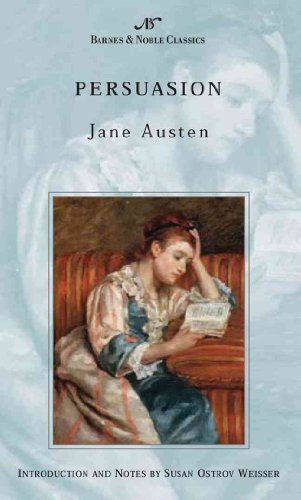
Publication Order of Short Stories/Novellas Books



Publication Order of Non-Fiction Books


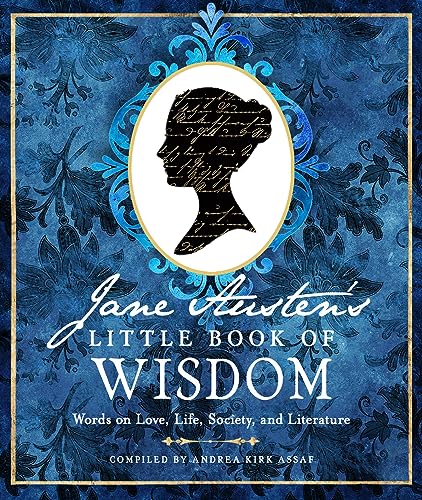
Publication Order of Collections Books


Publication Order of Juvenilia Books
- Juvenilia Volume I Annotated (1787)
Juvenilia Volume I Annotated was published in 1787 and is listed as book #1 in the Juvenilia series. - Juvenilia Volume II Annotated (2021)
Published in 2021, Juvenilia Volume II Annotated is listed as book #2 in the Juvenilia series.
Publication Order of Modern Library Torchbearers Books
About Jane Austen
Jane Austen was an English novelist whose small completed body of work became one of the central achievements of English literature. Born in 1775 in Steventon, Hampshire, she wrote fiction rooted in the social world of the late eighteenth and early nineteenth centuries, focusing on family, courtship, money, manners, inheritance, reputation, and the difficult intelligence required of women with limited public power. Her six major novels—Sense and Sensibility, Pride and Prejudice, Mansfield Park, Emma, Northanger Abbey, and Persuasion—remain widely read because they combine comedy, emotional precision, social criticism, and extraordinary control of narrative voice.
Austen grew up in a lively clerical household. Her father, George Austen, was a rector, and the family valued reading, conversation, private theatricals, and writing. Jane began composing stories early, producing youthful comic works now known as her juvenilia. These early pieces are often absurd, sharp, and playful, already showing her delight in parody, exaggerated manners, and the gap between what people say about themselves and what their behavior reveals. That comic intelligence would become one of the defining qualities of her mature fiction.
Her adult life was outwardly quiet compared with the dramatic power of her novels. She lived mostly within family circles, moving from Steventon to Bath, then to Southampton, and finally to Chawton, where her brother Edward provided a cottage for Jane, her sister Cassandra, and their mother. Chawton became the most important place in her writing career. There she revised earlier manuscripts and completed the novels that brought her into print. Austen published anonymously during her lifetime, identified only as “a lady,” which reflected both the conventions of the period and the restricted public identity available to women writers.
Sense and Sensibility appeared in 1811, followed by Pride and Prejudice in 1813, Mansfield Park in 1814, and Emma in 1815. Northanger Abbey and Persuasion were published posthumously in 1817 after Austen’s death. The novels differ significantly in tone. Pride and Prejudice is the most sparkling and immediately comic, centered on Elizabeth Bennet’s intelligence and misjudgment. Mansfield Park is morally darker and more restrained. Emma turns a wealthy heroine’s confidence into a study of self-deception, while Persuasion is quieter, more autumnal, and deeply concerned with regret, constancy, and second chances.
Austen’s fiction is sometimes described as romance, but that label alone is too narrow. Marriage matters in her novels because it is emotional, social, and economic at once. A woman’s choice of husband can determine security, status, autonomy, and happiness. Austen understood how money moves beneath polite conversation: entailments, dowries, livings, estates, debts, and expectations shape what characters can risk and what they must endure. Her comedy often comes from manners, but her stakes are practical and serious.
Her style is famous for irony, balance, and free indirect discourse, a narrative method that moves fluidly between a character’s perspective and the author’s sharper judgment. This allows Austen to expose vanity, snobbery, foolishness, cruelty, and self-deception without heavy explanation. She rarely lectures; she lets language, gesture, and social performance reveal the truth.
Jane Austen died in Winchester in 1817 at the age of forty-one, leaving behind unfinished works including Sanditon and The Watsons. Her reputation grew steadily after her death, and her novels have become foundational texts for readers, scholars, filmmakers, and later writers. The lasting power of her work lies in its exactness: she made small rooms, family visits, letters, walks, dances, proposals, and silences reveal an entire moral world.