
Below is the complete list of Mary Balogh books in order. For each series, the chronological reading order is the same as the order of publication.
Publication Order of Bedwyn Family Books


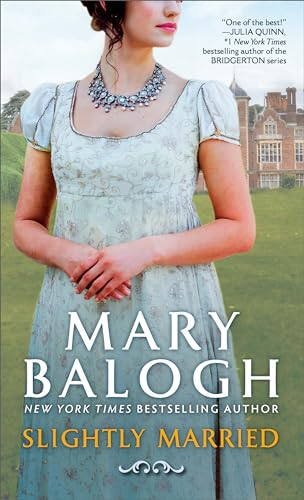


Publication Order of Dark Angel Books


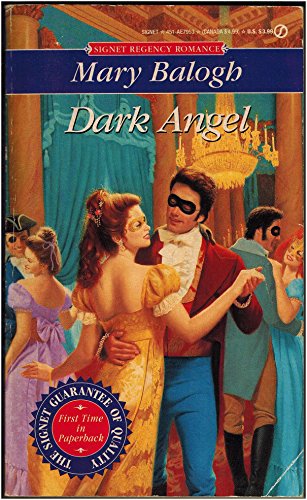


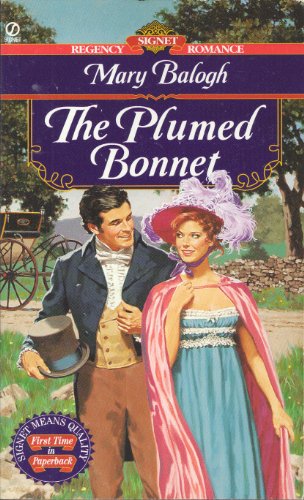

Publication Order of Denning-Mainwaring Books
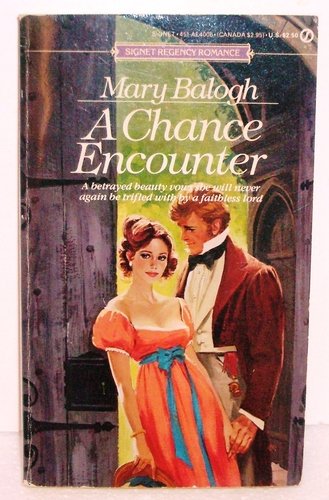

Publication Order of Four Horsemen Of The Apocalypse Books
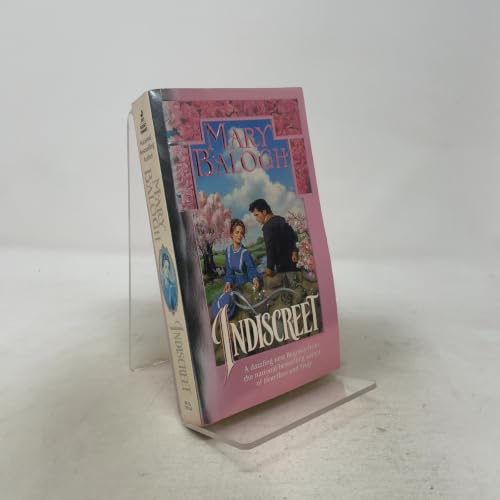


Publication Order of Georgian Books
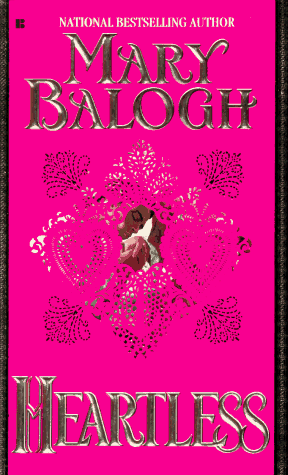

Publication Order of Huxtable Quintet Books
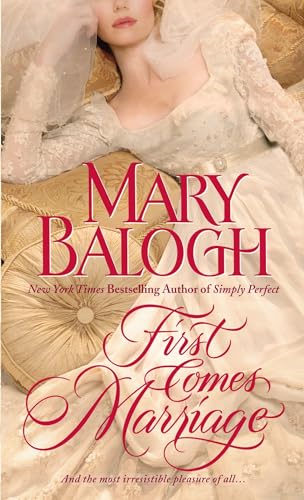

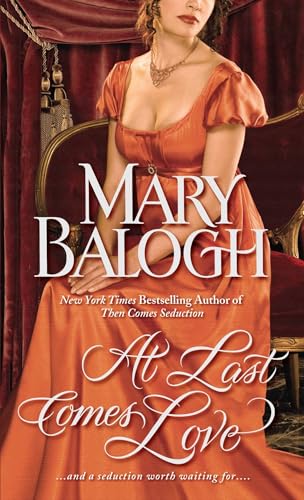

Publication Order of Mistress Books


Publication Order of Simply Quartet Books


Publication Order of Stapleton-Downes Books
Publication Order of Sullivan Books


Publication Order of Ravenswood Books



Publication Order of Survivor’s Club Books



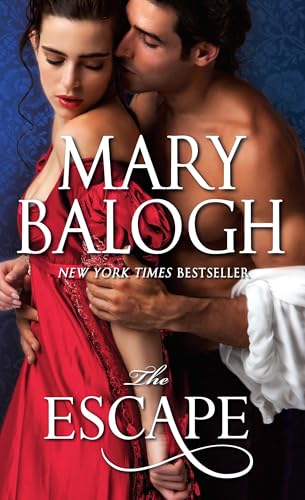


Publication Order of The First Snowdrop Books


Publication Order of Waite Books


- A Counterfeit Betrothal (1992)
A Counterfeit Betrothal is a 1992 release and appears as book #3 in the Waite series.
Publication Order of Westcott Books


Publication Order of Web Trilogy Books


Publication Order of Standalone Books
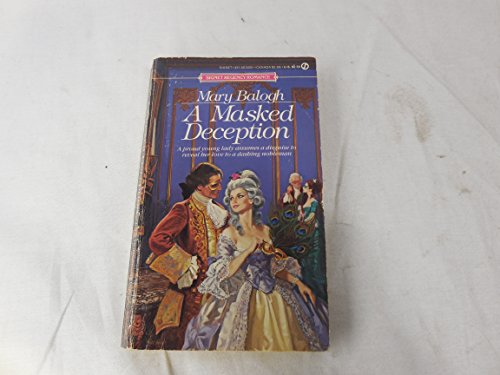


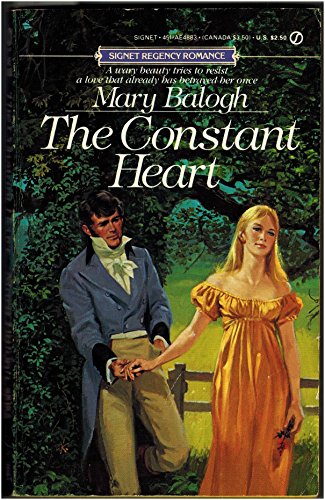

- Secrets of the Heart (1988)
Secrets of the Heart was published in 1988 and is listed as book #6 in the Standalone series. 


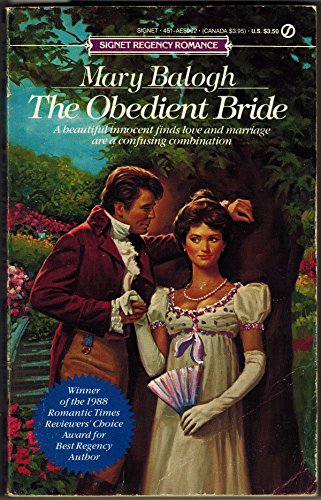
- Lady with a Black Umbrella (1989)
Published in 1989, Lady with a Black Umbrella is listed as book #12 in the Standalone series. 





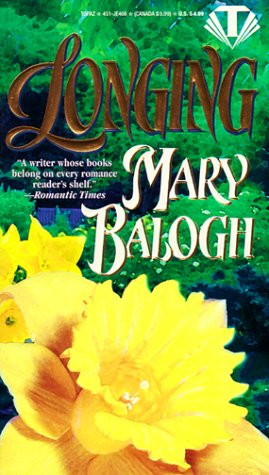


Publication Order of Short Story Collections Books

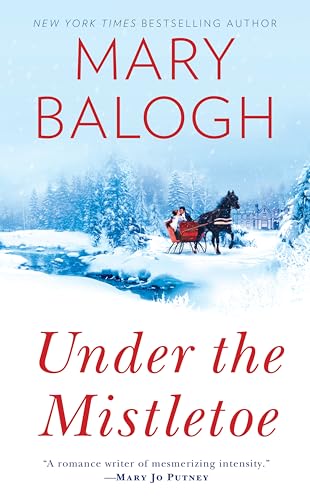


Publication Order of It Happened One Books

About Mary Balogh
Mary Balogh is a Welsh-born Canadian author of historical romance whose work is especially associated with the Regency period. Over a career spanning more than four decades, she has written more than one hundred novels and novellas, with major series including the Bedwyn Saga, the Simply Quartet, the Huxtable Quintet, the Survivors’ Club, the Westcott family novels, and the Ravenswood series. Her fiction is known for emotionally mature relationships, restrained but intense characterization, and a strong interest in people trying to rebuild their lives after grief, disappointment, war, scandal, or social exclusion.
Balogh grew up in Wales and later moved to Canada, where she settled in Saskatchewan. Before becoming a full-time novelist, she worked as a teacher, and that background in literature and education preceded a writing career that began in the 1980s. Her early romances established many of the qualities that would remain central to her later work: close attention to manners and social expectations, protagonists who are rarely emotionally uncomplicated, and romances that develop through conversation, compromise, and gradual changes in perception rather than attraction alone.
The Bedwyn books became one of the defining achievements of her career. The six siblings of the powerful aristocratic family first emerged from characters introduced around A Summer to Remember, then received their own sequence beginning with Slightly Married. The family structure allowed Balogh to develop individual love stories while showing how marriages, loyalties, and reputations affect an entire interconnected circle. The Bedwyn world later became linked to the Simply books and, through characters such as Gwen, Lady Muir, to the Survivors’ Club.
The Survivors’ Club series illustrates another important side of Balogh’s fiction. Its protagonists are men and women physically or emotionally damaged by the Napoleonic Wars who have spent time recovering together at Penderris Hall. Their romances are consequently not about returning characters to an untouched previous life. Balogh is more interested in the possibility of building happiness after trauma has permanently changed someone, an approach that gives the series a distinctive emotional seriousness within historical romance.
Family networks again drive the Westcott novels. Beginning with Someone to Love, the series develops from a revelation that overturns inheritance, legitimacy, and the identity of an aristocratic family. Instead of treating that discovery as the conclusion of a single dramatic plot, Balogh follows its consequences through numerous relatives, allowing people initially positioned as secondary characters to become protagonists of later books.
Her more recent Ravenswood series follows another extended aristocratic family and continues her preference for exploring how one disruptive event can reshape relationships for years afterward. The books remain individual romances, but the recurring cast creates a cumulative portrait of a family working through guilt, resentment, reconciliation, and renewed attachment.
Balogh has also written numerous stand-alone novels, Christmas stories, novellas, and shorter connected series, including the Mistress trilogy, the Horsemen trilogy, the Web trilogy, and the Dark Angel books. This makes her bibliography much broader than any one family saga.
Across that extensive body of work, Balogh’s strongest continuity comes from her treatment of love as something shaped by experience rather than separated from it. Her characters frequently arrive at romance carrying established responsibilities, grief, failed relationships, disabilities, reputational damage, or family obligations. Instead of removing those complications, she makes them central to the emotional development of the relationship, giving her Regency world a depth that extends well beyond drawing-room courtship.