
Below is the complete list of Mary Balogh’s Survivor’s Club books in order. For this series, the chronological reading order is the same as the order of publication.
Publication Order of Survivor’s Club Books





About Survivor’s Club
Mary Balogh’s Survivor’s Club series is a seven-book Regency romance sequence centered on six men and one woman whose lives were permanently altered by the Napoleonic Wars. They originally come together at Penderris Hall, the Cornish estate of George Crabbe, Duke of Stanbrook, where they spend years recovering from physical injuries, psychological trauma, bereavement, and experiences that have left them unable simply to resume their former lives. Their friendship becomes the foundation of the series, with each novel following one survivor toward a different form of love and recovery.
The group first appears before the principal series in The Proposal, which focuses on Hugo Emes, Lord Trentham. Hugo is a former army officer haunted by the deaths of men under his command. His encounter with Gwendoline, Lady Muir, connects the Survivor’s Club to Balogh’s larger Bedwyn world: Gwen had previously appeared in One Night for Love and other related books. Their romance establishes a central principle of the series. Recovery does not mean forgetting the past or becoming the person one was before trauma; it means discovering how to build a meaningful future while continuing to live with what happened.
The Arrangement follows Vincent Hunt, Viscount Darleigh, who was blinded in battle. Vincent is the youngest member of the club and particularly resents being treated as helpless because of his disability. His relationship with Sophia Fry challenges the assumptions of people around him while giving both characters an opportunity to construct a life based on partnership rather than dependence.
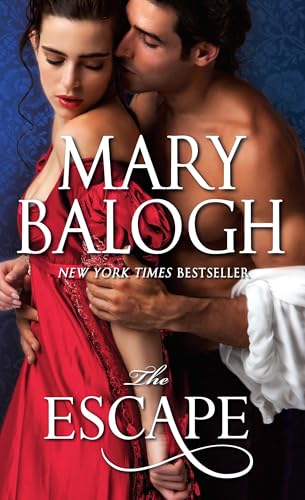
In The Escape, Sir Benedict Harper confronts the physical consequences of devastating leg injuries and the possibility that the active life he once knew may be gone permanently. His developing relationship with Samantha McKay, herself trapped by grief and obligation, makes the novel as much about reclaiming personal agency as romance.
Only Enchanting centers on Flavian Arnott, Viscount Ponsonby, whose wartime head injury left him with speech difficulties, memory problems, and unresolved emotional wounds. Balogh gradually reveals that some of Flavian’s understanding of his own past is incomplete, making his relationship with Agnes Keeping inseparable from his attempt to confront memories he has struggled to process.
Ralph Stockwood, Earl of Berwick, becomes the focus of Only a Promise. His trauma is rooted in survivor’s guilt after the deaths of friends who followed him into war. His initially practical arrangement with Chloe Muirhead develops into something neither expects, continuing Balogh’s exploration of marriages begun for reasons other than romantic love.
Only a Kiss turns to Imogen Hayes, Lady Barclay, the club’s only woman. Imogen accompanied her husband to the Iberian Peninsula and endured experiences that left profound psychological scars. Her outward composure hides a history that Percy Hayes, Earl of Hardford, cannot initially understand. Their relationship explores the isolation created when trauma remains invisible to everyone except those who have lived through something similar.
The sequence culminates with Only Beloved, featuring George, Duke of Stanbrook. Throughout the earlier novels, George provides Penderris as a sanctuary and supports the others through their recovery. His own losses—the death of his son during the war and the subsequent death of his wife—have largely remained beneath the surface. Giving him the final romance allows Balogh to turn attention toward the man who helped everyone else survive.
The Survivor’s Club is distinctive because its members are not magically healed by love. Blindness, lasting injuries, grief, traumatic memories, and psychological scars remain part of their lives. What changes is their belief that those experiences must exclude them from happiness. Across seven romances, Balogh presents survival not as returning to who someone used to be, but as learning that a damaged past and a hopeful future can exist within the same life.