
Below is the complete list of Karen Rose’s Chicago Romantic Suspense books in order. For this series, the chronological reading order is the same as the order of publication.
Publication Order of Chicago Romantic Suspense Books




About Chicago Romantic Suspense
Karen Rose’s Chicago Romantic Suspense books form the foundation of the interconnected crime-fiction world she later expanded into Baltimore, Cincinnati, Sacramento, New Orleans, San Diego, and other regional sequences. Beginning with Don’t Tell, these early novels establish Rose’s characteristic mixture of serial crime, police investigation, psychological suspense, family relationships, and romance between people already carrying substantial emotional scars.
Don’t Tell introduces Caroline Stewart, formerly Mary Grace Winters, who has built a new life in Chicago after escaping an abusive police-officer husband. She and her son have lived under assumed identities for years when her past begins closing in on them. Her relationship with Max Hunter, a university professor and former basketball player, provides the emotional center, but Caroline’s determination to protect the life she created also introduces an important theme that runs throughout Rose’s later work: survivors are active participants in confronting danger rather than simply people waiting to be rescued.
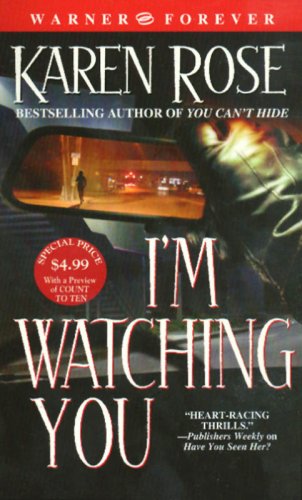
The Chicago world expands significantly in I’m Watching You. Prosecutor Kristen Mayhew begins receiving messages and evidence from a vigilante who is murdering criminals who escaped punishment through the justice system. Detective Abe Reagan works with her to identify the killer, creating a moral complication beyond the straightforward pursuit of a murderer. The victims may have committed terrible crimes, but the investigation forces Kristen and Abe to confront what happens when frustration with an imperfect justice system becomes justification for execution.
Nothing to Fear shifts toward Dana Dupinsky, who operates a shelter for abused women. Her commitment to protecting vulnerable people is turned against her when a dangerous woman arrives posing as someone who needs refuge while secretly holding a kidnapped boy. Security specialist Ethan Buchanan joins the search because the missing child is his godson. The shelter setting connects naturally with concerns already present in Don’t Tell, particularly the difficulty of protecting people whose abusers or enemies know how to exploit institutional weaknesses.
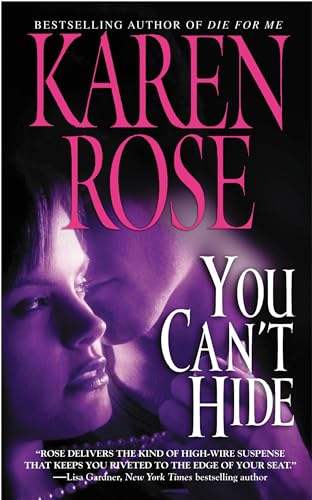
Psychiatrist Tess Ciccotelli becomes the target in You Can’t Hide. Someone is manipulating her patients, engineering apparent suicides, and deliberately creating evidence that makes Tess appear professionally responsible. Detective Aidan Reagan initially clashes with her over confidentiality and access to patient information, but the escalating attacks make clear that the killer is constructing an elaborate campaign specifically designed to destroy her.
Count to Ten brings Detective Mia Mitchell together with Chicago Fire Department Lieutenant Reed Solliday after a suspicious fire is revealed to conceal murder. As additional fires appear, the investigation develops into the hunt for an offender using arson as part of a larger pattern of revenge. Mia’s connections to characters from previous novels reinforce how firmly Rose had established Chicago as a continuing community by this stage.
One point of classification can cause confusion. Have You Seen Her? appears between Don’t Tell and I’m Watching You in Rose’s overall Romantic Suspense publication sequence and shares connections with the wider character universe, but its principal action takes place in North Carolina. Some bibliographies therefore include it among the earliest Chicago-era books, while stricter location-based groupings treat the core Chicago sequence separately.
That distinction reflects the larger structure of Rose’s work. The novels are not one continuous investigation, and each foregrounds a new romantic pair and criminal threat. What accumulates instead is a network of detectives, prosecutors, survivors, relatives, and friends who reappear after their own stories have ended. Chicago established the model Rose would continue for decades: solving the current crime may close a case, but the people who survive it remain part of a much larger world.