
Below is the complete list of James Lee Burke’s Holland Family Universe books in order. For this series, the chronological reading order is the same as the order of publication.
Publication Order of Holland Family Universe Books





About Holland Family Universe
James Lee Burke’s Holland Family Universe is less a conventional series than a multigenerational American saga told through linked families, recurring bloodlines, and characters who carry the same burdens across different eras. The Holland novels move through Texas, Louisiana, Montana, Mexico, war, oil country, border violence, Depression memory, organized crime, political corruption, and the long moral afterlife of American history. They connect to Burke’s crime fiction, but they are broader than detective novels. At their deepest level, they are about inheritance: not only land, name, and family loyalty, but guilt, courage, violence, and the stories people pass down because they cannot escape them.
The sequence begins early in Burke’s career with Lay Down My Sword and Shield, a novel centered on Hackberry Holland, a Texas lawyer and political figure whose life is marked by personal compromise, public failure, and a restless search for redemption. That book establishes a central Holland pattern: the protagonist is usually a man of conscience, but not innocence. Burke’s Holland characters often know the law, have served in war, or carry public authority, yet they are repeatedly drawn into situations where legality and justice are not the same thing.
Two for Texas widens the family’s historical reach, moving into the nineteenth century and the violent formation of Texas identity. From there, the universe later develops through the Billy Bob Holland books—Cimarron Rose, Heartwood, Bitterroot, and In the Moon of Red Ponies. Billy Bob is a Texas attorney and former lawman whose cases mix courtroom pressure, private grief, family loyalty, and the ugliness of power protected by money. These novels are closer to legal and crime fiction, but they still carry the larger Holland atmosphere: men trying to act honorably in places where history has already poisoned the ground.
The Hackberry Holland novels Rain Gods and Feast Day of Fools move into a harsher borderland register. They are crime novels with thriller elements, but their real force comes from Burke’s vision of the Southwest as a place where human cruelty, spiritual yearning, myth, and political violence share the same landscape. Hackberry is old, stubborn, damaged, and still willing to confront evil directly, even when the confrontation feels almost biblical in scale.
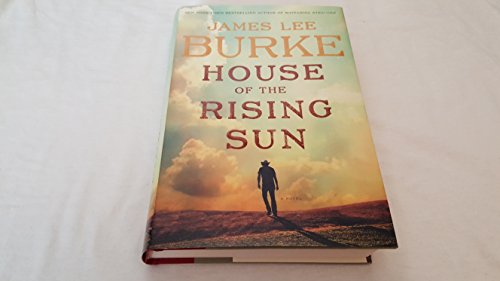
With Wayfaring Stranger and House of the Rising Sun, Burke pushes the Holland material into a more explicitly historical and generational mode. Weldon Avery Holland’s story reaches across war, oil, Hollywood, crime, and the making of modern American power. These books show Burke’s recurring belief that history is not safely behind us. It lives in fortunes, institutions, family silences, and the violence respectable people prefer to outsource.
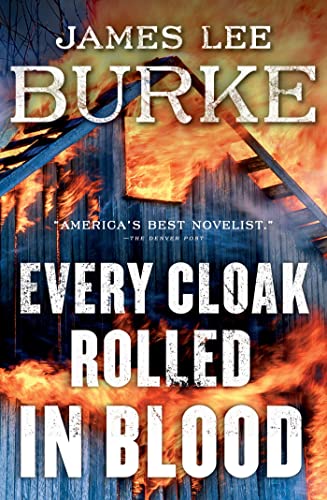
The later Aaron Holland Broussard books—The Jealous Kind, Another Kind of Eden, Every Cloak Rolled in Blood, and Don’t Forget Me, Little Bessie—give the universe a more reflective, memory-haunted quality. Aaron is tied to youth, writing, war, loss, and the burden of seeing too clearly. Bessie Holland’s story adds another branch to the family’s moral inheritance, bringing a young girl’s courage into a world of oil interests, intimidation, and rural danger.
The Holland Family Universe is best approached with flexibility. Publication order shows Burke’s growth and the way he kept returning to the Hollands over decades. Chronological order can emphasize the family saga. Character-based reading can isolate Billy Bob, Hackberry, Weldon, or Aaron. No single route exhausts the design, because the books are meant to echo one another rather than form one straight line. Across the sequence, the Holland name becomes a vessel for Burke’s great subjects: American violence, flawed honor, family memory, and the stubborn belief that grace may still exist even in places soaked with blood.