
Below is the complete list of Carol Shields books in order. For each series, the chronological reading order is the same as the order of publication.
Publication Order of Standalone Books


Publication Order of Plays Books


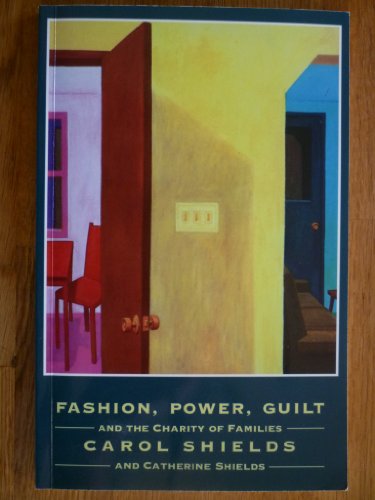

Publication Order of Graphic Novels Books

Publication Order of Collections Books


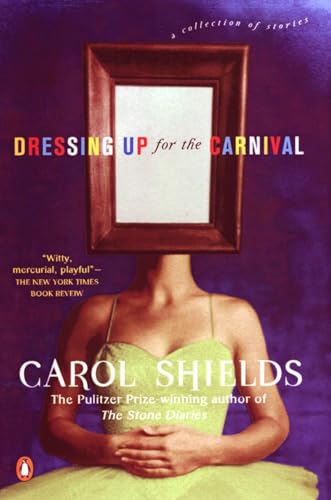

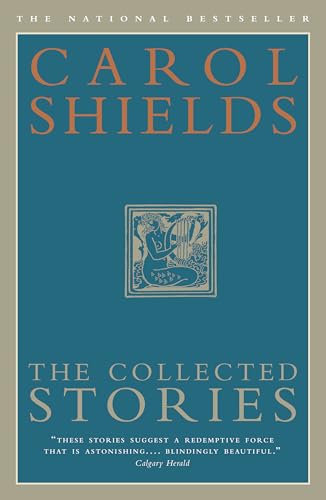

Publication Order of Non-Fiction Books
Publication Order of Dropped Threads Books


Publication Order of Short Story Collections Books
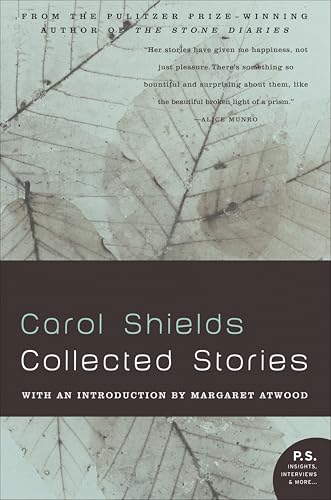
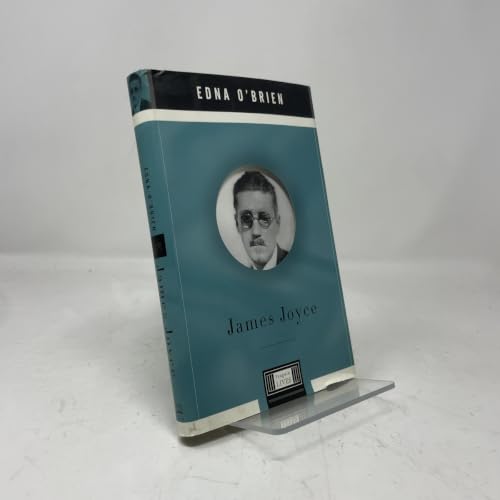
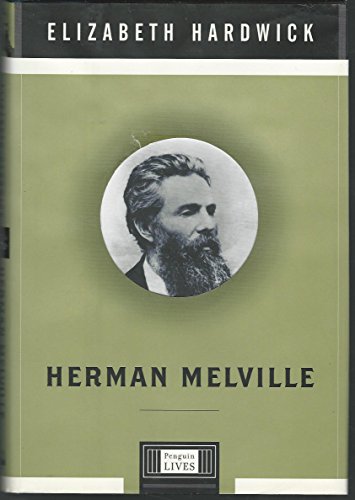
Publication Order of Penguin Lives Books









About Carol Shields
Carol Shields was an American-born Canadian novelist, short-story writer, poet, playwright, essayist, and biographer whose fiction found extraordinary depth in seemingly ordinary lives. Marriage, friendship, work, motherhood, memory, aging, and the small rituals of domestic existence recur throughout her writing, often accompanied by a quiet awareness of how easily women’s experiences can be overlooked. Her international reputation rests especially on The Stone Diaries, which won the Pulitzer Prize for Fiction and Canada’s Governor General’s Literary Award, but her body of work extends through novels, stories, poetry, drama, criticism, and literary biography.
Born Carol Ann Warner in Oak Park, Illinois, in 1935, Shields studied at Hanover College and spent time at the University of Exeter in England. In 1957 she married Donald Shields and moved to Canada, where they raised five children. She later earned a master’s degree from the University of Ottawa, completing academic work on nineteenth-century Canadian writer Susanna Moodie.
Shields began publishing poetry before turning to longer fiction. Her first novel, Small Ceremonies, appeared in 1976 and introduced many qualities that would remain characteristic of her work: close observation of daily routines, interest in the construction of identity, and playful attention to the ways people tell stories about themselves. Its protagonist is a biographer, reflecting Shields’s enduring fascination with the boundary between a documented life and the version of that life created through narrative.
Books such as The Box Garden, Happenstance, and A Fairly Conventional Woman continued her investigation of marriage, family, creativity, and female independence. Happenstance is especially notable for its unusual structure, presenting the same marriage through separate perspectives of husband and wife and demonstrating how two people can inhabit a shared life while understanding it differently.
Swann brought literary mystery into Shields’s examination of authorship. The novel revolves around the work and reputation of an obscure Canadian poet whose life becomes increasingly shaped by the scholars attempting to interpret her after her death. The Republic of Love, meanwhile, uses romance to explore loneliness, compatibility, and the difficulty of reconciling imagined love with ordinary adult experience.
Her greatest international success came with The Stone Diaries. Through Daisy Goodwill Flett, Shields constructs an entire twentieth-century life using shifting voices, photographs, documents, omissions, and competing accounts. The novel asks who controls the story of a seemingly unremarkable woman and what disappears when a life is reduced to conventional milestones. Alongside the Pulitzer and Governor General’s Award, it was shortlisted for the Booker Prize.
Larry’s Party performs a related experiment with a male protagonist, following maze designer Larry Weller across years of marriages, work, reinvention, and middle age. It won the Orange Prize for Fiction. Shields’s final novel, Unless, is more overtly concerned with gender and literary authority, following writer and translator Reta Winters after her daughter suddenly withdraws from ordinary life.
Shields also produced acclaimed short-story collections including Various Miracles, The Orange Fish, and Dressing Up for the Carnival. Her nonfiction included a concise biography of Jane Austen, a writer she deeply admired, which won the Charles Taylor Prize for Literary Non-Fiction.
Alongside writing, Shields taught at several Canadian universities and became chancellor of the University of Winnipeg in 1996. She died in Victoria, British Columbia, in 2003 at the age of sixty-eight. Her fiction endures because it refuses the assumption that significance belongs only to dramatic lives. Shields repeatedly showed that an ordinary household, marriage, friendship, career, or private disappointment could contain an entire world when observed with sufficient precision.