
Below is the complete list of Dennis Lehane books in order. For each series, the chronological reading order is the same as the order of publication.
Publication Order of Kenzie & Gennaro Books


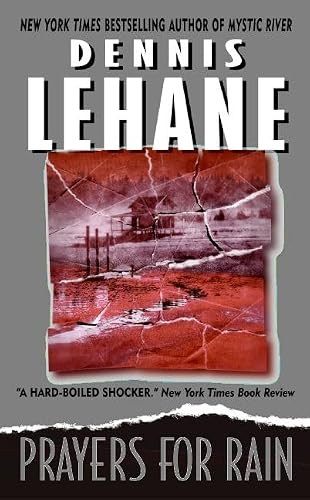

Publication Order of Coughlin Books


Publication Order of Standalone Books
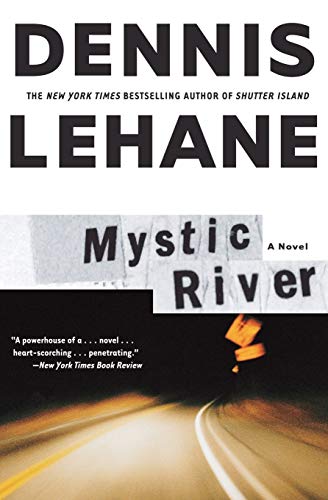
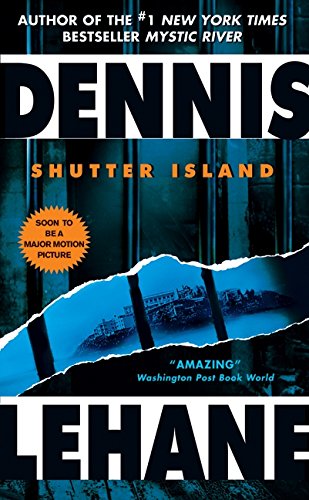


Publication Order of Short Stories/Novellas Books

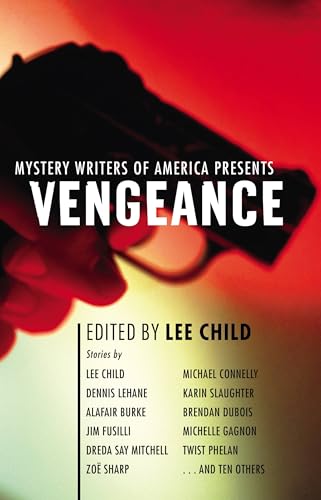

Publication Order of Short Story Collections Books

Publication Order of Graphic Novels Books

Publication Order of Akashic Noir Books


Publication Order of Michael Connelly Short Stories/Novellas Books
with Michael Connelly

About Dennis Lehane
Dennis Lehane is an American crime novelist and screenwriter whose work is strongly associated with Boston’s working-class neighborhoods, particularly the communities in which he grew up. His fiction combines mystery and thriller plotting with close attention to class, family, loyalty, violence, race, and the influence of place on personal identity. From private-eye novels to historical crime sagas and stand-alone psychological thrillers, Lehane has built a bibliography in which criminal acts are rarely isolated puzzles; they tend to expose older wounds within families and communities.
Lehane grew up in Boston and later studied creative writing at Eckerd College in Florida, graduating in 1988, before earning an MFA in creative writing from Florida International University. His connection with Eckerd continued long after graduation. In 2005, he and writer Sterling Watson founded Writers in Paradise, an annual conference bringing established authors together with developing writers for workshops and discussions of craft.
His publishing career began with A Drink Before the War in 1994. The novel introduced Boston private investigators Patrick Kenzie and Angela Gennaro and won the Shamus Award. Their cases became Lehane’s first major series, moving through novels including Darkness, Take My Hand, Gone, Baby, Gone, and Prayers for Rain. The books combine detective fiction with a particularly intimate knowledge of neighborhood loyalties, political corruption, economic divisions, and violence that can persist across generations. Lehane eventually returned to Kenzie and Gennaro with Moonlight Mile after spending several years on other projects.
His reputation expanded well beyond series mystery fiction with Mystic River and Shutter Island. Mystic River examines the consequences of childhood trauma, murder, friendship, and suspicion within a tightly bound Boston community, while Shutter Island uses a remote psychiatric institution and an increasingly uncertain investigation to move into darker psychological territory. Both became major films, as did Gone, Baby, Gone. Live by Night, another of Lehane’s novels, was later adapted for the screen as well.
Lehane also created an ambitious historical sequence beginning with The Given Day. Together with Live by Night and World Gone By, these novels follow members of the Coughlin family across periods of social upheaval, Prohibition, organized crime, and changing American institutions. The trilogy demonstrates a broader historical scope than his Kenzie-Gennaro mysteries while retaining his interest in power, divided loyalties, criminal organizations, and people shaped by forces larger than themselves.
Later stand-alone novels continued to move in different directions. Since We Fell combines psychological suspense with crime, while Small Mercies returns forcefully to Boston, setting a missing-person story against the turmoil surrounding school desegregation in 1974. Lehane’s use of Boston is consequently more than geographical familiarity: across different periods, the city becomes a way of examining tribal identity, prejudice, economic pressure, community solidarity, and the violence that can emerge when those forces collide.
His career has also developed extensively in television and film. Lehane wrote for HBO’s The Wire and worked as a writer-producer on Boardwalk Empire and Bloodline, followed by work on adaptations including Mr. Mercedes and The Outsider. He created, wrote, and produced the Apple TV+ limited series Black Bird. He also adapted his own short fiction into the screenplay for The Drop.
That movement between novels and screenwriting helps explain the breadth of Lehane’s bibliography. His books can be divided into recurring detective fiction, historical crime, and stand-alone psychological novels, but they share a recognizable concern with consequences. Crimes uncover histories; loyalties carry costs; communities protect people while sometimes trapping them. Whether writing about private investigators, gangsters, grieving families, or people caught inside moments of social upheaval, Lehane consistently treats crime as a means of examining the people and environments that produce it.