
Below is the complete list of Rhys Dylan’s DCI Evan Warlow / Black Beacons books in order. For this series, the chronological reading order is the same as the order of publication.
Publication Order of DCI Evan Warlow / Black Beacons Books


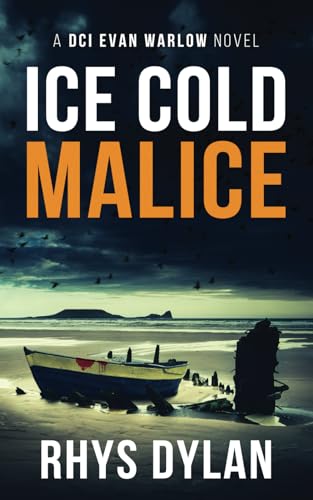


About DCI Evan Warlow / Black Beacons
Rhys Dylan’s DCI Evan Warlow novels are Welsh police procedurals built around an experienced detective whose attempted retirement ends when an unresolved case returns with physical evidence. The sequence is sometimes catalogued under the alternative Black Beacons name, but the author presents it primarily as the DCI Evan Warlow series. These are not two separate bodies of work: both labels refer to the same continuing run of murder investigations set across west and mid Wales.
The Engine House introduces Warlow after a landslip on the Pembrokeshire coast exposes the remains of two people who disappeared during one of his old cases. The discovery pulls him out of retirement and forces him to revisit both the investigation and the personal difficulties that contributed to his withdrawal from police work. His return is not treated as an effortless restoration of authority. Warlow carries doubts about his judgment, while colleagues and critics have their own reasons to question whether he should resume command.
That uncertainty gives the early novels a continuing thread beneath their separate cases. Warlow must rebuild confidence in himself, re-establish his place within an active investigative team, and confront professional failures that cannot be dismissed simply because he has returned to the rank of detective chief inspector. Later investigations continue to develop his working relationships and private life, allowing consequences to accumulate without making every murder part of one extended conspiracy.
The individual cases range across coastal communities, isolated farms, former mining areas, reservoirs, mountain roads, villages, military land, and remote holiday properties. Dylan makes geography part of the investigative problem. Distance slows communication, difficult terrain conceals bodies, and apparently peaceful communities can preserve secrets because residents know one another too well. The vast Dyfed-Powys policing area also allows the series to move through different versions of contemporary Wales rather than remaining tied to one town.
Its Welsh identity extends beyond scenery. The novels draw upon communities shaped by agriculture, tourism, industrial decline, local rivalries, inherited land, and changing economic pressures. Abandoned mines, dams, farmhouses, wooded valleys, and exposed hills often carry histories that become inseparable from the present crime. The landscape may appear beautiful, but it is rarely neutral; it preserves evidence, isolates victims, and reminds investigators that violence can remain hidden for years.
Warlow is a mature, methodical protagonist rather than a reckless detective who repeatedly ignores procedure. His experience helps him recognize evasions and patterns, yet age and past mistakes leave him conscious of his limitations. The investigative team provides continuity and prevents the books from becoming solitary quests. Professional disagreements, loyalty, fatigue, and dry humor give the police work a human rhythm while evidence, interviews, forensic findings, and competing theories move each case forward.
The series combines traditional procedural structure with elements of Celtic noir. Its crimes frequently emerge from family resentments, old accusations, economic desperation, revenge, and the instinct of small communities to protect their own. Violence can be severe, but the books are driven primarily by investigation and character rather than graphic spectacle. Dylan’s medical background also supports the clear attention given to injury, physical evidence, and the disciplined interpretation of what a body or crime scene can reveal.
Most installments resolve their principal investigation, but the development of Warlow and his colleagues is cumulative. Publication order preserves his return from retirement, the rebuilding of the team, and the gradual reappearance of unresolved personal and professional pressures. The separate novella The Wolf Hunts Alone provides additional Warlow material, but The Engine House remains the natural foundation for the main sequence. What follows is an expanding portrait of a detective who understands that closing a case does not necessarily remove its consequences—and of a Welsh landscape where the past is rarely as buried as it appears.