
Below is the complete list of Michael Connelly’s Bosch Universe books in order. For this series, the chronological reading order is the same as the order of publication.
Publication Order of Bosch Universe Books





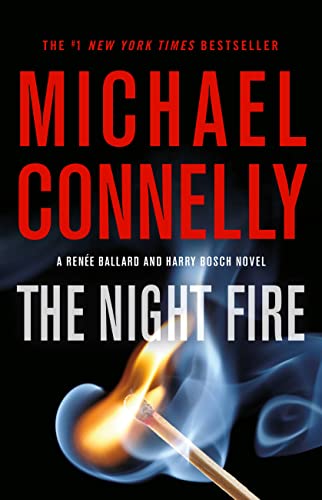

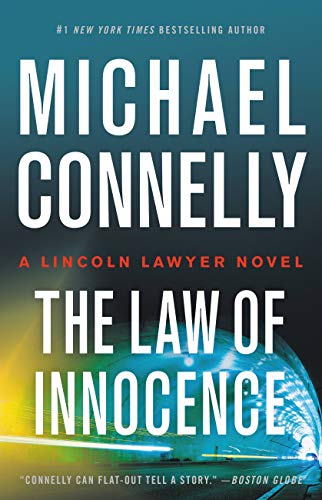


Michael Connelly’s “Bosch Universe” is a shared fictional world centered on LAPD detective Harry Bosch, with connections to recurring characters including Mickey Haller, Renée Ballard, and journalist Jack McEvoy.
About Bosch Universe
Michael Connelly’s Bosch Universe is less a single formal series than an interconnected crime-fiction world built over decades, with Harry Bosch at the center and other major characters gradually moving in and out of his orbit. Connelly’s official series page makes that structure explicit: many of his main characters appear together across different books, and the overlap is a defining feature rather than a side note. Harry Bosch remains the centerpiece, but Mickey Haller, Renée Ballard, Jack McEvoy, and others all help widen the canvas.
What makes this universe work so well is that the connections feel organic. Bosch begins as the core figure, a relentless Los Angeles detective whose cases helped define Connelly’s version of modern noir. But as the books expand, the world around him grows richer instead of more crowded. Mickey Haller brings in the legal-thriller side of Connelly’s storytelling, turning courtroom strategy and defense work into a natural extension of Bosch’s investigations. Renée Ballard adds a newer LAPD perspective, and Connelly has written that once she became a regular character, he saw all of his books as part of “one big mosaic,” with Bosch as the centerpiece but plenty of room for other lives and cases.
That mosaic quality is the real appeal of the Bosch Universe. These books are not connected only by cameo appearances. They build a broader moral and institutional portrait of Los Angeles crime, law enforcement, and justice. Bosch works the street and the cold case. Haller works the courtroom. Ballard brings fierce, contemporary pressure from inside the LAPD. Jack McEvoy adds the journalist’s angle, giving the universe another way to examine truth, corruption, and public narrative. The result is a body of fiction where different kinds of investigation intersect without feeling forced.
A few key crossover novels show how naturally this world developed. Books like The Brass Verdict and The Reversal bring Bosch and Haller together in ways that deepen both characters rather than treating the meeting as a stunt. Later novels such as Dark Sacred Night, The Night Fire, The Dark Hours, Desert Star, and The Waiting show Bosch and Ballard working in increasingly close alignment. By that point, the Bosch Universe no longer feels like separate series occasionally touching. It feels like one long, layered narrative about crime and justice in Los Angeles, seen through different professions, generations, and temperaments.
Another reason the universe holds together is tonal consistency. Whether the lead is Bosch, Haller, or Ballard, Connelly writes with the same deep interest in institutions under strain, damaged people trying to do honest work, and the idea that justice is always partial, fragile, and contested. Bosch is central because he embodies that vision most fully, but the other characters sharpen it by contrast. Haller is more flexible, more tactical, and more comfortable in ambiguity. Ballard is newer, fiercer, and less burdened by Bosch’s long history, even when she inherits some of his obsessions. Those differences keep the books from flattening into one repeated formula.
Seen beneath an already completed list, the best way to understand the Bosch Universe is as Michael Connelly’s full crime-fiction architecture rather than only the Harry Bosch shelf. Bosch is the anchor, but the universe matters because it lets Connelly examine the same city and its failures from multiple angles: detective work, defense law, journalism, and the uneasy collaboration between old instincts and newer voices. That is what gives the books their unusual depth. They are connected not just by character overlap, but by a shared moral landscape that keeps expanding while still feeling tightly controlled.