
Below is the complete list of Stephenie Meyer’s Twilight books in order. For this series, the chronological reading order is the same as the order of publication.
Publication Order of Twilight Books


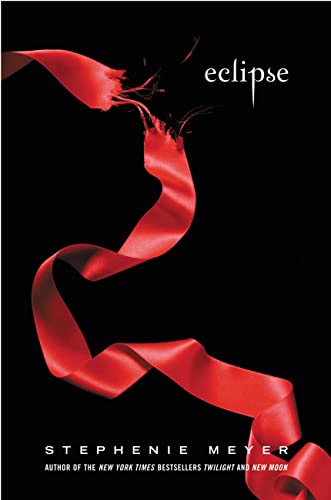

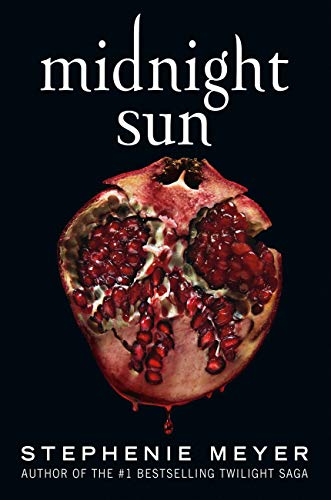
Publication Order of Twilight Short Stories/Novellas Books


Publication Order of Twilight Companion Books


Publication Order of Twilight: The Graphic Novel Books
with Young Kim


About Twilight
Stephenie Meyer’s Twilight series is one of the defining young adult publishing phenomena of the twenty-first century, but its real shape is simpler and more contained than its cultural afterlife sometimes suggests. At its core, the main saga consists of four novels: Twilight, New Moon, Eclipse, and Breaking Dawn. Those books tell one continuous story, and publication order is the natural way to read them because the emotional logic, character dynamics, and shifting alliances build directly from one volume into the next. This is not a loose paranormal world where readers can jump around freely. Each book depends on what the last one changed.
The series begins with Bella Swan’s move to Forks, Washington, and her relationship with Edward Cullen, but what made the books resonate so widely was not just the supernatural romance itself. Meyer built the series around intensity: first love treated as overwhelming, transformative, and inescapable. The paranormal elements matter, especially the vampire mythology and the later expansion of the werewolf world, but the books are driven above all by emotional absolutism. Desire, jealousy, devotion, fear, abstinence, protection, and self-sacrifice are all turned up to a level that feels almost mythic. That heightened emotional register is central to how the series works. Readers who connect with Twilight usually connect not because it is subtle, but because it is so committed to its own feelings.
Publication order matters because the series expands in layers. Twilight establishes the central romance and the rules of the Cullen family’s world. New Moon deepens the series by shifting the emotional balance and greatly enlarging Jacob Black’s role, which in turn opens the werewolf side of the story. Eclipse is where the triangle structure and the broader tensions between vampires and wolves are brought into sharper focus, while Breaking Dawn pushes the series into its most divisive and structurally ambitious territory, resolving the long-building questions around Bella’s future, marriage, transformation, and the scale of the supernatural world surrounding her. Read in order, those developments feel cumulative. Read out of order, much of the series’ emotional architecture collapses.
There is also some understandable confusion around what belongs to the “Twilight series” proper. The Short Second Life of Bree Tanner is a related novella, not a fifth main installment. It grows out of events surrounding Eclipse and works best as a companion piece rather than part of the core reading line. Midnight Sun is different again: it retells the events of Twilight from Edward’s perspective. It is not the next step in the plot, but an alternate-angle companion to the first book. That distinction matters for readers trying to understand the order cleanly. If the goal is the main story, the four original novels remain the backbone. The companion books are best read after the relevant main entries, not in place of them.
The setting is also a larger part of the series’ identity than it sometimes gets credit for. Forks, with its rain, isolation, forests, and muted atmosphere, gives the first book in particular a strong Gothic-romantic mood. As the series grows, that mood broadens into something more mythic and international, but the sense of place remains important. Meyer’s supernatural world is less urban-fantasy sprawl than enclosed emotional weather. The landscapes, the weather, and the small-town secrecy all support the series’ tone of claustrophobic longing.
What keeps the books connected most powerfully, though, is the way Meyer treats transformation. The series is about romance, but also about identity, belonging, and the desire to cross from one life into another. Bella’s story is not simply about choosing between two love interests. It is about choosing what kind of existence she wants, what she is willing to lose, and what she believes love should demand. That is why publication order matters so much. The series is built as one escalating argument about love, mortality, and change, and its impact is strongest when allowed to unfold in the order readers first encountered it.