
Below is the complete list of Toni Morrison books in order. For each series, the chronological reading order is the same as the order of publication.
Publication Order of Who’s Got Game? Books


Publication Order of Standalone Books


Publication Order of Short Stories/Novellas Books


Publication Order of Chapbooks Books


Publication Order of Picture Books


Publication Order of Plays Books

Publication Order of Non-Fiction Books


Publication Order of American Poets Continuum Books


Publication Order of The Last Interview Books









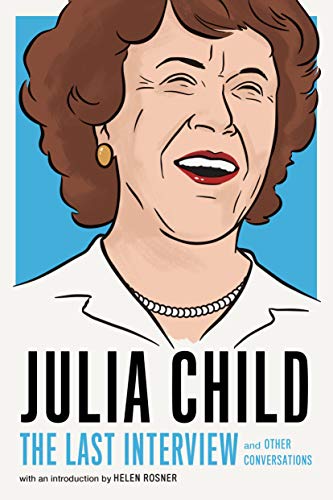


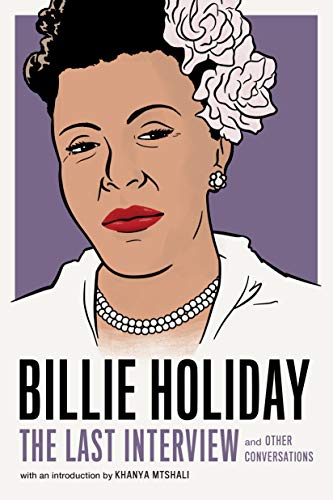


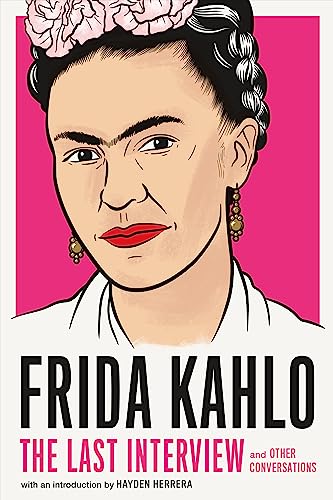


- Shirley Chisholm (2021)
(By Shirley Chisholm)
Published in 2021, Shirley Chisholm is listed as book #32 in the The Last Interview series. 
- Fred Rogers (2021)
(By Fred Rogers)
In the The Last Interview series, Fred Rogers is book #34 and was published in 2021. 


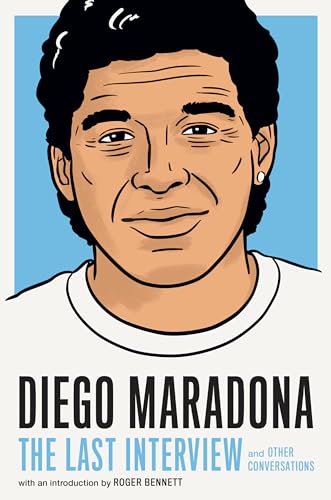


Publication Order of The Charles Eliot Norton Lectures Books




- Sincerity and Authenticity (1972)
(By Lionel Trilling)
Sincerity and Authenticity was first published in 1972; within the The Charles Eliot Norton Lectures series, it is listed as book #5. 

- The Romantic Generation (1995)
(By Charles Rosen)
The Romantic Generation is a 1995 release and appears as book #8 in the The Charles Eliot Norton Lectures series. 


Publication Order of The William E. Massey Sr. Lectures Books


- Writing Was Everything (1998)
(By Alfred Kazin)
Writing Was Everything was published in 1998 and is listed as book #6 in the The William E. Massey Sr. Lectures series. 

- The Real American Dream (1999)
(By Andrew Delbanco)
In the The William E. Massey Sr. Lectures series, The Real American Dream is book #9 and was published in 1999. 


- Three Songs, Three Singers, Three Nations (2015)
(By Greil Marcus)
Published in 2015, Three Songs, Three Singers, Three Nations is listed as book #17 in the The William E. Massey Sr. Lectures series. - Just A Journalist (2017)
(By Linda Greenhouse)
Just A Journalist is a 2017 release and appears as book #18 in the The William E. Massey Sr. Lectures series.
About Toni Morrison
Toni Morrison (1931–2019) was an American novelist, essayist, editor, and professor whose writing transformed contemporary literature through its exploration of African American history, identity, memory, and community. Celebrated for her lyrical prose, complex characters, and innovative narrative structures, she became the first Black woman to receive the Nobel Prize in Literature in 1993. Her eleven novels, including The Bluest Eye, Song of Solomon, and Beloved, established her as one of the most influential American writers of the twentieth and twenty-first centuries.
Born Chloe Anthony Wofford on February 18, 1931, in Lorain, Ohio, Morrison was the second of four children in a working-class African American family. Her parents, George and Ramah Wofford, encouraged reading, storytelling, music, and an appreciation of Black cultural traditions. Their stories about family history, folklore, and racial injustice profoundly influenced her understanding of language and the relationship between personal experience and collective memory.
Morrison graduated from Howard University in 1953 with a degree in English before earning a master’s degree from Cornell University in 1955. She subsequently taught at Texas Southern University and Howard University, where she began developing her literary interests while raising two sons.
During the 1960s, Morrison joined a writers’ group and began working on a story about a young Black girl who desperately wanted blue eyes. That idea eventually became her debut novel, The Bluest Eye (1970), a powerful examination of racial prejudice, childhood trauma, and destructive standards of beauty.
By then, Morrison had established a career in publishing, working as an editor at Random House. She played an important role in bringing African American literature and political thought to a wider readership, championing writers and intellectuals whose perspectives had frequently been marginalised by mainstream publishing.
Her editorial work included supporting the publication of books by Angela Davis, Gayl Jones, and other significant Black voices. Morrison also helped develop The Black Book (1974), a collection of photographs, documents, and historical materials examining African American life and culture.
Her second novel, Sula (1973), explored friendship, social expectations, and the contrasting lives of two women growing up in an Ohio community. The novel received a National Book Award nomination, strengthening Morrison’s reputation as a major literary talent.
Song of Solomon (1977) marked another breakthrough. Following Macon “Milkman” Dead III as he investigates his family’s history, the novel examines ancestry, identity, and the search for personal freedom. It received the National Book Critics Circle Award and introduced Morrison’s work to an increasingly broad audience.
Her most celebrated novel, Beloved (1987), drew inspiration from the historical experiences of Margaret Garner, an enslaved woman who escaped from Kentucky in the nineteenth century. Centred on Sethe, a formerly enslaved mother haunted by an unbearable decision, the novel explores slavery’s psychological legacy through memory, haunting, and fragmented storytelling.
Beloved won the Pulitzer Prize for Fiction in 1988 and became one of the defining works of modern American literature. Alongside Jazz (1992) and Paradise (1997), it is frequently discussed as part of Morrison’s thematic trilogy examining African American history across different periods.
In 1993, Morrison received the Nobel Prize in Literature, becoming the first African American woman to earn the distinction. The award recognised the extraordinary artistic power of her fiction and its contribution to understanding American experience.
Her academic career was equally distinguished. In 1989, she joined Princeton University as the Robert F. Goheen Professor in the Humanities, continuing to teach and influence generations of students and scholars.
Beyond novels, Morrison published influential literary criticism, including Playing in the Dark: Whiteness and the Literary Imagination (1992), which examined the significance of race in American literary traditions. She also collaborated with her son Slade Morrison on children’s books, including The Big Box and The Book of Mean People.
Her later fiction continued exploring historical injustice and personal suffering. A Mercy (2008) examined the foundations of slavery in colonial America, while Home (2012) followed a Korean War veteran struggling with trauma and racial discrimination. Her final novel, God Help the Child (2015), investigated the lasting consequences of childhood rejection and emotional abuse.
Morrison received numerous honours, including the Presidential Medal of Freedom in 2012. She died on August 5, 2019, in New York City, aged eighty-eight.
Her literary legacy extends beyond individual achievements. Through richly layered narratives, Morrison challenged conventional representations of American history, placing Black experiences, voices, and cultural traditions at the centre of literary storytelling. Her work remains essential for its examination of how history shapes identity, how communities preserve memory, and how language can reveal experiences that societies have attempted to silence.