
Below is the complete list of P. C. Cast’s Goddess Summoning books in order. For this series, the chronological reading order is the same as the order of publication.
Publication Order of Goddess Summoning Books


About Goddess Summoning
P. C. Cast’s Goddess Summoning series is a set of romantic fantasy retellings built around myth, transformation, modern women, and the intervention of goddesses in mortal love. Unlike House of Night, which is a long young adult vampyre saga co-written with Kristin Cast, Goddess Summoning belongs to Cast’s solo adult paranormal-romance work. The books are connected more by concept and tone than by a single continuing plot: each story reworks a mythic or legendary framework through a contemporary heroine who is pulled into a larger, more magical version of herself. Cast’s official series page describes these as “steamy and magical Goddess retellings” that can be read in any order.
That flexible reading order is important. Goddess Summoning is not a tightly serialized fantasy sequence where one book’s ending directly determines the next. The pleasure comes from variation: sea myth, underworld romance, divine games, fairy-tale transformation, beauty and self-worth, Trojan legend, and Arthurian reinvention. Most series lists treat the original run as seven books, from Goddess of the Sea through Goddess of Legend, while Cast’s current Goddess Summoning page spotlights six rereleased titles and presents them as standalone retellings rather than a strict chronological arc.
The early books establish the pattern clearly. In Goddess of the Sea, a mortal woman is drawn into the sea and into romance with a merman, blending wish-fulfillment with mythic displacement. Goddess of Spring turns toward Persephone and Hades, using the underworld not simply as a place of death, but as a landscape of power, loneliness, and unexpected desire. Goddess of Light brings Artemis and Apollo into a modern woman’s romantic life, while Goddess of the Rose reshapes the Beauty and the Beast pattern through Cast’s goddess-centered imagination. The official series page’s book descriptions emphasize exactly this mixture of modern women, ancient divine forces, and romantic transformation.
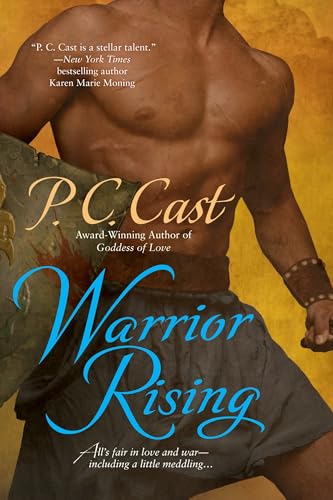
The middle and later titles continue that approach by treating mythology as emotional opportunity rather than distant tradition. Goddess of Love uses Venus to help a woman discover her own desirability and confidence, making the goddess less a remote figure than a catalyst for self-recognition. Warrior Rising moves into the world of the Trojan War, where powerful goddesses try to alter Achilles’s fate through the arrival of a modern woman. Some editions and international listings also associate this sixth story with the title Goddess of Troy, which can make the order look slightly confusing, but it refers to the same broad Goddess Summoning material.
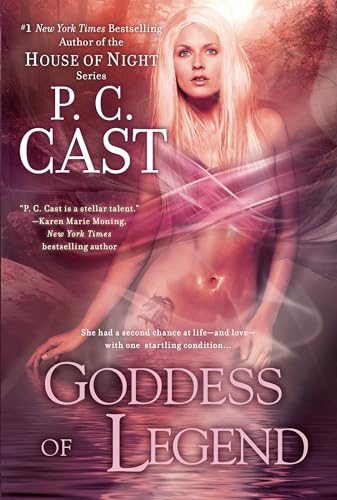
Goddess of Legend is the Arthurian entry, turning toward Camelot, legend, and the reinvention of familiar heroic material through a romantic fantasy lens. Its place as the seventh Goddess Summoning book appears in multiple series listings, even though it is not highlighted on the current author series page in the same way as the six rereleased titles. For readers, the practical point is simple: include it when reading the full original series, but do not worry that it depends heavily on the earlier books.
The series works because Cast treats myth as something intimate. Gods, goddesses, legends, beasts, warriors, and underworld rulers are not presented only as grand symbols; they become forces that push heroines toward confidence, desire, courage, and self-knowledge. The books are openly romantic, sensual, and escapist, but they also reflect Cast’s recurring interest in women discovering sacred or supernatural power within themselves. Goddess Summoning is best approached as a shelf of linked mythic romances: read in publication order for the smoothest sense of Cast’s development, or choose by the myth that most appeals, since each book is designed to offer its own complete transformation.