
Below is the complete list of R.L. Stine’s Fear Street books in order. For this series, the chronological reading order is the same as the order of publication.
Publication Order of Fear Street Books












Publication Order of New Fear Street Books



Publication Order of Fear Street Super Chiller Books




Publication Order of Fear Street Super Chiller: Cheerleaders Books


Publication Order of The Fear Street Saga Trilogy Books


Publication Order of 99 Fear Street: The House of Evil Books


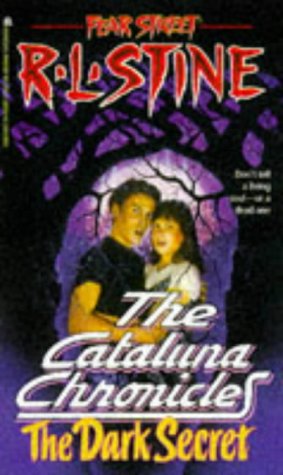
Publication Order of Fear Street: The Cataluna Chronicles Books


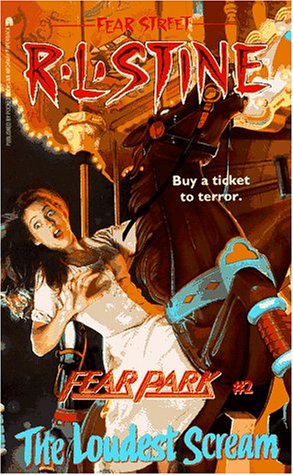
Publication Order of Fear Street: Fear Park Books


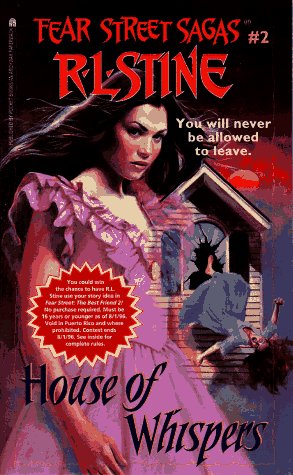
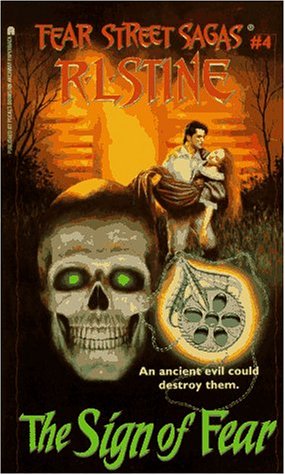
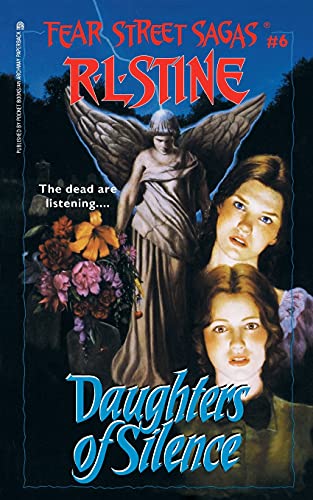
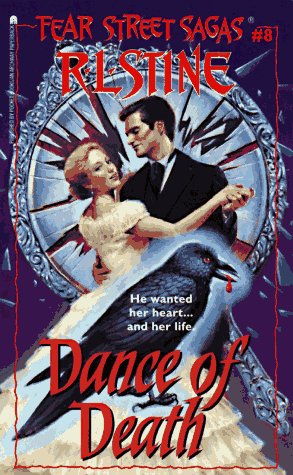
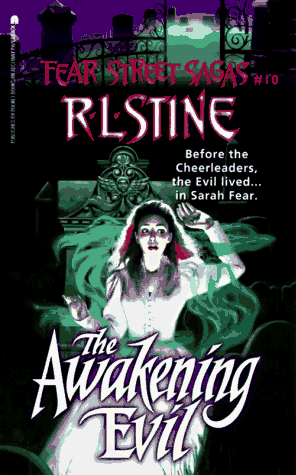
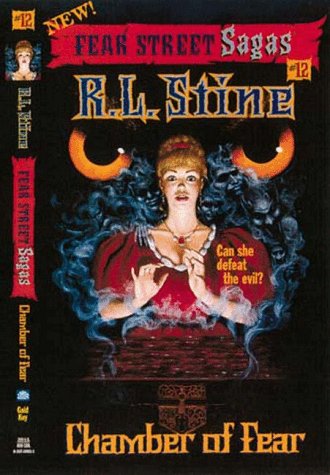
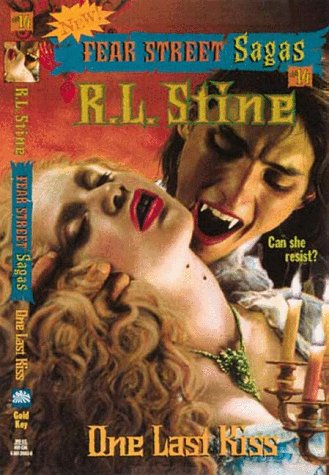
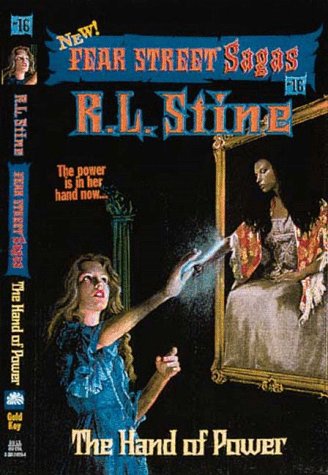
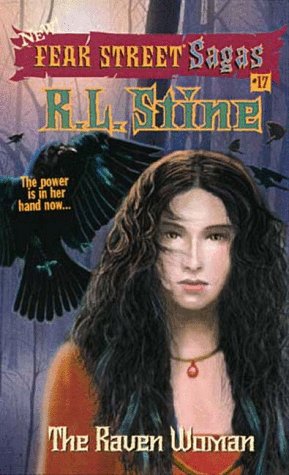
Publication Order of Fear Street Sagas Books








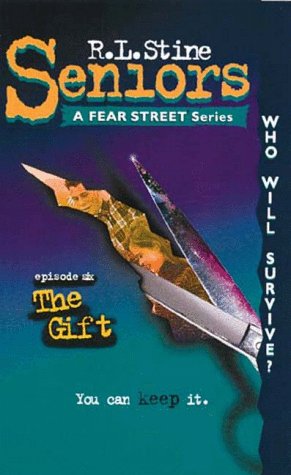
Publication Order of Fear Street Seniors Books




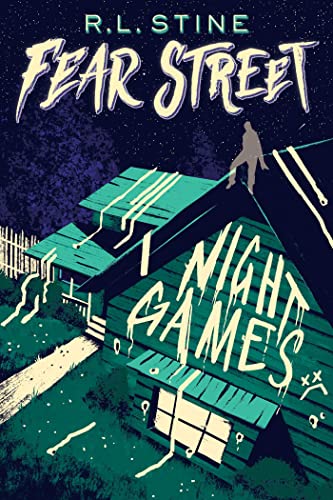
Publication Order of Fear Street Nights Books


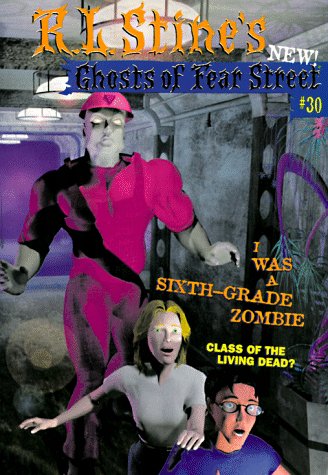
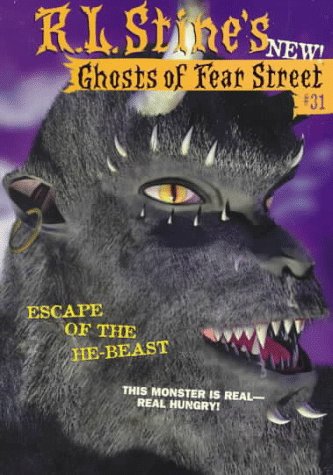
Publication Order of Ghosts Of Fear Street Books


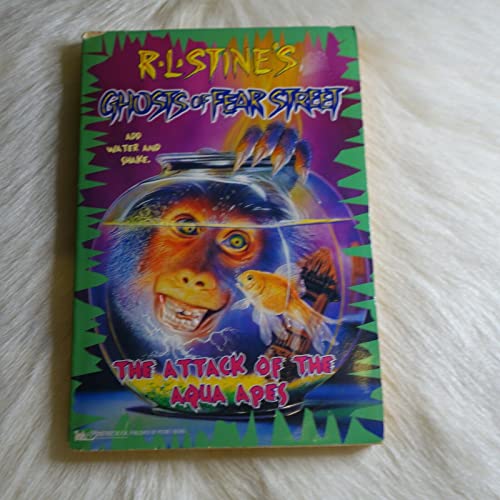
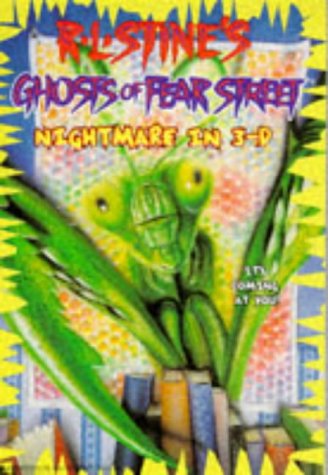
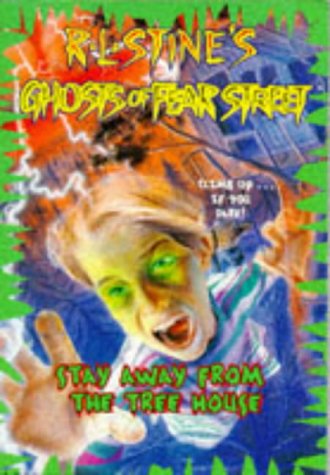

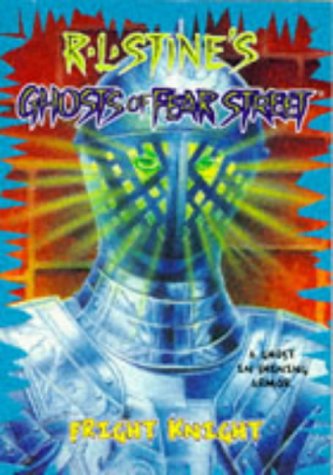







- Why I’m Not Afraid of Ghosts (1997)
Why I’m Not Afraid of Ghosts is a 1997 release and appears as book #23 in the Ghosts Of Fear Street series. 
- Halloween Bugs Me (1997)
Halloween Bugs Me was first published in 1997; within the Ghosts Of Fear Street series, it is listed as book #25. - Go to Your Tomb – Right Now (1997)
Go to Your Tomb – Right Now was published in 1997 and is listed as book #26 in the Ghosts Of Fear Street series. - Parents from the 13th Dimension (1997)
Published in 1997, Parents from the 13th Dimension is listed as book #27 in the Ghosts Of Fear Street series. 



Publication Order of Fear Street: Fear Hall Books

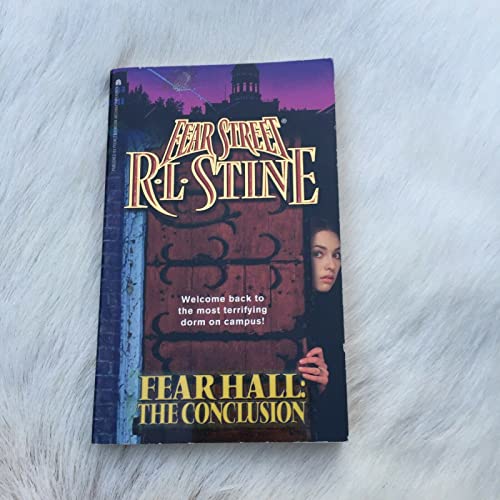
Publication Order of Fear Street (Relaunch) Books


Publication Order of Return To Fear Street Books


About Fear Street
R.L. Stine’s Fear Street series is a sprawling young adult horror universe centered on Shadyside, an apparently ordinary American town with an extraordinary concentration of murder, buried secrets, supernatural violence, and doomed relationships. Launched with The New Girl in 1989, the original numbered sequence eventually reached fifty-one books, but Fear Street grew far beyond that core run through trilogies, historical sagas, special editions, younger-reader offshoots, and later revivals. Unlike Goosebumps, which generally places younger children in fantastic situations, Fear Street was written for teenagers and allows romance, jealousy, betrayal, murder, and death to carry much greater weight.
The original books are largely self-contained, usually following different Shadyside teenagers rather than one permanent hero. A new student, babysitting job, school rivalry, prank, party, or summer trip can become the starting point for a thriller involving stalkers, killers, ghosts, possession, or family secrets. The Wrong Number, for example, turns a reckless telephone prank into danger connected with Fear Street, while other installments move freely between psychological suspense and outright supernatural horror. This loose structure means the main sequence does not operate like a single fifty-one-part story, although recurring locations and the reputation of Fear Street give the books a shared identity.
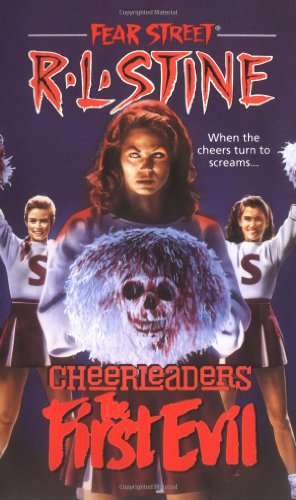
The franchise becomes more continuity-driven in its subseries. The Fear Street Cheerleaders books begin with The First Evil and follow a connected supernatural threat rather than resetting completely with each volume. Fear Street Super Chillers offer longer or specially branded stories, while Fear Street Seniors follows a graduating class through an extended sequence of escalating disasters. Fear Street Nights, launched in 2005, forms another linked trilogy built around Shadyside teenagers whose nighttime freedom becomes increasingly dangerous. These branches are better treated as their own internal sequences rather than inserted randomly among the standalone core novels.
The Fear Street Sagas deepen the mythology by looking backward. Instead of focusing only on contemporary teenagers, these books explore the history surrounding the Fear family and the origins of the curse associated with Fear Street. Titles such as The Betrayal and The Burning belong to this historical branch, where feuds, revenge, inherited evil, and violence across generations explain why Shadyside’s horrors seem to repeat themselves. The Saga material gives the franchise something closer to an ancestral mythology, but it remains a distinct strand within the larger bibliography.
Another source of confusion is Ghosts of Fear Street. This is a younger-reader spin-off with a more overtly fantastical emphasis, positioned closer in age and tone to middle-grade horror than the principal teen books. It belongs to the wider Fear Street brand but should not be mistaken for additional numbered volumes of the original sequence.
Stine revived Fear Street in 2014 with Party Games, beginning a new group of novels that returned to Shadyside for a later generation. A further branch, Return to Fear Street, followed with books including You May Now Kill the Bride, The Wrong Girl, and Drop Dead Gorgeous, deliberately reconnecting modern stories with the older family curse and the franchise’s 1990s identity.
The result is less one linear series than a network of related horror sequences. The original books provide the central Shadyside framework; Cheerleaders, Seniors, Nights, and other subseries create tighter continuing arcs; the Sagas explore historical roots; and later revivals reopen the town from new angles. What remains constant is Stine’s vision of adolescence as a period when ordinary pressures—dating, popularity, friendship, family conflict, school, and the need to belong—can suddenly become matters of survival.