
Below is the complete list of Beverly Lewis books in order. For each series, the chronological reading order is the same as the order of publication.
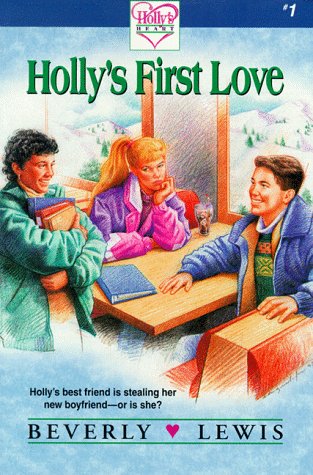
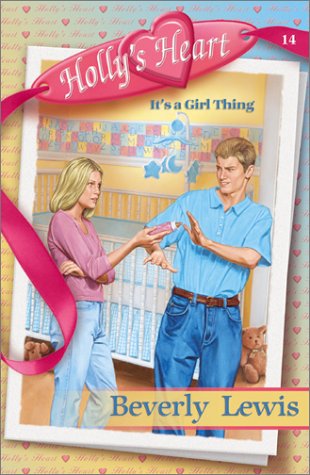
Publication Order of Holly’s Heart Books


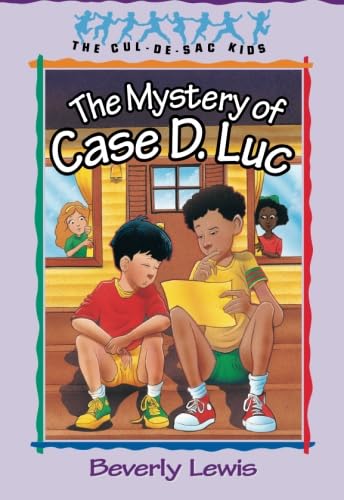
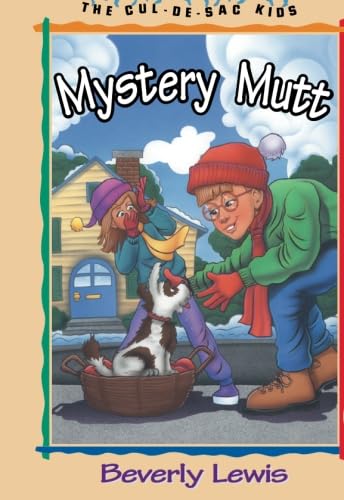
Publication Order of Cul-de-sac Kids Books






Publication Order of Summerhill Secrets Books


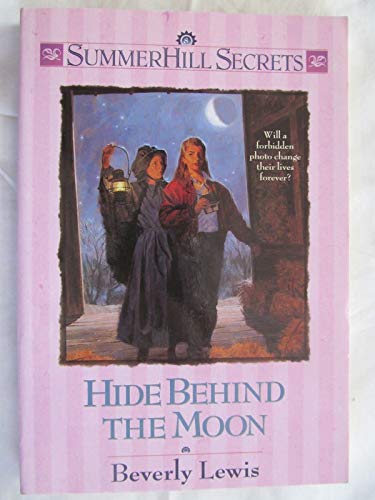

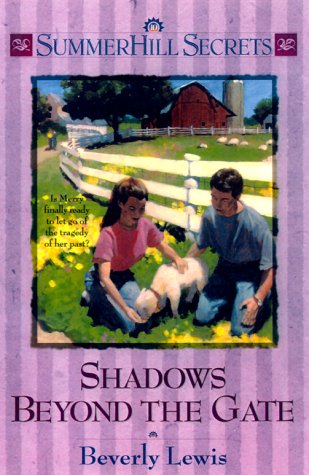
Publication Order of The Heritage of Lancaster County Books


Publication Order of Girls Only Books





Publication Order of Amish Christmas Books

Publication Order of Amish Country Crossroads Books


Publication Order of Abram’s Daughters Books


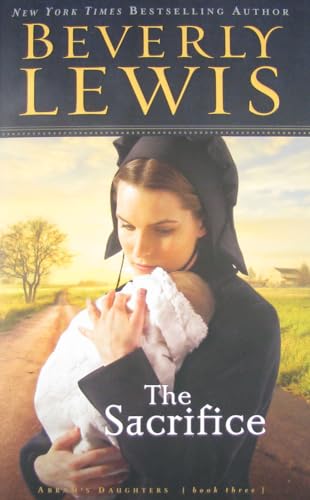


Publication Order of Annie’s People Books
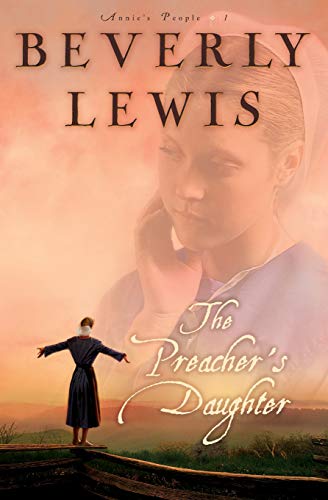


Publication Order of The Courtship of Nellie Fisher Books

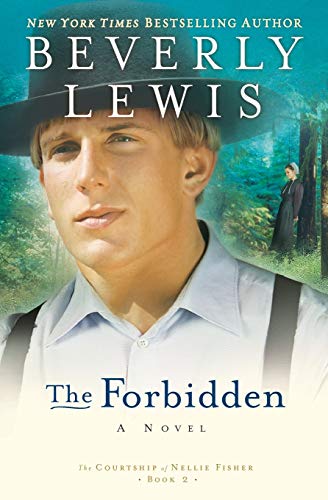

Publication Order of Seasons of Grace Books


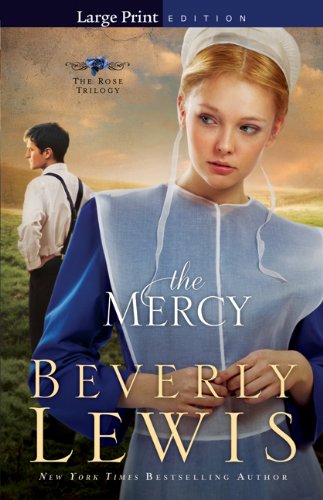
Publication Order of Rose Trilogy Books


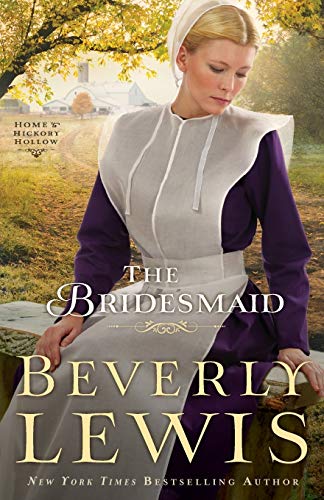
Publication Order of Home To Hickory Hollow Books



Publication Order of Sylvia Miller Books


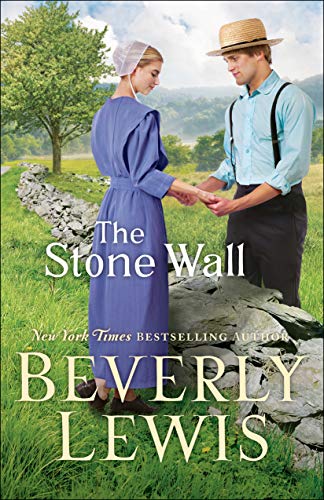
Publication Order of Standalone Books




Publication Order of Childrens Books


Publication Order of Non-Fiction Books


About Beverly Lewis
Beverly Lewis is an American novelist best known for helping establish Amish fiction as a major branch of contemporary Christian publishing. Born in 1949 and raised in Lancaster County, Pennsylvania, she grew up amid the farmland, churches, and Pennsylvania Dutch culture that would later shape much of her fiction. She was not raised Amish; her father was an Assembly of God minister. Her interest in Plain communities came partly through her maternal grandmother, Ada, whose departure from an Old Order Mennonite family became an important influence on Lewis’s understanding of separation, faith, family loyalty, and belonging.
Before becoming widely known for adult novels, Lewis worked as a teacher and developed her abilities as a musician and writer. Her earliest published success came through fiction for younger readers. Best Friend, Worst Enemy began the Holly’s Heart series, a fourteen-book sequence about adolescence, friendship, family, and Christian faith. She later wrote other books for children and teenagers, including the SummerHill Secrets series, establishing a substantial younger-reader bibliography before turning her attention to adult inspirational fiction.
That transition produced her defining work. Published in 1997, The Shunning introduced Katie Lapp, a young Amish woman whose discovery of a family secret unsettles her identity and her expected place within her community. The novel became the opening volume of the Heritage of Lancaster County trilogy and helped popularize Amish-centered Christian fiction with a broad readership. Its sequels, The Confession and The Reckoning, extended Katie’s story through questions of heritage, obedience, forgiveness, and reconciliation. The trilogy was later adapted for television, further strengthening Lewis’s association with the genre.
Lewis subsequently built an extensive body of interconnected trilogies, longer family sagas, and stand-alone novels. Major sequences include Abram’s Daughters, Annie’s People, Seasons of Grace, the Rose Trilogy, and Home to Hickory Hollow. Although many books share the landscapes and cultural concerns of Lancaster County, they do not form one continuous saga. Each named series generally follows its own principal family or community, while stand-alone novels explore separate conflicts within similar Plain settings. Her bibliography is therefore best understood by keeping the individual series together rather than treating every Amish novel as part of a single chronology.
Her fiction often centers on a character caught between personal conviction and communal expectation. Courtship and family relationships are important, but the novels also examine adoption, concealed ancestry, loss, estrangement, artistic ambition, religious disagreement, and the cost of leaving—or returning to—a close-knit community. Lewis frequently contrasts Amish customs with the surrounding modern world without presenting either side as emotionally simple. Characters must decide what faith requires of them when tradition, affection, and conscience appear to point in different directions.
Lewis writes in an accessible, character-driven style shaped by inspirational fiction. Her stories favor emotional clarity, domestic detail, moral choice, and gradual revelations over graphic violence or explicit romance. The rural settings, family networks, and rhythms of church and household life create continuity across her work, while recurring Pennsylvania Dutch terms and customs reinforce the cultural environment. Her Christian perspective remains central, particularly through themes of grace, providence, forgiveness, and spiritual renewal.
With millions of books in print, Lewis became one of the most influential and commercially successful writers associated with Amish fiction. Her career encompasses far more than one landmark trilogy, including children’s series, cookbooks, seasonal stories, and numerous adult novels. Even so, The Shunning remains the pivotal book in her development: the work that transformed a family connection to Plain history into a distinctive fictional world and helped define the direction of her later career.