
Below is the complete list of Thomas Keneally books in order. For each series, the chronological reading order is the same as the order of publication.
Publication Order of Australians Books


Publication Order of Standalone Books




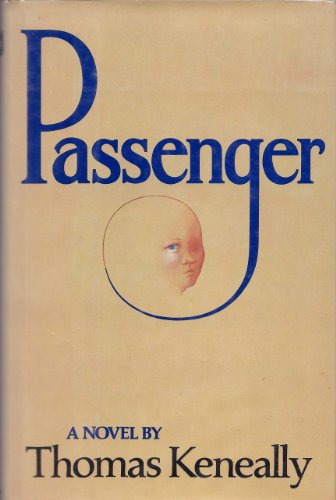


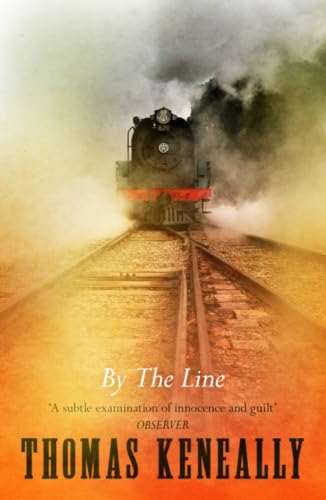


Publication Order of Short Stories/Novellas Books

Publication Order of Children’s Books
as Tom Keneally

Publication Order of Non-Fiction Books


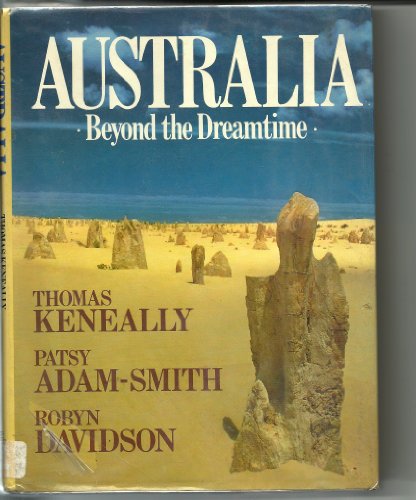
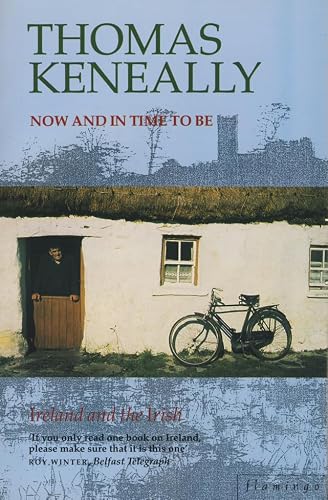


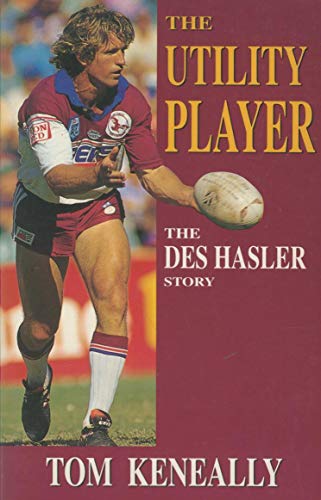


Publication Order of Children’s Books
as Tom Keneally
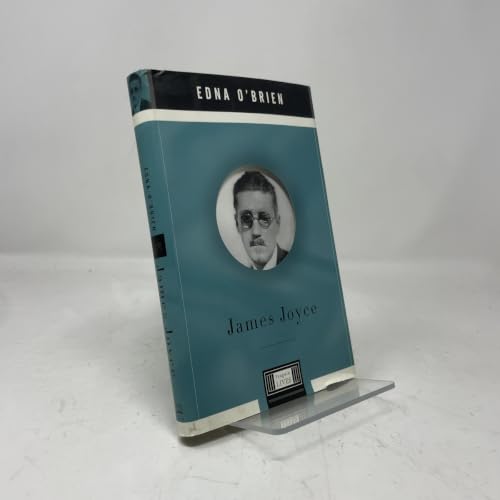
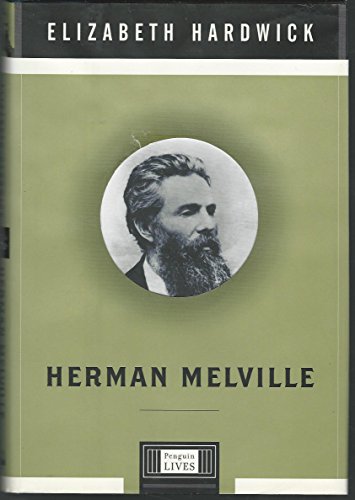
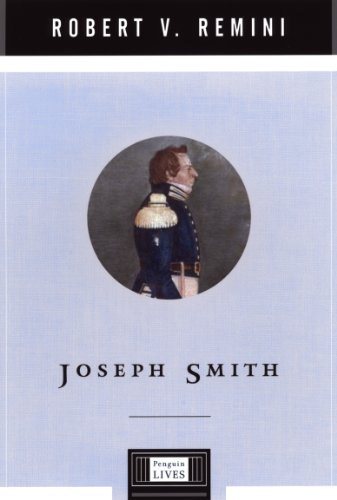
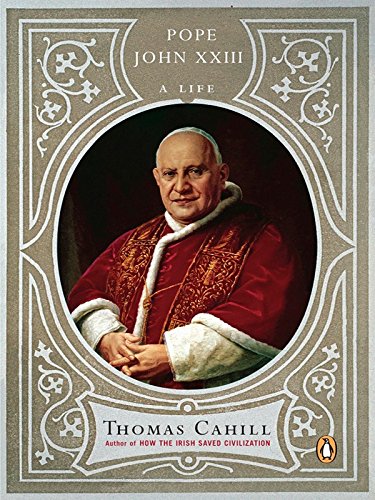
Publication Order of Penguin Lives Books









Publication Order of The Monsarrat Mystery Books
as Tom Keneally,with Meg Keneally


Publication Order of Point In Time Books


About Thomas Keneally
Thomas Keneally is an Australian novelist, historian, playwright, and nonfiction writer whose career spans more than six decades and ranges across Australian history, war, colonialism, religion, political conflict, and the moral choices of people caught inside major historical events. Internationally he is best known for Schindler’s Ark, published in the United States as Schindler’s List, which won the 1982 Booker Prize and later became the basis for Steven Spielberg’s acclaimed film. That single title brought Keneally worldwide recognition, but it represents only one part of an unusually large and varied bibliography.
Born in Sydney in 1935, Keneally grew up in New South Wales in an Irish Catholic family. He entered St Patrick’s Seminary at Manly intending to become a Catholic priest but left before ordination. The experience nevertheless had a lasting influence on his writing, particularly his interest in belief, guilt, institutional authority, conscience, and the difference between religious ideals and human behavior. He subsequently worked as a schoolteacher while developing his career as a writer.
His first novel, The Place at Whitton, appeared in 1964. Keneally quickly became known for historical fiction that approached large events through morally complicated individuals rather than heroic simplification. Australian history provided particularly fertile material. Bring Larks and Heroes examines the brutality and isolation of an early British penal settlement, while The Chant of Jimmie Blacksmith draws inspiration from the life of Aboriginal man Jimmy Governor and confronts racism, colonial violence, and the destructive consequences of exclusion. The latter was shortlisted for the Booker Prize and later adapted into a major Australian film.
Keneally received further Booker nominations for Gossip from the Forest, centered on the negotiations that ended World War I, and Confederates, set during the American Civil War. His ability to move convincingly beyond Australian subjects became increasingly apparent as his fiction ranged through European warfare, American history, Antarctic exploration, Irish political conflict, and the experiences of soldiers and civilians displaced by war.
Schindler’s Ark grew from Keneally’s encounter with Poldek Pfefferberg, a Holocaust survivor who had been saved by German industrialist Oskar Schindler. Drawing on survivor testimony and extensive research, Keneally reconstructed Schindler’s transformation from opportunistic businessman into the protector of more than a thousand Jewish workers. Although written with novelistic techniques, the book is grounded in real people and documented events, occupying a distinctive position between historical novel and narrative nonfiction.
Later works continued Keneally’s fascination with overlooked perspectives. The Daughters of Mars follows Australian nursing sisters serving during World War I, while Napoleon’s Last Island approaches Napoleon Bonaparte’s exile on Saint Helena through the young Betsy Balcombe. His nonfiction includes The Commonwealth of Thieves, an account of the founding of colonial Australia, as well as the multi-volume Australians history.
Keneally has also written the Monsarrat historical mystery series with his daughter Meg Keneally, extending his interest in nineteenth-century colonial Australia into crime fiction. His enormous body of work includes novels, histories, memoir, drama, and collaborative projects rather than one dominant series.
Across that bibliography, Keneally repeatedly returns to people living inside systems of power—empires, armies, prisons, churches, governments, and racial hierarchies. His strongest work asks what individuals do when obedience and conscience point in different directions. That moral curiosity, combined with an exceptional willingness to move across countries and centuries, has made him one of the most enduring figures in modern Australian literature.