
Below is the complete list of Mark Twain books in order. For each series, the chronological reading order is the same as the order of publication.
Publication Order of Autobiography Of Mark Twain Books


Publication Order of Tom Sawyer and Huck Finn Books


Publication Order of Diaries Of Adam and Eve Books


Publication Order of Standalone Books




Publication Order of Short Stories/Novellas Books


- The Stolen White Elephant (2017)
The Stolen White Elephant was first published in 2017; within the Short Stories/Novellas series, it is listed as book #5. 
Publication Order of Short Story Collections Books





- The Man That Corrupted Hadleyburg and Other Stories (1900)
The Man That Corrupted Hadleyburg and Other Stories was first published in 1900; within the Short Story Collections series, it is listed as book #10. 


Publication Order of Collections Books


Publication Order of Non-Fiction Books





- Mark Twain’s Speeches (1910)
Published in 1910, Mark Twain’s Speeches is listed as book #17 in the Non-Fiction series. 
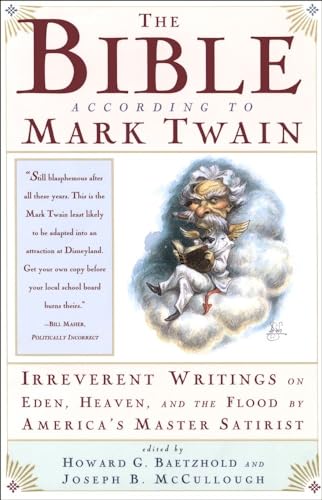


Publication Order of The Year of the Cat Books









Publication Order of Oxford Bookworms: Stage 1 Books


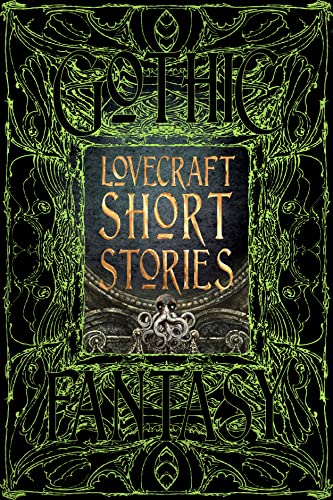
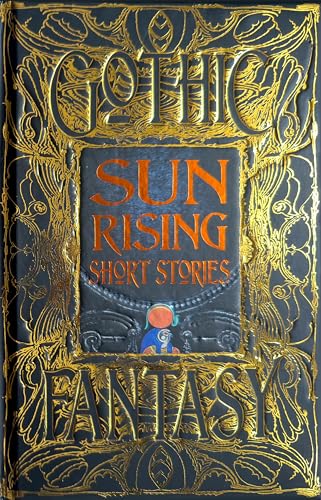
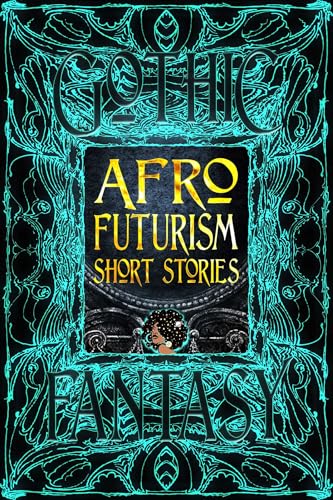
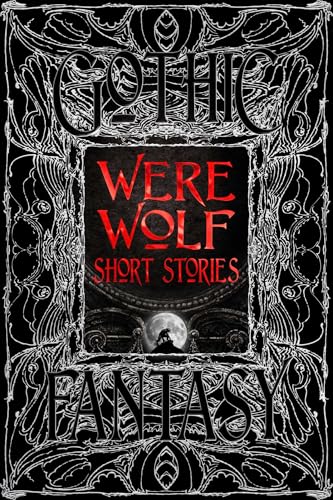
Publication Order of Gothic Fantasy Books


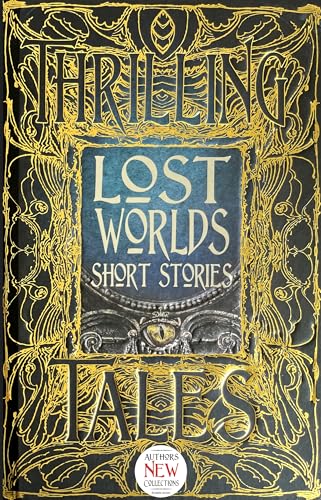


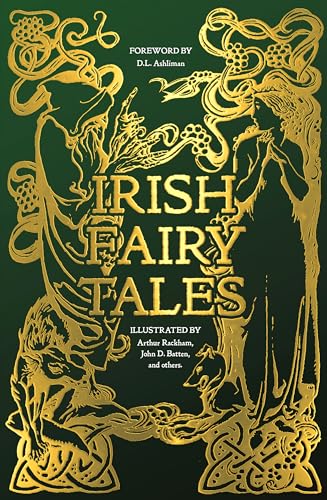


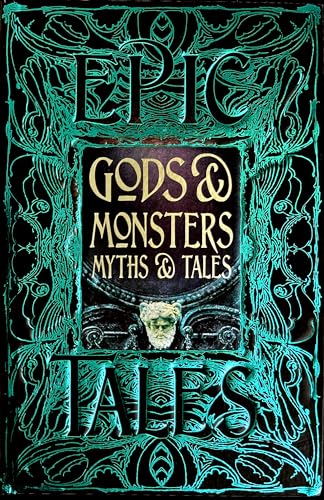


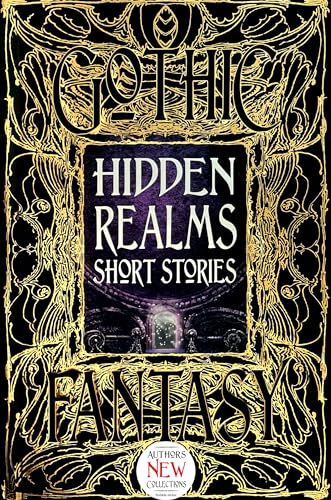


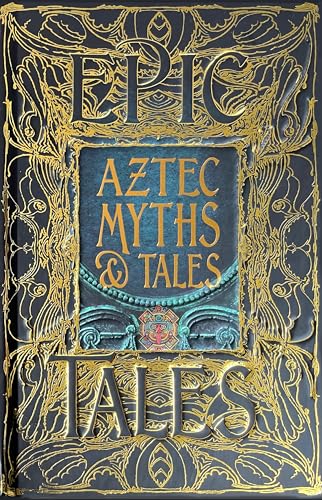


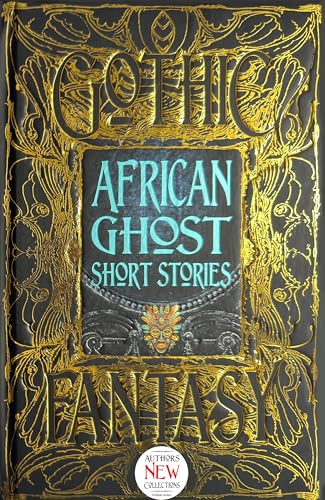






Publication Order of History Highlights Books











Publication Order of Studies in American Realism and Naturalism Books
with Gary Scharnhorst, Denise D. Knight, Catherine J. Golden, Jennifer S. Tuttle, Paul Laurence Dunbar, NathanielWilliams, Monika M. Elbert, Emily J. Orlando, Brady Harrison, Cynthia J. Davis, Lawrence J. Oliver, Charlotte Rich, Judith A. Allen, Melody Graulich, Joanne B. Karpinski, Janice J. Kirkland, Lisa A. Long, Mary M. Moynihan, Jill Annette Bergman, Peter Betjemann, Sari Edelstein, William C. Snyder


About Mark Twain
Mark Twain, the pen name of Samuel Langhorne Clemens, was an American novelist, humorist, journalist, and lecturer whose writing transformed American literature. Best known for The Adventures of Tom Sawyer and Adventures of Huckleberry Finn, he combined sharp social criticism with unforgettable characters, regional dialects, and an irreverent sense of humour. His work captured the contradictions of nineteenth-century America, examining race, class, morality, greed, and human hypocrisy through stories that remain influential long after his death.
Born on November 30, 1835, in Florida, Missouri, Clemens moved with his family to Hannibal, a Mississippi River town, when he was four years old. The riverboats, wooded islands, local characters, and everyday adventures of Hannibal would later provide inspiration for his most celebrated fiction. His childhood also exposed him to slavery, an institution whose cruelty and moral consequences became central to his mature writing.
Following his father’s death in 1847, Clemens left school and began working as a printer’s apprentice. He subsequently worked as a typesetter and travelled through several American cities before pursuing his ambition of becoming a Mississippi River steamboat pilot. He earned his pilot’s licence in 1859, an achievement that required extensive knowledge of the river’s constantly changing channels and hazards.
The outbreak of the American Civil War ended much of the commercial steamboat traffic. After briefly joining a Confederate militia, Clemens travelled west with his brother Orion, who had been appointed secretary of the Nevada Territory. There he worked as a miner and newspaper reporter, developing the storytelling style that would establish his reputation.
He adopted the pen name Mark Twain in 1863 while writing for the Territorial Enterprise in Virginia City, Nevada. The expression, associated with riverboat navigation, referred to a depth of two fathoms, or twelve feet, considered safe for a steamboat.
His literary breakthrough came with the humorous story The Celebrated Jumping Frog of Calaveras County (1865), which attracted national attention. Its success helped launch his career as a professional writer and lecturer, while his travels abroad provided material for The Innocents Abroad (1869), a satirical account of American tourists encountering European and Middle Eastern cultures.
In 1870, Twain married Olivia Langdon, and the couple eventually settled in Hartford, Connecticut. Their household became an important centre of his creative life, although the family would also experience devastating personal losses.
The Adventures of Tom Sawyer (1876) drew heavily upon Twain’s Missouri childhood, portraying boyhood mischief and small-town society with affection and satire. Its companion novel, Adventures of Huckleberry Finn (1884 in Britain and 1885 in the United States), adopted the voice of an unschooled boy travelling down the Mississippi River with Jim, an enslaved man seeking freedom. Through their journey, Twain challenged racial prejudice, conventional morality, and the hypocrisy of supposedly respectable society.
His other major works include The Prince and the Pauper (1881), a historical tale about exchanged identities and social inequality; A Connecticut Yankee in King Arthur’s Court (1889), which satirises monarchy, religion, and romanticised medieval traditions; and Pudd’nhead Wilson (1894), a novel examining racial classification and identity.
Twain’s interests extended beyond literature. Fascinated by technology and entrepreneurship, he invested heavily in an unsuccessful mechanical typesetting machine and his own publishing business. Financial difficulties eventually forced him into bankruptcy, prompting an international lecture tour to repay his creditors.
His later years were marked by the deaths of his wife Olivia and several of his children. These tragedies contributed to the increasingly bitter and philosophical tone of some of his later writings, including works published after his death.
Twain died on April 21, 1910, in Redding, Connecticut, aged seventy-four. Born shortly after the appearance of Halley’s Comet in 1835, he had famously predicted that he would depart with its return in 1910.
Twain’s literary legacy extends beyond his famous novels. His travel narratives, essays, speeches, short stories, and autobiographical writings reveal a versatile observer who used humour to expose contradictions in society. His extensive autobiography, assembled from manuscripts and dictated recollections, received a comprehensive three-volume scholarly edition beginning in 2010.
His influence on American literature is especially evident in his use of everyday speech and regional dialects. Rather than relying on the formal literary conventions of his era, Twain allowed characters to speak in distinctive voices shaped by their backgrounds and circumstances. His combination of humour, realism, and moral criticism helped redefine the possibilities of American fiction.
Across his work, Twain remains a writer of remarkable contrasts: entertaining yet unsettling, sentimental yet fiercely sceptical, and deeply connected to his country’s culture while remaining one of its most perceptive critics.